 by
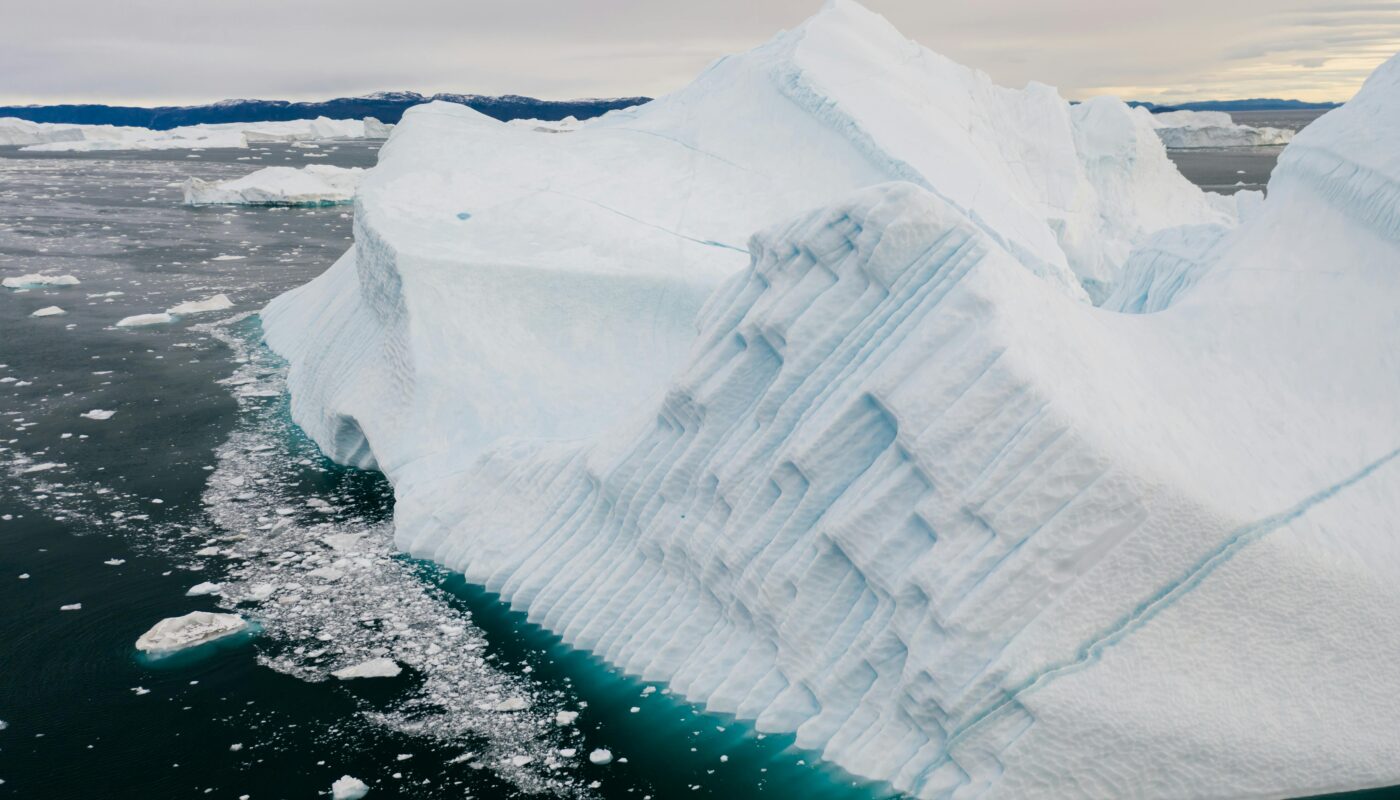
by Across the world’s mountain ranges and polar regions, glaciers are quietly shrinking. What once appeared permanent—vast rivers of ice carved over thousands of years—is now changing within a human lifetime. As global temperatures rise, these frozen reservoirs are steadily releasing water into the oceans. The result is one of the most significant environmental shifts of our time: rising sea levels.
But understanding what happens to sea levels when glaciers melt requires more than a simple cause-and-effect explanation. It involves physics, climate systems, geography, and long-term feedback loops that reshape both natural environments and human societies.
This article explores what glacier melt means for global sea levels, how the process unfolds, and what the future could look like if current trends continue.
The Fundamental Connection: Ice on Land vs. Ice in Water
At first glance, it might seem that all melting ice contributes equally to rising seas. However, there is an important distinction between different types of ice.
Glaciers form on land. When they melt, the water flows downhill into rivers, lakes, and eventually the ocean. This adds new water to the global ocean system.
In contrast, floating ice—such as sea ice—already displaces water. When it melts, it does not significantly change sea level, much like melting ice cubes in a drink.
This difference is crucial. The melting of land-based ice is what drives long-term sea-level rise.
A Key Principle: Thermal Expansion
Melting glaciers are not the only factor affecting sea levels. As oceans warm, water expands—a process known as thermal expansion.
ΔV=βV0ΔT
This relationship shows how a change in temperature (ΔT) causes a change in volume (ΔV), even without adding extra water. In other words, warming oceans occupy more space.
When combined with glacier melt, this creates a two-part effect:
- More water enters the ocean
- Existing water expands
Together, these processes accelerate sea-level rise.
How Fast Are Sea Levels Rising?
Sea levels are not rising at a constant pace—they are increasing more quickly over time.
In the early 20th century, sea levels rose relatively slowly. However, in recent decades, the rate has accelerated significantly due to increased global temperatures and faster ice loss.
Today, scientists measure sea-level rise using satellite data and tide gauges, revealing:
- A steady upward trend
- Increasing annual rates
- Regional differences across the globe
The acceleration itself is one of the most concerning aspects, as it suggests that the problem is intensifying rather than stabilizing.
What Happens If Glaciers Continue to Melt?
If current trends persist, the effects of rising sea levels will unfold gradually but persistently. These changes are already visible in many parts of the world.
1. More Frequent Coastal Flooding
As sea levels rise, the baseline height of the ocean increases. This means that events that once caused minor flooding can now lead to significant damage.
High tides begin to:
- Reach further inland
- Occur more frequently
- Affect areas previously considered safe
In many coastal cities, so-called “sunny day flooding” is becoming more common—flooding that occurs even without storms.
2. Intensified Storm Impact
Storms become more dangerous when they occur on top of higher sea levels.
Storm surges—the sudden rise of water caused by strong winds—can travel farther inland when the ocean is already elevated. This leads to:
- Greater property damage
- Increased risk to human life
- Longer recovery times for affected communities
Even if storm frequency remains the same, their impact becomes more severe.
3. Gradual Loss of Coastlines
Coastlines are dynamic, constantly shaped by waves and currents. Rising sea levels accelerate these natural processes.
Over time:
- Beaches shrink or disappear
- Cliffs erode more quickly
- Coastal habitats are lost
This is not always dramatic or sudden. In many places, the change is subtle but relentless—a few centimeters each year that add up over decades.
4. Disruption of Ecosystems
Many ecosystems depend on stable coastal conditions. As sea levels rise, these environments are forced to adapt—or disappear.
Examples include:
- Wetlands that become permanently submerged
- Mangroves that struggle to keep pace with rising water
- Coral reefs affected by both warming and depth changes
The loss of these ecosystems has ripple effects, impacting biodiversity and reducing natural protection against storms.
5. Saltwater Intrusion
As seawater pushes inland, it can infiltrate freshwater systems.
This affects:
- Underground aquifers used for drinking water
- Agricultural land, reducing crop productivity
- River systems near coastlines
Saltwater intrusion is particularly problematic for low-lying regions and island nations, where freshwater resources are limited.
Long-Term Potential: How High Could Sea Levels Rise?
The total amount of water stored in glaciers and ice sheets is enormous. If all land-based ice were to melt—a scenario that would take many centuries—global sea levels could rise dramatically.
While such extreme outcomes are not immediate, even smaller increases can have significant consequences. A rise of just one meter can:
- Displace millions of people
- Flood major cities
- Alter entire coastlines
The key issue is not only the total rise, but how quickly it happens. Faster changes leave less time for adaptation.
Feedback Mechanisms That Accelerate Melting
The melting of glaciers is not a simple, linear process. It is influenced by feedback loops that can speed up the rate of change.
Reduced Reflectivity (Albedo Effect)
Ice reflects sunlight, helping to keep temperatures lower. When glaciers melt, darker surfaces like rock or water absorb more heat, increasing warming and accelerating further melting.
Changing Ocean Circulation
Freshwater from melting glaciers can alter ocean currents, which play a crucial role in regulating global climate. These changes can influence weather patterns and further impact ice stability.
Structural Weakening of Ice
As glaciers thin and retreat, they become more vulnerable to breaking apart. This can lead to sudden increases in ice loss.
Uneven Impact Around the World
Sea-level rise does not affect all regions equally. Several factors influence how different areas experience change:
- Ocean currents can concentrate water in certain regions
- Land movement (uplift or sinking) alters local sea levels
- Geographic features determine vulnerability
For example, some coastal areas may experience faster-than-average sea-level rise, while others may see slower changes.
Human Consequences
The effects of rising sea levels extend beyond the environment—they directly impact human life.
Population Displacement
Millions of people live in low-lying coastal regions. As sea levels rise, relocation may become necessary in some areas.
This creates challenges such as:
- Housing shortages
- Economic strain
- Social and political tensions
Economic Costs
Coastal infrastructure—including ports, roads, and buildings—is highly vulnerable.
Rising sea levels can lead to:
- Increased maintenance costs
- Damage from repeated flooding
- Loss of valuable land
The financial impact is expected to grow significantly over time.
Food and Water Security
Flooding and saltwater intrusion can reduce agricultural productivity, affecting food supply. At the same time, freshwater contamination can limit access to safe drinking water.
Can We Slow the Process?
While some sea-level rise is already unavoidable, the extent of future change depends on global actions.
Reducing greenhouse gas emissions can:
- Slow temperature increases
- Reduce the rate of glacier melt
- Limit long-term sea-level rise
Adaptation strategies—such as building coastal defenses, restoring natural barriers, and improving urban planning—can help manage the impact.
Final Thoughts
The continued melting of glaciers represents one of the clearest signals of a changing climate. As ice transforms into water, it reshapes coastlines, ecosystems, and human societies in ways that are both gradual and profound.
Sea-level rise is not a single event but an ongoing process—one that unfolds over decades and centuries. Its effects are already visible, and its future trajectory depends largely on how humanity responds.
Understanding what happens when glaciers melt is not just about science. It is about recognizing the interconnected nature of Earth’s systems—and the role we play in shaping their future.