 by
by Glaciers are often viewed as frozen symbols of wilderness — vast rivers of ice sitting silently in remote mountains and polar landscapes. To many people, glaciers appear distant from daily life, existing mainly as scenic attractions or scientific curiosities. Yet glaciers play an essential role in the global water cycle, and their connection to drought is far more important than many realize.
Across the world, glaciers act as natural freshwater reservoirs. They store water during colder seasons and release it gradually during warmer months through melting. This slow release supports rivers, agriculture, ecosystems, hydropower systems, and drinking water supplies for millions of people. In many regions, glacier meltwater becomes especially important during dry seasons when rainfall is limited.
As climate change accelerates glacier retreat worldwide, scientists are increasingly concerned about the long-term relationship between shrinking glaciers and worsening drought conditions. While glaciers may temporarily increase river flow as they melt more rapidly, this effect does not last forever. Eventually, as glaciers lose mass and become smaller, the amount of water they can provide begins to decline.
This creates a dangerous cycle. Areas historically dependent on glacier-fed water may experience more severe water shortages, increased agricultural stress, ecosystem disruption, and heightened drought vulnerability.
Understanding the connection between glaciers and drought is becoming increasingly important as global temperatures rise and freshwater security grows more uncertain.
What Exactly Is a Glacier?
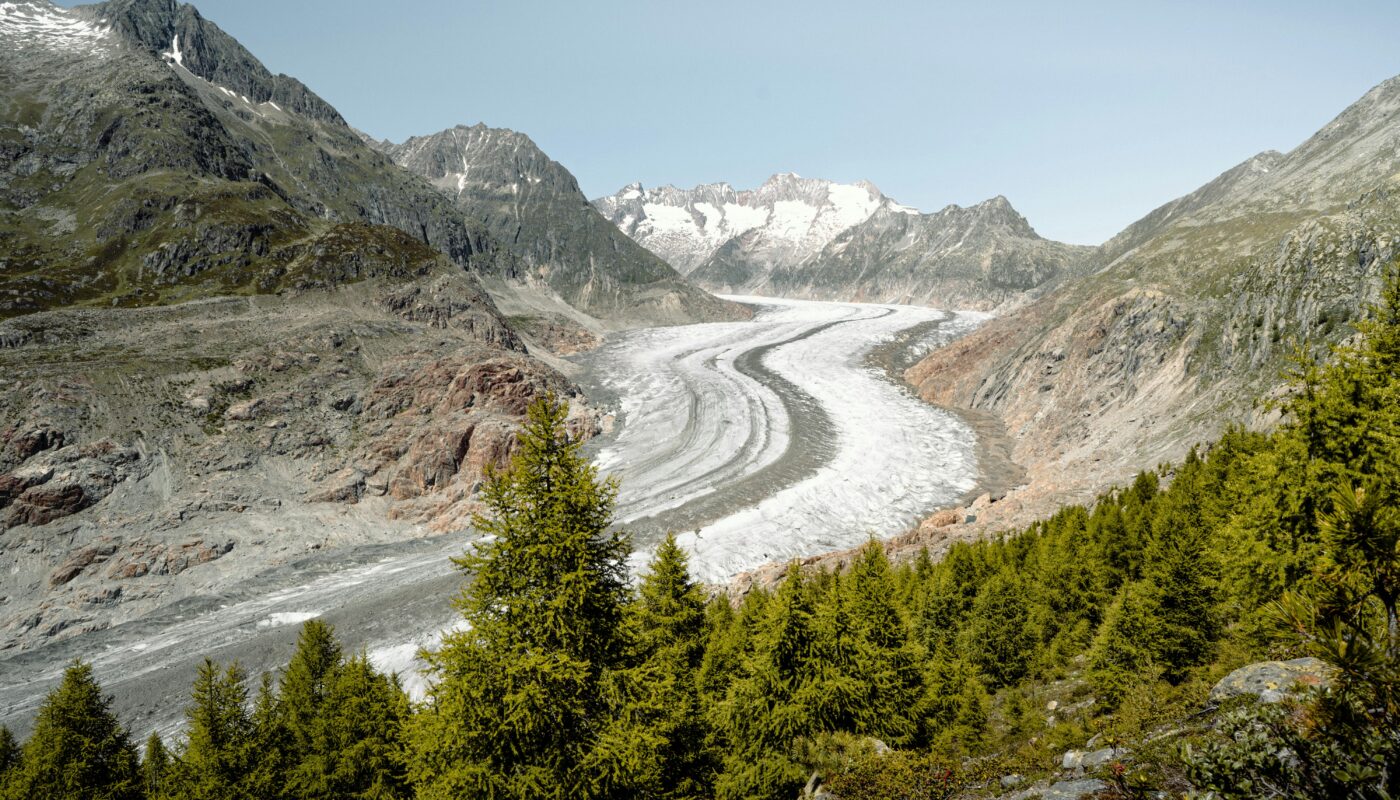
A glacier is a massive, slowly moving mass of ice that was created over many years by compacting snow.
Glaciers develop when snowfall accumulates faster than melting occurs. Over time, layers of snow compress into dense ice that gradually flows under its own weight.
Glaciers are found in:
- Mountain ranges
- Polar regions
- High-altitude environments
- Ice caps and ice sheets
Although glaciers appear frozen and stable, they are dynamic systems constantly gaining and losing ice depending on climate conditions.
Why Glaciers Matter for Freshwater
One of the most important functions of glaciers is freshwater storage.
Glaciers contain a significant portion of Earth’s freshwater reserves. Unlike rainfall, which flows quickly through landscapes, glaciers release water gradually over long periods.
This slow release is critically important because it stabilizes river systems.
During hot or dry months, glacier meltwater helps maintain:
- River flow
- Drinking water supplies
- Irrigation systems
- Hydropower production
- Wetland ecosystems
In many mountain regions, glaciers act like natural water towers.
The Seasonal Importance of Glacier Melt
The timing of glacier melt is extremely important.
In many regions, rainfall and snowmelt vary significantly by season. During dry periods, rivers may rely heavily on glacier meltwater to maintain flow.
This is especially true in:
- The Himalayas
- The Andes
- The Alps
- Parts of North America
- Central Asian mountain regions
For communities downstream, glacier melt can provide essential water precisely when rainfall is scarce.
Without glaciers, some rivers would experience much lower summer flow.
How Glaciers Help Prevent Drought
Glaciers help reduce drought risk in several important ways.
1. Stabilizing River Flow
Glacier meltwater keeps rivers flowing during dry seasons and periods of low precipitation.
This supports agriculture, drinking water systems, and ecosystems even when rainfall is limited.
2. Supporting Agriculture
Farmers in glacier-fed regions often depend on predictable seasonal meltwater for irrigation.
Crops may survive dry conditions because glaciers continue releasing water gradually.
3. Maintaining Ecosystems
Wetlands, forests, fish populations, and wildlife habitats often depend on glacier-fed rivers during dry months.
4. Supporting Hydropower
Many hydroelectric systems rely on stable river flow supported partly by glacier melt.
Without glaciers, energy production may become less reliable during drought periods.
The “Peak Water” Problem
One of the most important scientific concepts connecting glaciers and drought is called “peak water.”
As glaciers warm and melt faster, they initially release more water into rivers.
At first, this may seem beneficial because river flow temporarily increases.
However, this increase is temporary.
Eventually, glaciers become smaller and lose enough mass that meltwater begins declining.
This turning point is known as peak water.
After peak water is reached:
- Rivers receive less glacier melt
- Dry-season flow decreases
- Water shortages become more severe
- Drought vulnerability increases
Many glacier-fed river systems may already be approaching or passing this threshold.
Climate Change and Accelerated Glacier Loss
Global warming is the main driver of glacier retreat worldwide.
Rising temperatures cause glaciers to lose more ice through melting than they gain through snowfall.
Glacier shrinking has been noted by scientists in almost every significant mountainous area.
This includes:
- The European Alps
- Himalayan glaciers
- Andean glaciers
- Alaskan glaciers
- Arctic ice systems
As glaciers retreat, their long-term ability to support freshwater systems declines.
The Himalayas and Water Security
The Himalayan region provides one of the clearest examples of the glacier-drought connection.
Often called the “Third Pole,” the Himalayas contain enormous amounts of ice that feed major rivers such as:
- The Ganges
- The Indus
- The Brahmaputra
- The Yangtze
- The Mekong
Hundreds of millions of people rely directly or indirectly on these water systems.
If Himalayan glaciers continue shrinking rapidly, dry-season water availability may become increasingly unstable in parts of Asia.
This could affect:
- Agriculture
- Drinking water
- Food security
- Hydropower
- Regional economies
The Andes and Glacier-Dependent Cities
In South America, many Andean communities rely heavily on glacier-fed water systems.
Cities in countries such as:
- Peru
- Bolivia
- Chile
depend on mountain meltwater for urban water supplies and agriculture.
Some tropical glaciers in the Andes are shrinking extremely quickly.
As these glaciers disappear, water shortages during dry seasons may worsen dramatically.
Certain communities are already adapting to reduced glacier flow.
Glacier Retreat Can Initially Mask Drought Risk
One of the more complex aspects of glacier loss is that increased melting may temporarily hide future water problems.
When glaciers melt rapidly, rivers may experience unusually high flow for several decades.
This can create the false impression that water supplies remain stable.
However, this extra water comes from glacier loss itself.
Once glaciers shrink substantially, river flow often begins declining sharply.
In this way, glacier retreat may delay recognition of long-term drought risk until water shortages become severe.
Drought Is More Than Lack of Rain
Many people assume drought is caused only by reduced rainfall.
In reality, drought is influenced by multiple factors including:
- Temperature
- Soil moisture
- River flow
- Snowpack
- Groundwater availability
- Glacier melt
In glacier-fed regions, shrinking glaciers reduce the reliability of water systems even if rainfall patterns remain unchanged.
This means glacier loss can intensify drought conditions independently of precipitation changes.
Ecosystems Also Depend on Glacier Water
The glacier-drought connection affects not only humans but also ecosystems.
Cold glacier-fed rivers support unique species adapted to stable flow and cool temperatures.
As glacier melt declines:
- Rivers may warm
- Water levels may drop
- Fish habitats may shrink
- Wetlands may dry out
- Biodiversity may decline
Mountain ecosystems are often especially vulnerable because species have limited ability to relocate.
Hydropower and Energy Concerns
Many countries depend on hydropower generated from glacier-fed river systems.
Reduced meltwater may create energy instability during dry periods.
This is particularly important in mountainous countries where hydropower supplies large portions of electricity demand.
Lower river flow may reduce:
- Power generation capacity
- Energy reliability
- Reservoir stability
Climate-related drought combined with glacier loss may increase energy vulnerability in some regions.
Groundwater and Glaciers
Glacier-fed rivers also influence groundwater systems.
In some regions, meltwater slowly infiltrates underground aquifers that later provide freshwater during dry periods.
Reduced glacier melt may therefore affect both:
- Surface water
- Underground water reserves
This can create long-term water stress extending beyond visible river systems.
Agriculture Faces Growing Pressure
Farmers are among the most vulnerable groups affected by glacier-related drought risks.
Agricultural systems depending on glacier melt may experience:
- Unpredictable irrigation supplies
- Reduced crop yields
- Increased water competition
- Higher food production costs
In some regions, glacier retreat may force major agricultural adaptation.
Possible responses include:
- Water conservation systems
- Crop changes
- Reservoir construction
- Irrigation efficiency improvements
Can Reservoirs Replace Glaciers?
Human-made reservoirs can help store water, but they do not perfectly replace glaciers.
Glaciers provide gradual, naturally regulated meltwater release over long periods.
Reservoirs face challenges such as:
- Evaporation
- Sedimentation
- Infrastructure costs
- Ecological impacts
In many mountain regions, replacing glacier functions completely through engineering would be extremely difficult.
Extreme Weather and Glacier Loss
Climate change may intensify both droughts and floods simultaneously.
At first, rapid glacier melt may increase flood risk.
Later, as glaciers shrink, drought conditions may worsen due to declining water availability.
This creates highly unstable water systems.
Communities may face:
- Flooding during intense melt periods
- Severe drought during later decades
Managing these transitions becomes increasingly complex.
Indigenous and Local Communities
Many Indigenous and mountain communities have deep cultural relationships with glaciers.
Glacier loss therefore creates not only environmental and economic impacts but also emotional and spiritual consequences.
Communities may lose:
- Traditional water systems
- Sacred landscapes
- Cultural identity connected to ice and mountains
The emotional impact of disappearing glaciers is often profound.
Scientific Monitoring of Glacier Water
Scientists use several methods to study glacier-related drought risk.
These include:
- Satellite monitoring
- River flow measurements
- Climate models
- Ice mass analysis
- Snowpack monitoring
Improved forecasting helps governments and communities prepare for future water challenges.
However, uncertainty remains because climate systems are highly complex.
Adaptation Strategies
Regions dependent on glacier melt are increasingly exploring adaptation strategies.
Possible solutions include:
- Improved water conservation
- Efficient irrigation systems
- Reservoir management
- Rainwater harvesting
- Drought-resistant crops
- Better climate forecasting
While adaptation can reduce risk, it may not fully offset major glacier loss.
Why This Issue Matters Globally
Even people living far from glaciers are affected indirectly by glacier-related drought risks.
Glacier loss may influence:
- Global food systems
- Energy markets
- Migration patterns
- Economic stability
- Ecosystem health
Water security is deeply interconnected across regions and economies.
Final Thoughts
The relationship between glaciers and drought is one of the most important yet often overlooked environmental connections in the modern world.
Glaciers function as natural freshwater reservoirs that stabilize river systems, support agriculture, sustain ecosystems, and reduce drought vulnerability in countless regions. As climate change accelerates glacier retreat, these essential water-storage systems are becoming increasingly unstable.
At first, increased glacier melting may temporarily boost river flow, creating the illusion of abundance. But over time, shrinking glaciers lose their ability to provide reliable meltwater. Once glaciers become too small, drought risk rises sharply, especially during dry seasons when glacier-fed rivers are needed most.
The consequences extend far beyond remote mountain landscapes. Food security, drinking water supplies, energy production, ecosystems, and entire communities may be affected by declining glacier water in the coming decades.
Understanding the link between glaciers and drought reveals a broader truth about climate change itself: environmental systems are deeply interconnected. The loss of ice in distant mountains does not remain isolated there. It reshapes rivers, economies, ecosystems, and human lives far downstream.
Protecting glaciers ultimately means protecting freshwater stability for future generations.