 by
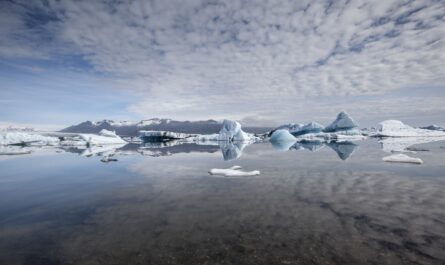
by Among the most spectacular sights in the natural world is the moment when a massive wall of ice meets the sea. Towering blue cliffs rise above dark waters, cracks echo through the air, and enormous chunks of ice break away and crash into the ocean with tremendous force. These remarkable formations are known as tidewater glaciers, and they represent one of the most dynamic and fascinating environments on Earth.
Unlike glaciers that end on land, tidewater glaciers flow directly into the ocean. They exist at the intersection of ice, water, climate, and geology, creating landscapes that are constantly changing. These glaciers not only shape coastlines and ecosystems but also provide scientists with valuable clues about climate change, sea-level rise, and Earth’s frozen regions.
From the rugged fjords of Alaska to the icy shores of Greenland and the dramatic landscapes of Norway, tidewater glaciers attract travelers, photographers, researchers, and nature enthusiasts from around the world.
But what exactly is a tidewater glacier, how does it form, and why is it so important? Understanding these extraordinary rivers of ice reveals a fascinating story of movement, transformation, and the ongoing interaction between land and sea.
Defining a Tidewater Glacier
A tidewater glacier is a glacier that flows from land directly into the ocean, sea, or a tidal fjord. The glacier’s terminus, or end point, extends into saltwater where it interacts with tides, currents, and ocean temperatures.
Unlike mountain glaciers that stop on dry land, tidewater glaciers terminate in marine environments.
Key characteristics include:
- Direct contact with seawater
- Ice cliffs at the glacier front
- Frequent iceberg production
- Dynamic interactions with tides
- Rapid changes in glacier position
The name “tidewater” comes from the fact that these glaciers reach waters influenced by ocean tides.
How Tidewater Glaciers Form
The formation of a tidewater glacier begins much like any other glacier.
Step 1: Snow Accumulation
Over many years, snow accumulates in high-altitude or polar regions. When snowfall exceeds melting, layers of snow gradually compress into dense ice.
Step 2: Glacier Growth
As ice thickens, gravity causes it to slowly flow downhill. Although glaciers appear stationary, they are constantly moving.
Some glaciers advance only a few centimeters per day, while others move several meters daily.
Step 3: Reaching the Coast
When a glacier extends far enough to reach the coastline or a fjord connected to the sea, it becomes a tidewater glacier.
At this point, ocean conditions begin influencing the glacier’s behavior.
The result is a highly active environment where ice and seawater interact continuously.
The Unique Environment Where Ice Meets the Ocean
One reason tidewater glaciers are so fascinating is that they exist at the boundary between two vastly different worlds.
On one side lies:
- Frozen ice
- Mountain terrain
- Snowfields
- Glacial valleys
On the other side lies:
- Saltwater
- Ocean currents
- Marine ecosystems
- Tidal forces
This meeting point creates a constantly changing landscape shaped by multiple natural processes.
Unlike inland glaciers, tidewater glaciers are affected not only by weather and temperature but also by ocean conditions.
What Is Glacier Calving?
One of the most dramatic features of tidewater glaciers is a process known as calving.
Calving occurs when large pieces of ice break away from the glacier front and fall into the water.
This process creates icebergs.
The event often begins with:
- Cracking sounds
- Visible fractures
- Sudden collapse
- Massive splashes
Some calving events involve small pieces of ice, while others release icebergs the size of buildings.
Calving is a natural part of a tidewater glacier’s life cycle.
In many cases, glaciers lose more ice through calving than through surface melting.
Why Icebergs Are Blue
Visitors often notice that freshly calved icebergs display stunning shades of blue.
This color occurs because glacier ice is extremely dense.
Over time, compression removes air bubbles trapped within the snow.
Dense ice absorbs most colors of visible light while reflecting blue wavelengths.
The result is the vivid blue appearance often associated with tidewater glaciers.
The older and denser the ice, the more intense the blue coloration can become.
Famous Tidewater Glaciers Around the World
Some of the world’s most famous glaciers are tidewater glaciers.
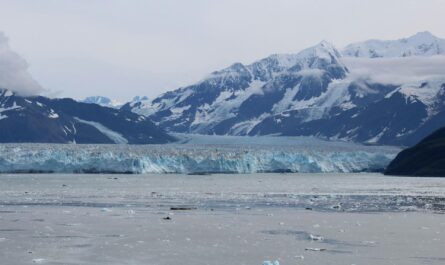
Hubbard Glacier, Alaska


6
The Hubbard Glacier is one of North America’s largest tidewater glaciers.
It is particularly notable because it has experienced periods of advancement rather than retreat.
Both researchers and tourist ships are drawn to its enormous ice face.
Columbia Glacier, Alaska
The Columbia Glacier is famous for its rapid retreat.
Scientists have closely monitored this glacier because it demonstrates how quickly tidewater glaciers can respond to environmental changes.
Jakobshavn Glacier, Greenland


6
The Jakobshavn Glacier is one of the fastest-moving glaciers on Earth.
It produces enormous icebergs and contributes significantly to Greenland’s ice loss.
Briksdalsbreen, Norway
Part of the larger Jostedalsbreen system, this glacier illustrates how Norway’s glacier landscapes connect mountainous terrain with fjord environments.
Why Tidewater Glaciers Behave Differently
Tidewater glaciers are influenced by factors that do not affect most land-terminating glaciers.
These include:
Ocean Temperatures
Warm seawater can melt glacier fronts from below.
Even small temperature increases may significantly accelerate ice loss.
Tides
Rising and falling tides place stress on glacier fronts.
Repeated tidal movements contribute to cracking and calving.
Water Depth
The depth of water beneath a glacier strongly affects its stability.
Glaciers resting in deep water often experience faster retreat than those grounded in shallow areas.
Ocean Currents
Currents transport heat and influence how quickly ice melts.
Changes in ocean circulation can alter glacier behavior over time.
The Tidewater Glacier Cycle
Interestingly, tidewater glaciers often follow a natural cycle of advance and retreat.
Scientists refer to this as the tidewater glacier cycle.
A glacier may:
- Advance slowly for centuries.
- Reach a stable position.
- Begin rapid retreat.
- Retreat for decades.
- Stabilize again.
This cycle occurs partly because the glacier’s position relative to underwater topography influences its stability.
Understanding these cycles helps researchers distinguish between natural fluctuations and changes driven by climate warming.
The Connection Between Tidewater Glaciers and Fjords
Many tidewater glaciers occupy fjords.
A fjord is a deep, narrow inlet carved by glaciers and later flooded by seawater.
The relationship is closely connected:
- Glaciers create fjords.
- Fjords provide pathways to the sea.
- Tidewater glaciers continue shaping fjords.
Some of the world’s most famous fjord landscapes feature active tidewater glaciers at their heads.
This creates dramatic scenery where mountains, water, and ice converge.
Wildlife Around Tidewater Glaciers
Tidewater glaciers support surprisingly rich ecosystems.
Nutrient-rich waters near glacier fronts attract diverse marine life.
Common species include:
- Seals
- Sea lions
- Whales
- Seabirds
- Fish
Many animals benefit from nutrient mixing caused by glacier meltwater entering the ocean.
Whales are often observed feeding near glacier fronts because these areas can concentrate prey.
The interaction between glaciers and marine ecosystems highlights the broader ecological importance of these environments.
How Scientists Study Tidewater Glaciers
Researchers use a variety of tools to understand glacier behavior.
Methods include:
- Satellite imagery
- Drone surveys
- GPS measurements
- Radar mapping
- Ocean temperature monitoring
- Underwater sonar systems
These technologies allow scientists to track glacier movement, melting rates, and iceberg production.
Because tidewater glaciers respond quickly to environmental changes, they serve as important indicators of broader climate trends.
Tidewater Glaciers and Climate Change
Climate change has become one of the most significant factors affecting many tidewater glaciers.
Rising air temperatures increase surface melting.
At the same time, warmer oceans can accelerate melting beneath glacier fronts.
Consequences include:
- Faster retreat
- Increased iceberg production
- Greater freshwater input into oceans
- Changes in coastal ecosystems
Some tidewater glaciers are shrinking rapidly, while others remain relatively stable.
The response varies depending on local geography, ocean conditions, and glacier characteristics.
Contributions to Sea-Level Rise
Tidewater glaciers play a significant role in global sea-level rise.
When glacier ice that originated on land enters the ocean and melts, it adds new water to the marine system.
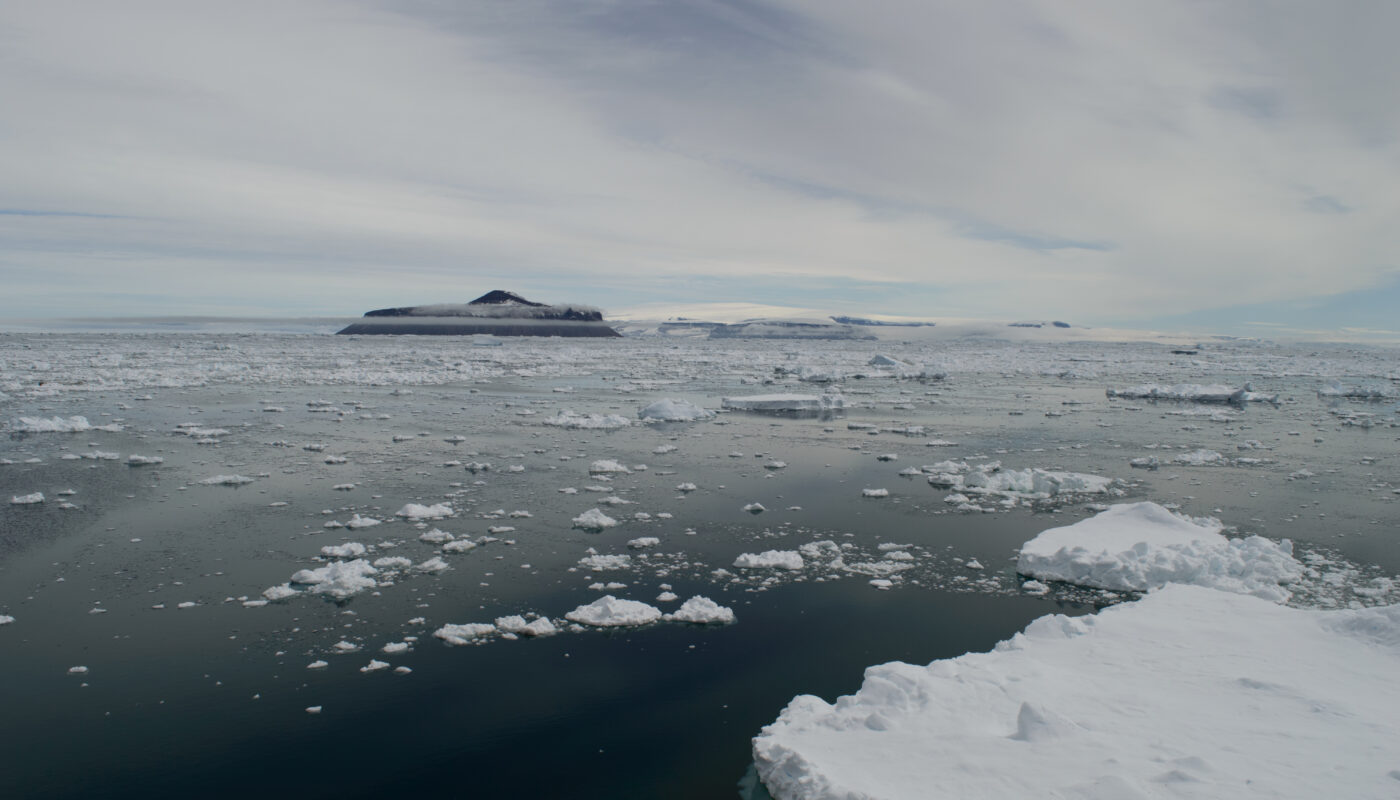
This differs from sea ice, which already floats in the ocean.
Major contributors include:
- Greenland outlet glaciers
- Alaskan tidewater glaciers
- Arctic glacier systems
Scientists closely monitor these glaciers because their future behavior influences projections of global sea levels.
Challenges Facing Future Generations
Many tidewater glaciers are changing faster than previously expected.
Future challenges include:
- Rising sea levels
- Coastal adaptation
- Ecosystem shifts
- Water resource changes
- Tourism impacts
As glaciers retreat, landscapes that have existed for centuries may look dramatically different within a single human lifetime.
This reality has increased interest in glacier conservation, climate research, and sustainable environmental policies.
Why Travelers Are Drawn to Tidewater Glaciers
Few natural spectacles rival the experience of witnessing a tidewater glacier in person.
Visitors are attracted by:
- Towering ice walls
- Calving events
- Iceberg-filled waters
- Wildlife encounters
- Scenic photography opportunities
The combination of beauty, power, and constant movement creates unforgettable experiences.
For many travelers, seeing a tidewater glacier offers a rare glimpse into Earth’s dynamic natural systems.
Conclusion
A tidewater glacier is far more than a river of ice flowing into the sea. It is a dynamic meeting place where glaciers, oceans, weather, and ecosystems interact in extraordinary ways. Through processes such as calving, iceberg formation, and ocean-driven melting, tidewater glaciers continually reshape the landscapes around them.
These remarkable glaciers are found in some of the world’s most spectacular regions, from Alaska and Greenland to Norway and beyond. They support marine ecosystems, influence sea levels, attract travelers, and provide scientists with valuable insights into environmental change.
As the climate continues to evolve, tidewater glaciers will remain critical indicators of how Earth’s frozen regions respond to shifting temperatures and ocean conditions. Their towering ice cliffs and dramatic calving events remind us that even seemingly permanent landscapes are constantly changing, shaped by the ongoing relationship between ice and the ocean.