 by
by Glaciers are among the most awe-inspiring landscapes on Earth. Their shimmering blue ice, towering formations, and dramatic crevasses attract millions of adventure travelers every year. Whether it’s the vast ice fields of Iceland, the frozen giants of Norway, or the famous glaciers of New Zealand and Argentina, the idea of walking across a glacier is undeniably exciting.
However, one important question often arises among independent travelers and outdoor enthusiasts:
Can you walk on a glacier without a guide?
Technically, in some places, the answer is yes. Practically and safely, however, the answer is far more complicated. Glaciers are beautiful, but they are also among the most unpredictable and dangerous environments in nature.
Understanding the risks, the skills required, and the circumstances under which independent glacier travel may be possible is essential before stepping onto any glacier.
Understanding What a Glacier Really Is
Many people imagine glaciers as giant, frozen sheets of solid ice. In reality, glaciers are dynamic rivers of ice that are constantly moving.
A glacier may contain:
- Deep crevasses
- Hidden ice caves
- Meltwater channels
- Unstable ice formations
- Steep slopes
- Falling rocks
- Sudden weather changes
Although glaciers may appear stable from a distance, they are continually changing.
This constant movement is what makes glacier travel both fascinating and potentially dangerous.
Why People Want to Walk on Glaciers Independently
There are several reasons why travelers consider exploring glaciers without a guide.
Saving Money
Guided glacier tours can be expensive.
Depending on the destination, tours may cost anywhere from modest fees to several hundred dollars.
Seeking Adventure
Some outdoor enthusiasts enjoy self-reliant exploration and prefer creating their own experiences.
Photography Opportunities
Independent travelers may wish to spend more time photographing specific locations than a scheduled tour allows.
Mountaineering Experience
Experienced climbers and alpinists often possess the skills necessary for independent glacier travel.
However, wanting independence and being prepared for glacier travel are entirely different things.
The Hidden Dangers of Glaciers
Many glacier accidents occur because people underestimate the risks.
Crevasses
The greatest danger on most glaciers is the crevasse.
Crevasses are deep cracks that can range from a few centimeters to several meters wide and may descend tens or even hundreds of meters into the ice.
Some are clearly visible.
Others are hidden beneath thin snow bridges.
A person can fall through a snow-covered crevasse without any warning.
Ice Collapse
Glaciers frequently produce unstable ice formations.
Ice towers and overhanging sections can collapse unexpectedly.
Even experienced guides avoid certain areas because conditions change daily.
Falling Rocks
Glacier environments often contain steep mountain slopes.
As temperatures rise, rocks loosen and fall onto the ice below.
Rapid Weather Changes
Mountain weather can change incredibly quickly.
Conditions may shift from sunshine to:
- Dense fog
- Snowstorms
- Heavy rain
- Strong winds
Poor visibility can make navigation extremely difficult.
Slippery Surfaces
Glacier ice is often uneven and slippery.
Without proper equipment, even a minor slip can result in serious injury.
Why Guided Glacier Tours Are Popular
Most tourists walk on glaciers with certified guides for good reason.
Professional guides provide:
- Local knowledge
- Safety equipment
- Route planning
- Emergency training
- Weather assessment
- Crevasse rescue expertise
Guides continuously monitor glacier conditions and adjust routes based on daily changes.
What appears to be a safe path one day may become hazardous the next.
Is It Legal to Walk on a Glacier Without a Guide?
The answer depends on the country and the specific glacier.
Some glacier destinations legally permit independent access, while others strongly discourage it or require permits.
Certain glaciers within national parks have regulations regarding:
- Access routes
- Required equipment
- Group sizes
- Seasonal restrictions
Travelers should always research local regulations before planning independent glacier travel.
When Can You Walk on a Glacier Without a Guide?
There are circumstances in which independent glacier travel can be reasonable.
However, these situations usually involve experienced mountaineers rather than casual tourists.
You Have Glacier Training
Proper glacier travel training includes:
- Ice movement techniques
- Crampon use
- Rope systems
- Crevasse rescue
- Navigation skills
- Avalanche awareness
Without these skills, independent travel becomes considerably riskier.
You Have Experience
Experienced mountaineers often spend years developing glacier travel skills.
Many have:
- Climbed numerous peaks
- Practiced rescue techniques
- Traveled on various glacier types
- Worked with professional guides previously
You Have Appropriate Equipment
Essential glacier equipment often includes:
- Mountaineering boots
- Crampons
- Ice axe
- Helmet
- Harness
- Rope
- Carabiners
- Crevasse rescue gear
- Navigation tools
Simply carrying equipment is not enough. Knowing how to use it is equally important.
You Are Traveling With Skilled Partners
Independent glacier travel is rarely recommended alone.
Many experienced climbers travel in teams because companions provide:
- Safety backups
- Rescue capability
- Additional navigation support
- Emergency assistance
Why Solo Glacier Travel Is Extremely Risky
Walking alone on a glacier dramatically increases the danger.
If you fall into a crevasse:
- There may be nobody nearby to help.
- Self-rescue can be impossible.
- Communication may be limited.
- Rescue teams may take hours to arrive.
Even experienced mountaineers often avoid solo glacier travel unless conditions are exceptionally safe and well understood.
Are Some Glaciers Safer Than Others?
Yes.
Not all glaciers present the same level of risk.
Tourist-Friendly Glaciers
Certain glaciers receive heavy tourism and have relatively accessible sections.
Examples include areas near:
Franz Josef Glacier
Sólheimajökull
Nigardsbreen
However, even these glaciers contain hazards and often require guides for safe exploration.
Technical Glaciers
Remote mountain glaciers can present:
- Extensive crevasse fields
- Avalanche danger
- Icefalls
- Complex navigation
These environments demand advanced mountaineering skills.
Why Glaciers Are More Dangerous Than They Look
Many first-time visitors assume glaciers are similar to snowfields.
The reality is very different.
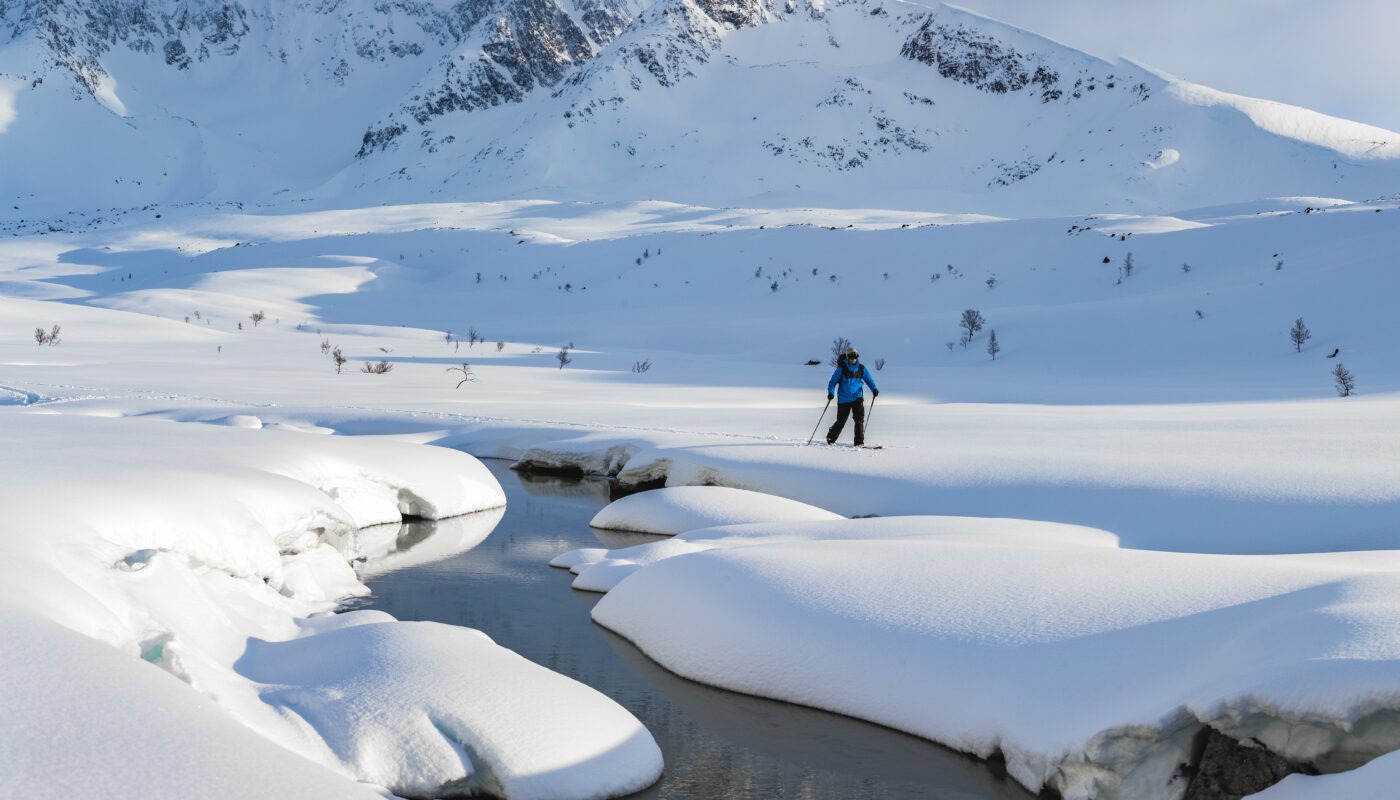
Glaciers hide dangers that cannot always be seen from the surface.
A perfectly flat area may contain:
- Hollow ice chambers
- Thin snow bridges
- Meltwater channels
- Weak ice
The surface can change daily due to:
- Temperature fluctuations
- Rainfall
- Seasonal melting
- Ice movement
This unpredictability is one reason professional guides are so valuable.
The Importance of Crevasse Rescue Skills
One of the most critical skills in glacier travel is crevasse rescue.
Training includes:
- Building anchors
- Rope systems
- Pulley techniques
- Self-arrest procedures
- Team communication
Without these skills, even a minor incident can become life-threatening.
Many glacier accidents occur because people venture onto the ice without understanding rescue procedures.
Environmental Considerations
Glaciers are also fragile environments.
Responsible visitors should:
- Avoid littering
- Stay on established routes when possible
- Respect local regulations
- Minimize environmental impact
Climate change is causing glaciers worldwide to shrink rapidly.
Their preservation depends partly on responsible tourism practices.
The Benefits of Hiring a Guide
Even experienced hikers often choose guided glacier tours.
Guides can enhance the experience by:
- Sharing geological knowledge
- Explaining glacial history
- Identifying interesting features
- Leading visitors to safe ice formations
- Teaching basic glacier techniques
For many travelers, a guided excursion provides both safety and education.
Who Should Definitely Hire a Guide?
A guide is strongly recommended if:
- It is your first glacier experience.
- You have no mountaineering background.
- You lack glacier equipment.
- You are unfamiliar with the area.
- You are traveling alone.
- Weather conditions are uncertain.
For the vast majority of tourists, hiring a guide is the safest and most enjoyable option.
Situations Where Independent Glacier Travel May Be Reasonable
Walking on a glacier without a guide may be acceptable if:
- You possess formal glacier training.
- You have extensive mountaineering experience.
- You understand crevasse rescue.
- You carry proper equipment.
- You travel with experienced partners.
- You have thoroughly researched conditions.
Even then, glacier travel always carries risk.
Experience reduces danger, but it never eliminates it entirely.
The Psychological Trap of Glacier Travel
One reason accidents happen is that glaciers often appear calm and harmless.
The ice may look:
- Smooth
- Stable
- Easy to walk on
This creates a false sense of security.
The reality is that glaciers are dynamic and constantly changing environments.
Respecting that reality is essential.
Final Verdict: Can You Walk on a Glacier Without a Guide?
The simple answer is yes, in certain circumstances.
The better question, however, is:
Should you?
For most people, the answer is no.
Independent glacier travel requires specialized skills, proper equipment, experience, and a deep understanding of mountain safety. Without these elements, stepping onto a glacier can become extremely dangerous.
For casual travelers and first-time visitors, a guided tour offers the perfect balance of adventure and safety. It allows you to experience the beauty of glaciers while benefiting from expert knowledge and risk management.
Glaciers are among nature’s most extraordinary creations. They deserve admiration, exploration, and above all, respect.
Because when it comes to walking on ice that is constantly moving, cracking, and changing beneath your feet, caution is never an overreaction—it is a necessity.