 by
by Glaciers are among Earth’s most fascinating natural wonders. They shape mountain landscapes, feed rivers, preserve ancient climate records, and create breathtaking scenery that attracts millions of visitors each year. While many people picture glaciers as vast rivers of ice flowing gently through valleys, not all glaciers look or behave the same. Some cling dramatically to steep mountain slopes, appearing almost suspended in midair. These are known as hanging glaciers.
Hanging glaciers are among the most striking—and potentially hazardous—types of glaciers found in mountainous regions. Their unique position high above valleys makes them visually spectacular, but it also means they can become unstable. Large blocks of ice may break away unexpectedly, triggering avalanches, rockfalls, floods, or other cascading natural hazards.
Understanding how hanging glaciers form, why they are different from valley glaciers, and what makes them potentially dangerous is increasingly important as mountain environments continue to change. Rising temperatures, shifting weather patterns, and glacier retreat have drawn greater scientific attention to these fragile ice formations.
This article explores the science behind hanging glaciers, the risks they may pose, how researchers monitor them, and what visitors should know when exploring glacier landscapes.
What Is a Hanging Glacier?
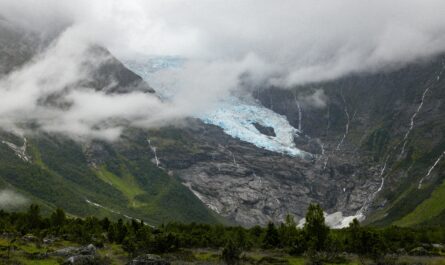
A hanging glacier is a glacier that occupies the upper slopes or cliffs of a mountain rather than extending all the way down into a valley.
Unlike valley glaciers, which flow continuously along the landscape, hanging glaciers remain “perched” on steep mountainsides. Because they end abruptly above lower terrain, they often appear to hang over valleys, giving them their distinctive name.
These glaciers are commonly found in:
- High mountain ranges
- Steep alpine environments
- Coastal mountain regions
- Polar landscapes
Their dramatic location makes them one of the most recognizable glacier types in the world.
Why Are They Called Hanging Glaciers?
The name comes from their appearance.
Imagine a frozen waterfall suspended high above a valley. Instead of gradually reaching the valley floor, the glacier stops suddenly at a cliff edge or steep rock face.
Below the glacier may be:
- Rocky cliffs
- Forested valleys
- Rivers
- Lakes
- Hiking trails
- Villages
Because gravity constantly pulls the glacier downhill, these locations naturally experience higher stress than glaciers resting on gentler terrain.
How Hanging Glaciers Form
Hanging glaciers develop under specific mountain conditions.
Step 1: Snow Accumulation
Heavy snowfall collects in high mountain basins, cirques, or depressions.
Over many years:
- Snow accumulates.
- Older snow compresses.
- Air pockets disappear.
- Dense glacier ice forms.
Step 2: Ice Begins Moving
Although glaciers appear motionless, they slowly flow downhill under their own weight.
The movement occurs because:
- Ice deforms under pressure.
- Gravity pulls the glacier downslope.
- Meltwater at the glacier base may reduce friction.
Step 3: Steep Terrain Limits Growth
In some mountains, the slope becomes extremely steep.
Instead of flowing smoothly into the valley like a valley glacier, the glacier remains attached to the mountainside.
This creates the classic hanging glacier.
Where Are Hanging Glaciers Found?
Hanging glaciers occur in many mountain regions around the world.
Common locations include:
- The European Alps
- The Himalayas
- Alaska
- The Canadian Rockies
- Patagonia
- New Zealand’s Southern Alps
- The Andes
- Greenland
Anywhere mountains are steep enough to support glacier ice above valleys, hanging glaciers may develop.
Characteristics of Hanging Glaciers
Although every glacier is unique, hanging glaciers often share several characteristics.
High Elevation
Most exist at relatively high altitudes where snowfall exceeds melting.
Steep Slopes
They occupy mountain faces with significant gradients.
Steeper slopes create greater movement and instability.
Limited Size
Many hanging glaciers are smaller than major valley glaciers, although some remain quite extensive.
Visible Ice Cliffs
Their lower edges frequently end in dramatic ice cliffs where ice periodically breaks away.
Active Ice Movement
Despite appearing frozen in place, they are constantly moving—usually only a few centimeters or meters each day, depending on conditions.
How Hanging Glaciers Differ From Valley Glaciers
Understanding the differences helps explain why hanging glaciers can be more hazardous.
| Feature | Hanging Glacier | Valley Glacier |
|---|---|---|
| Location | High mountain slopes | Mountain valleys |
| Shape | Suspended on cliffs | Long flowing ice stream |
| Lower End | Abrupt cliff or steep slope | Continues into valley |
| Ice Fall Risk | Higher | Generally lower |
| Accessibility | Often difficult to reach | More accessible |
Both glacier types move, but hanging glaciers are exposed to greater gravitational stress.
Why Hanging Glaciers Can Be Dangerous
Their location makes hanging glaciers naturally unstable.
Several hazards are associated with these ice formations.
Ice Avalanches
The most significant danger is the collapse of large ice blocks.
As glaciers move, cracks called crevasses develop.
Eventually, sections of ice may detach.
When this occurs:
- Massive ice blocks fall.
- Ice shatters upon impact.
- Snow and debris may accompany the collapse.
These events are known as ice avalanches.
Sudden Glacier Collapse
Sometimes an entire portion of a hanging glacier can fail rather than just individual blocks.
Although uncommon, these events may release enormous volumes of ice within minutes.
Possible consequences include:
- Destruction of vegetation
- Damage to roads
- River blockage
- Impacts on mountain infrastructure
Scientists continuously study these rare events to better understand their causes.
Rockfalls Triggered by Glacier Retreat
Hanging glaciers often stabilize nearby rock faces by supporting them with ice.
As glaciers shrink:
- Ice support decreases.
- Previously frozen rock becomes exposed.
- Water enters fractures.
- Freeze-thaw cycles widen cracks.
This increases the likelihood of rockfalls and landslides in some mountain environments.
Glacial Lake Hazards
Ice from hanging glaciers may fall into lakes below.
Large impacts can create:
- Waves
- Water displacement
- Flooding
- Stress on natural lake dams
In rare circumstances, these processes may contribute to glacial lake outburst floods if unstable moraine dams fail.
Climate Change and Hanging Glaciers
Climate change is affecting mountain glaciers worldwide.
However, the relationship between warming temperatures and hanging glacier hazards is complex.
Increased Melting
Warmer conditions may:
- Increase surface melting.
- Alter internal ice structure.
- Change glacier movement.
Permafrost Thaw
Many hanging glaciers exist alongside permanently frozen mountain rock.
As permafrost thaws:
- Rock stability decreases.
- Slopes weaken.
- Rockfalls become more likely in some regions.
Glacier Retreat
Many hanging glaciers are becoming smaller.
Retreat changes mountain landscapes by exposing:
- Bare rock
- Loose sediment
- New drainage channels
Each glacier responds differently depending on elevation, snowfall, and local climate.
Famous Hanging Glaciers Around the World
Several hanging glaciers have become well known because of their beauty or scientific importance.
The Alps
The European Alps contain numerous hanging glaciers visible from hiking trails and mountain villages.
Researchers closely monitor many of these glaciers due to changing environmental conditions.
Himalayas
The Himalayas contain thousands of glaciers, including many hanging glaciers high above populated valleys.
These glaciers contribute meltwater to major Asian rivers while also requiring careful hazard assessment.
Alaska
Alaska’s coastal mountains feature spectacular hanging glaciers overlooking fjords.
Many visitors observe them during glacier cruises.
Occasional ice falls into fjords demonstrate the powerful forces shaping these landscapes.
Patagonia
The Southern Andes contain hanging glaciers suspended above forests, lakes, and dramatic valleys.
Heavy snowfall helps maintain these glaciers despite ongoing regional climate changes.
How Scientists Monitor Hanging Glaciers
Modern technology has significantly improved glacier monitoring.
Satellite Imagery
Satellites regularly measure:
- Glacier area
- Surface movement
- Ice elevation
- Seasonal changes
Repeated observations help identify long-term trends.
GPS Instruments
Sensitive GPS receivers detect tiny movements within glacier ice.
Accelerating movement may indicate changing conditions.
Drones
Drones produce highly detailed images of:
- Ice cliffs
- Crevasses
- Glacier fronts
- Rock slopes
They allow researchers to safely inspect areas that would otherwise be difficult to access.
Radar Technology
Ground-based radar continuously measures glacier movement.
Scientists can detect subtle acceleration that may warrant closer observation.
Time-Lapse Cameras
Fixed cameras photograph glaciers throughout the year.
Time-lapse imagery reveals:
- Seasonal melting
- Ice movement
- Ice falls
- Surface changes
These visual records help researchers understand glacier behavior over time.
Can Hanging Glacier Collapses Be Predicted?
Predicting the exact timing of an ice collapse remains challenging.
Researchers can often identify:
- Growing cracks
- Accelerating movement
- Surface deformation
- Increased melting
These warning signs help estimate changing risk levels.
However, because glacier behavior depends on many interacting factors—including temperature, snowfall, internal ice structure, and gravity—precise predictions are not always possible.
For this reason, authorities sometimes restrict access to areas beneath unstable glaciers when monitoring indicates elevated risk.
Safety Tips for Visitors
If you’re hiking or sightseeing in glacier regions, sensible precautions can greatly reduce risk.
Stay on Designated Trails
Marked routes are typically planned to avoid known hazard zones whenever possible.
Respect Warning Signs
Closures and safety notices are based on scientific assessments and should never be ignored.
Avoid Standing Beneath Ice Cliffs
Ice can fall without warning.
Keeping a safe distance from steep glacier fronts and hanging ice reduces exposure.
Check Weather Conditions
Warm temperatures, heavy rain, or rapid snowmelt may increase instability in some mountain environments.
Always review local forecasts before heading into alpine areas.
Join Guided Excursions
Experienced mountain guides understand local glacier conditions and can help visitors navigate safely.
Guided tours are especially valuable in unfamiliar terrain.
Ecological Importance of Hanging Glaciers
Despite their hazards, hanging glaciers are important components of mountain ecosystems.
They provide:
- Seasonal meltwater for streams
- Cold-water habitat for aquatic species
- Freshwater inputs to downstream rivers
- Scenic landscapes that support tourism
- Long-term records of regional climate
As glaciers change, these ecological functions may also evolve.
Why Ongoing Research Matters
Scientists continue studying hanging glaciers to improve understanding of:
- Glacier dynamics
- Ice stability
- Mountain hazards
- Climate impacts
- Water resources
Research also supports:
- Infrastructure planning
- Hazard mapping
- Emergency preparedness
- Sustainable tourism
Improved monitoring allows communities and visitors to make more informed decisions in glacier environments.
The Future of Hanging Glaciers
Many hanging glaciers are expected to continue changing during the coming decades as mountain climates evolve. Some may shrink substantially, while others at higher elevations could remain relatively stable for longer periods depending on local snowfall and temperature patterns.
Future research will rely increasingly on:
- High-resolution satellite observations
- Artificial intelligence for image analysis
- Autonomous drones
- Advanced climate models
- International scientific collaboration
These tools will deepen our understanding of glacier processes and improve our ability to assess changing risks.
Final Thoughts
Hanging glaciers are among the most dramatic features found in high mountain landscapes. Perched on steep cliffs and seemingly suspended above valleys, they showcase the incredible power of ice and gravity working together over thousands of years. Their beauty attracts hikers, photographers, scientists, and nature enthusiasts from around the world.
At the same time, their elevated position makes them naturally more susceptible to ice falls and related hazards than many valley glaciers. While large glacier collapses are relatively uncommon, the potential for ice avalanches, rockfalls, and other mountain hazards means that careful monitoring and responsible visitor behavior are essential.
Advances in satellite technology, drones, radar systems, and field research are helping scientists better understand how hanging glaciers respond to environmental change. This knowledge improves hazard assessment, supports community safety, and contributes to our broader understanding of Earth’s changing cryosphere.
Whether viewed from a distant mountain trail or admired from a fjord below, hanging glaciers are powerful reminders that even landscapes that appear timeless are constantly evolving. Respecting their dynamic nature allows us to appreciate their beauty while recognizing the importance of science, conservation, and responsible exploration.