 by
Glaciers have a special ability to make travelers feel small. A massive wall of ice rising above dark water, mountains disappearing into clouds, and floating pieces of ice drifting silently across a lagoon can create a scene that feels almost unreal. While glaciers can often be viewed from roads, hiking trails, and observation platforms, seeing one from a boat provides an entirely different experience.
Glacier cruises and boat tours have become popular in destinations such as Norway, Iceland, Alaska, New Zealand, Greenland, and parts of South America. Some are short sightseeing trips across glacial lagoons, while others are full-day journeys through fjords with glacier stops, wildlife viewing, and guided activities.
But these tours can also be expensive. That raises an important question for travelers:
Are glacier cruises and boat tours really worth the money?
The answer depends on what you expect from the experience. For photographers, families, first-time glacier visitors, and travelers who cannot undertake demanding hikes, a boat tour can be one of the best ways to experience a glacier. For budget travelers or people who prefer active adventures, however, another activity may provide better value.
This guide explores the advantages, limitations, costs, photography opportunities, safety considerations, seasons, and practical details that can help you decide whether a glacier cruise belongs on your itinerary.
What Makes Glacier Boat Tours Different?
A glacier viewed from land usually appears as one part of a much larger mountain landscape. You might see a white or blue glacier extending down a valley, but your viewpoint remains fixed.
A boat changes that relationship.
Instead of looking at the glacier from one position, you move through the surrounding landscape. Mountains can appear on both sides of the vessel, waterfalls may descend from cliffs, and floating ice can pass close to the boat.
The perspective can also make the glacier appear much larger.
A small sightseeing boat positioned in front of a towering glacier gives viewers an immediate sense of scale. This is one reason water-based glacier excursions are especially attractive to landscape photographers.
What Types of Glacier Boat Tours Are Available?
There is no single type of glacier cruise.
The experience can range from a comfortable sightseeing trip to a more adventurous journey in a small inflatable vessel.
Large Sightseeing Cruises
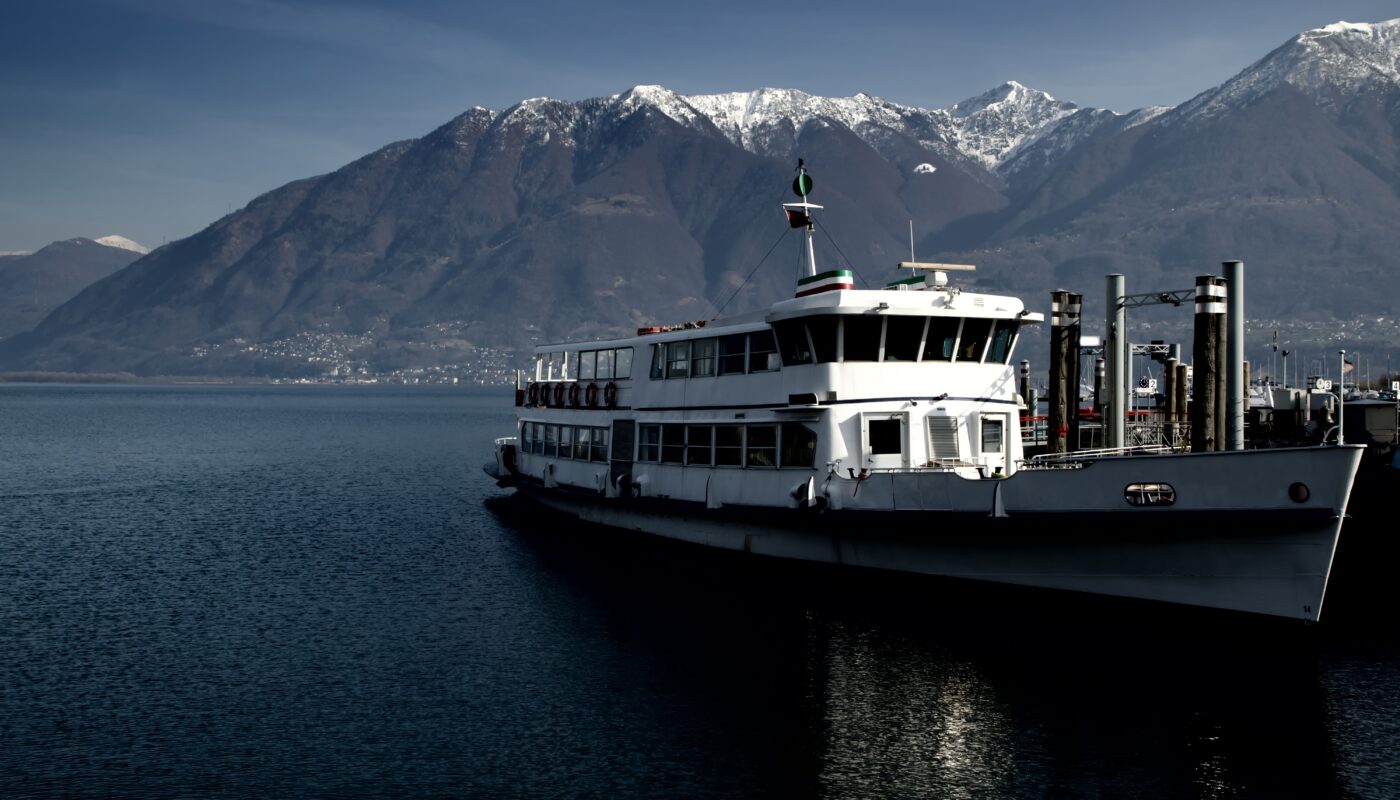
Large boats are generally designed for comfort.
They can be a good option for travelers who want to enjoy the scenery without worrying too much about movement on the water.
They are often suitable for:
- Families
- Older travelers
- First-time boat passengers
- Travelers who dislike rough water
- People who prefer comfortable seating
The downside is that large vessels can feel less personal. Popular tours may also have many passengers competing for viewing positions.
Amphibious Boat Tours
Amphibious boats are commonly used in shallow glacial lagoons.
They can travel through water containing floating pieces of ice and provide passengers with relatively easy access to the glacial environment.
At Iceland’s Jökulsárlón Glacier Lagoon, amphibian tours take passengers among floating icebergs. The operator currently describes the experience as lasting approximately 30–40 minutes.
This type of excursion can be ideal for travelers who want a short and uncomplicated glacier experience.
Zodiac and Small-Boat Excursions
Smaller vessels provide a different atmosphere.
Zodiac-style boats can maneuver more easily and may cover areas that are difficult for larger vessels to reach.
At Jökulsárlón, for example, Zodiac tours provide a longer excursion and can approach the glacier more closely when conditions allow.
These tours are particularly attractive to travelers who enjoy adventure and want a more intimate experience.
However, smaller boats can also feel colder and more exposed to wind and spray.
What Can You Expect to See?
A glacier boat tour is rarely just about looking at a wall of ice.
Depending on your destination, you may encounter:
- Floating icebergs
- Waterfalls
- Snow-covered mountains
- Glacial rivers
- Seabirds
- Seals
- Coastal cliffs
- Small settlements
- Reflections
- Fog
- Dramatic clouds
The scenery can change throughout the journey.
A mountain hidden behind clouds may suddenly become visible.
A patch of sunlight can illuminate a glacier.
An iceberg can rotate in the water and reveal a completely different color.
This constant change is part of what makes boat photography so enjoyable.
Glacier Lagoons Can Be Spectacular
Some of the world’s most famous glacier boat experiences take place in glacial lagoons.
Jökulsárlón in Iceland is a classic example.
Ice from the nearby glacier breaks away and enters the lagoon, where it can remain floating before eventually making its way toward the sea.
The result is a constantly changing collection of ice formations.
Some pieces are enormous.
Others are small enough to look like floating crystals.
The ice may appear white, blue, gray, or almost transparent depending on its density, age, sediment content, and lighting.
From a boat, you can observe these formations from different angles instead of viewing them from a fixed shoreline.
Why Glacier Ice Looks Blue
One of the most fascinating aspects of glacier photography is the blue color sometimes visible in dense ice.
Snow becomes compressed over long periods as more material accumulates above it. Eventually, the pressure transforms the snow into dense glacial ice.
Dense ice absorbs certain wavelengths of visible light more strongly than others, allowing blue light to become more noticeable.
This can produce beautiful turquoise or deep-blue tones.
However, not every glacier will look intensely blue.
The appearance depends on factors such as:
- Ice density
- Age
- Weather
- Lighting
- Sediment
- Viewing angle
This means photographs taken on different days can look remarkably different.
The Biggest Advantage: Perspective
The strongest argument for taking a glacier cruise is perspective.
From a mountain trail, you may see a glacier stretching into the distance.
From a boat, you may be able to see the glacier’s relationship with the water directly.
This gives the landscape a stronger three-dimensional feeling.
Mountains appear to rise directly from the water.
Waterfalls become vertical lines connecting land and sea.
Icebergs create foreground subjects.
The glacier becomes the background.
This layered composition can be especially effective in photographs.
Why Photographers Love Glacier Boat Tours
For photographers, a boat acts like a moving viewpoint.
Instead of searching for the perfect composition from one location, you continually receive new angles.
You might photograph:
A Wide Landscape
Include the entire glacier, surrounding mountains, and water.
A Tight Glacier Detail
Use a telephoto lens to capture cracks, textures, and blue ice.
An Iceberg Foreground
Place floating ice in front of the glacier.
A Boat for Scale
Include another vessel to demonstrate the size of the landscape.
Reflections
When the water is calm, mountains and ice can be reflected beautifully.
Wildlife
Seals and seabirds can occasionally add life to the landscape.
You do not need professional equipment to enjoy these opportunities.
A modern smartphone can produce excellent travel photographs, especially in good light.
Don’t Expect Perfect Weather
One mistake travelers make is assuming that a glacier tour needs sunshine to be worthwhile.
Not necessarily.
Clear weather provides spectacular visibility, but clouds and mist can create atmosphere.
Fog can partially hide mountains and make the scene mysterious.
Low clouds can emphasize the height of cliffs.
Rain can deepen the colors of vegetation.
Snow can make the landscape feel dramatically different.
Some photographers actually prefer changing weather because it produces images that look more atmospheric than standard sunny postcards.
Is Glacier Calving Guaranteed?
Absolutely not.
Glacier calving is one of the most exciting events travelers hope to witness.
It happens when a piece of ice breaks away from a glacier and enters the water.
The event can range from a small crack to a major collapse that creates waves.
However, no responsible tour company should promise that you will see it.
Glaciers are unpredictable.
You might spend an hour near a glacier without seeing any major movement.
That doesn’t mean the tour failed.
The glacier itself remains the attraction.
Think of calving as an unexpected bonus.
How Close Can a Boat Safely Get?
This depends on the glacier and conditions on the day.
A glacier front can be unstable.
Large pieces of ice may break away unexpectedly, producing waves and creating hazards for nearby vessels.
Floating ice can also make navigation difficult.
Therefore, boat operators determine their distance according to safety conditions.
A tour advertisement may say that the boat approaches “as close as possible,” but that does not mean the same distance will be possible every day.
Safety should always take priority over photography.
A slightly more distant photograph is far better than putting passengers or crew in danger.
Are Glacier Boat Tours Safe?
Professional tours are generally structured around safety procedures, but glacier environments should never be treated casually.
Weather can change.
Water conditions can become rough.
Ice can move.
Glacier faces can collapse.
Passengers should therefore listen carefully to the crew.
Norwegian authorities and tourism organizations emphasize the importance of checking weather conditions and using appropriate safety measures during outdoor and water-based activities.
If you’re traveling to a glacial region, always follow local warnings.
Never leave a designated boat or viewing area to approach ice independently.
What Should You Wear?
Even in summer, the environment around a glacier can feel cold.
The combination of wind, water, ice, and mountain weather can make conditions uncomfortable if you are not properly dressed.
A good outfit includes:
- Warm base layer
- Fleece or sweater
- Waterproof jacket
- Waterproof trousers
- Warm socks
- Gloves
- Hat
- Comfortable shoes
Layering is better than wearing one extremely heavy item.
You can remove a layer when the temperature rises and add it again when the boat enters a colder section.
Protect Your Camera From Water
A glacier cruise can be wonderful for photography, but water can quickly become a problem.
Even calm boats may experience spray.
If you’re carrying a camera, consider bringing:
- Waterproof camera cover
- Dry bag
- Lens cloth
- Microfiber towel
- Spare battery
- Extra memory card
Keep your camera accessible enough to use quickly, but protect it whenever spray increases.
A waterproof pouch is also useful for smartphones.
Are Glacier Cruises Good for Families?
For many families, yes.
One of the biggest benefits is that children can experience dramatic glacial scenery without completing a long or difficult hike.
A boat can provide:
- Easy sightseeing
- Educational information
- Wildlife opportunities
- Close views of ice
- Excitement without strenuous walking
However, families should always check age restrictions.
Some small-boat experiences may have minimum age requirements.
Parents should also consider how comfortable their children are with cold temperatures, wind, and boat movement.
What About Older Travelers?
Boat tours can be an excellent alternative to demanding glacier hikes.
Instead of climbing steep trails, travelers can remain on a vessel and still experience dramatic scenery.
However, accessibility varies.
Before booking, ask about:
- Wheelchair access
- Boarding ramps
- Steps
- Seating
- Toilets
- Outdoor deck access
- Transfer requirements
Never assume a tour is accessible simply because it is described as sightseeing.
Glacier Cruise vs. Glacier Hike
A boat tour and a glacier hike provide completely different experiences.
Glacier Cruise
You observe the glacier from the water.
Advantages include:
- Lower physical demand
- Excellent panoramic views
- Iceberg photography
- Family-friendly options
- Access to water-level perspectives
Glacier Hike
You enter the glacial environment with a professional guide.
Advantages include:
- Direct contact with glacial terrain
- Ice formations
- Crevasses
- Meltwater
- A stronger sense of adventure
A glacier hike generally requires more preparation and physical effort.
For travelers who have the time and budget, doing both can be an excellent combination.
Glacier Cruise vs. Free Viewpoint
This is where the question of value becomes more complicated.
A viewpoint may cost nothing.
You can stay as long as you like.
You can wait for perfect light.
You can photograph sunrise or sunset.
So why pay for a boat?
Because the boat provides access to a completely different perspective.
You see the glacier from water level.
You move through the landscape.
You may encounter floating ice.
You can photograph mountains from changing angles.
The two experiences complement each other rather than replacing one another.
What Are the Biggest Disadvantages?
Glacier boat tours have several potential drawbacks.
1. Price
Some excursions can be expensive, especially when transportation and additional activities are included.
2. Weather
Poor visibility can reduce the visual impact.
3. Crowds
Popular tours can become busy.
4. Motion Sickness
Smaller boats can be uncomfortable for some travelers.
5. Limited Duration
A short trip may feel too brief for the price.
6. No Guaranteed Wildlife
Animals may not appear.
7. No Guaranteed Calving
The glacier may remain quiet during your visit.
8. Safety Restrictions
You may not get as close to the glacier as you expected.
Knowing these limitations in advance makes it easier to decide whether the experience fits your expectations.
When Is a Glacier Boat Tour Worth the Money?
A glacier cruise is especially worthwhile when:
- You have never experienced a glacier from the water.
- You enjoy photography.
- You are traveling with children.
- You prefer sightseeing to strenuous hiking.
- You want to see icebergs.
- You have limited mobility.
- You enjoy guided tours.
- You want to learn about glaciers.
- The tour provides access unavailable from land.
For these travelers, the boat can provide something genuinely different.
When Might You Skip It?
A cruise may not be necessary if:
- You have a very tight budget.
- You dislike boats.
- You suffer severe motion sickness.
- You already have a glacier hike booked.
- You have limited time.
- You prefer independent exploration.
- You are visiting several glacier destinations and want variety.
There is no rule saying that every traveler must take a glacier cruise.
Travel experiences should match your interests.
Choosing the Best Glacier Boat Tour
Before booking, look beyond the tour title.
Ask yourself:
How long is the boat actually on the water?
Some full-day excursions may include only a short boat segment.
What kind of vessel is used?
Large boats and Zodiacs offer very different experiences.
How large is the group?
A smaller group may provide better viewing opportunities.
What is included?
Check whether transportation, food, guides, equipment, or museum visits are included.
What happens in bad weather?
Read the cancellation policy carefully.
How close does the tour normally approach the glacier?
Look for realistic descriptions rather than dramatic marketing language.
Is the tour accessible?
Ask in advance if you have mobility requirements.
These questions can help you avoid paying for an experience that doesn’t suit your needs.
Best Time of Year for Glacier Boat Trips
There is no universal “best” season.
The ideal period depends on the destination.
Summer often provides:
- Longer daylight
- Easier road travel
- More departures
- Better accessibility
Spring can bring powerful meltwater and changing ice conditions.
Autumn may offer fewer visitors and dramatic weather.
Winter can produce spectacular snowy landscapes but may reduce boat availability.
For example, current information from Jökulsárlón lists seasonal boat operations extending through much of the warmer part of the year, with different vessels operating during different periods.
Always check the current schedule before finalizing your itinerary.
Responsible Glacier Tourism
Glacier tourism should be based on respect.
Never treat a glacier as a theme-park attraction.
Follow your guide.
Stay within designated areas.
Don’t attempt to climb unstable ice.
Don’t touch or collect pieces of ice.
Don’t throw rubbish into the water.
Avoid disturbing wildlife.
Don’t pressure operators to approach dangerous areas for photographs.
A responsible traveler understands that glaciers are natural systems, not attractions that can be controlled for visitors.
Glacier Tourism Can Also Be Educational
A glacier cruise can become much more meaningful when you understand what you are looking at.
Guides may explain:
- How glaciers form
- How ice moves
- Why glaciers carve valleys
- What causes calving
- How meltwater enters rivers
- How glaciers have shaped local landscapes
- How scientists monitor glacier changes
Some excursions combine boat travel with museums or other educational attractions.
For example, Norwegian glacier excursions in the Fjærland region can combine fjord travel, a museum visit, and a glacier stop.
This can make the trip more than a sightseeing activity.
It becomes an opportunity to understand the landscape.
A Simple Packing Checklist
Before boarding your glacier boat, consider bringing:
- Waterproof jacket
- Warm clothing
- Gloves
- Hat
- Waterproof footwear
- Sunglasses
- Sunscreen
- Camera
- Waterproof camera protection
- Spare battery
- Water bottle
- Small snack
- Booking confirmation
If the tour company supplies special equipment, confirm what you need to bring yourself.
How to Make the Experience Better
Don’t spend the entire journey standing in one place waiting for the perfect photograph.
Move around when allowed.
Look behind you.
Sometimes the landscape behind the glacier is even more impressive.
Watch the water.
Look for reflections.
Observe floating ice.
Listen to the sounds around you.
Pay attention to how the light changes.
Take photographs, but also experience the landscape without a camera.
A glacier cruise is not just about collecting photographs.
It is about being surrounded by a landscape that has been shaped by ice over enormous periods of time.
Final Answer: Are Glacier Cruises and Boat Tours Worth It?
Yes, they can be extremely worthwhile—but only if you choose the right tour for your travel style.
The strongest reason to book a glacier cruise is the unique perspective.
A glacier seen from a distant road is beautiful.
A glacier seen from a boat, with ice floating around you and mountains rising above the water, can feel much more immersive.
For photographers, the moving viewpoint creates countless compositions.
For families, a boat can offer an easier alternative to strenuous hiking.
For older travelers and visitors with limited mobility, it can provide access to spectacular landscapes without requiring a difficult trail.
For adventure travelers, small boats can add an exciting element to the journey.
But a glacier cruise isn’t automatically a good investment.
A crowded, expensive, weather-affected excursion may not provide the experience you imagined.
That’s why research matters.
Look carefully at the duration, vessel, route, group size, season, cancellation policy, accessibility, and actual glacier access.
Don’t book solely because a tour advertisement shows a spectacular photograph.
Remember that glaciers are unpredictable. Calving may not happen. Wildlife may not appear. Weather may hide the mountains. Safety conditions may prevent the boat from approaching as closely as expected.
Those possibilities don’t make the experience unsuccessful.
They are simply part of traveling in a natural environment.
The best attitude is to arrive with realistic expectations.
You are not purchasing a guaranteed photograph.
You are purchasing an opportunity to experience an extraordinary landscape from a perspective that cannot easily be recreated on land.
And that is ultimately what makes a well-planned glacier boat tour worthwhile.
The water, ice, mountains, wildlife, weather, and light come together to create a moment that is different every time.
If your budget allows and the destination offers a genuinely unique water-level experience, a glacier cruise can be one of the most memorable parts of a glacier-focused journey.