 by
by Nestled in the heart of the Swiss Alps, the Aletsch Glacier stands as one of the most iconic and awe-inspiring natural wonders of Europe. Stretching over 23 kilometers and covering more than 120 square kilometers, it is the largest glacier in the Alps and a UNESCO World Heritage site. The Aletsch Glacier is more than just a massive river of ice; it is a living testament to the Earth’s glacial history, a vital ecological system, and a magnet for scientists, hikers, and nature enthusiasts from around the world.
Exploring the Aletsch Glacier offers a unique opportunity to witness the immense scale of alpine ice, understand the impact of climate change, and experience some of Switzerland’s most breathtaking landscapes. This article delves into the glacier’s geography, history, ecosystems, recreational opportunities, and the challenges it faces today.
1. Geography and Formation
The Aletsch Glacier lies in the Bernese Alps of the Valais canton in southern Switzerland. It is fed by several smaller tributary glaciers, including the Grosser Aletschfirn, which forms its main ice stream. The glacier originates from the high peaks of the Jungfrau, Mönch, and Aletschhorn, accumulating ice from snowfalls that compact into glacial ice over centuries.
Physical Dimensions
- Length: Approximately 23 km (14.3 miles)
- Surface area: Around 120 km² (46 square miles)
- Volume: Estimated at 27 km³ of ice
- Thickness: Ranges from 200 meters to over 900 meters in its deepest sections
The Aletsch Glacier flows southward, eventually forming the Massa River, which empties into the Rhone River. Its ice movement is relatively slow, averaging about 100 to 200 meters per year, but even at this pace, it shapes the surrounding mountains and valleys dramatically.
2. A Glacial Legacy: Formation and History
The Aletsch Glacier is a relic of the last Ice Age, formed over thousands of years as snow accumulated and compressed into ice. During the Little Ice Age (roughly 14th–19th centuries), the glacier reached its maximum recorded extent, advancing deep into the valleys and shaping the surrounding landscape. Historical records, such as old maps and paintings, show how dramatically the glacier extended during colder periods.
Over the past century, however, the glacier has receded significantly due to rising global temperatures. Satellite imagery and field measurements reveal that Aletsch Glacier has retreated over 2.5 kilometers since 1900, with the rate of ice loss accelerating in the last few decades. Scientists estimate that if warming trends continue, significant portions of the glacier may disappear by the end of the 21st century.
3. Ecosystems and Environmental Importance
Despite its icy surface, the Aletsch Glacier supports a diverse range of ecosystems, both on its ice and in the surrounding areas.
Flora and Fauna
- Glacial Forelands: As the glacier retreats, it exposes new land that becomes colonized by pioneer plants, such as mosses, lichens, and hardy alpine flowers.
- Alpine Meadows: At lower elevations, meadows bloom with vibrant wildflowers like edelweiss, gentian, and alpine aster.
- Wildlife: The region hosts mountain goats, ibex, marmots, and birds such as golden eagles and alpine choughs. These animals thrive in the rugged terrain shaped by the glacier’s slow movement.
Hydrological Significance
The Aletsch Glacier is a crucial freshwater reservoir. Meltwater from the glacier feeds rivers and streams, sustaining agriculture, drinking water supplies, and hydroelectric power production downstream. The glacier’s seasonal melt cycles help regulate water flow, making it vital for both ecosystems and human infrastructure.
4. UNESCO World Heritage Recognition
In 2001, the Swiss Alps Jungfrau-Aletsch region, including the Aletsch Glacier, was designated a UNESCO World Heritage site. This recognition reflects the glacier’s outstanding natural value, including its:
- Exceptional size and shape as the largest glacier in the Alps
- Geological significance, revealing the history of Alpine glaciation
- Role as a benchmark for studying climate change impacts on alpine glaciers
UNESCO designation has also helped protect the glacier and surrounding landscapes from uncontrolled development and tourism, promoting sustainable practices and environmental education.
5. Exploring the Glacier: Tourism and Recreation
Aletsch Glacier is a prime destination for tourists and outdoor enthusiasts seeking breathtaking alpine experiences. Visitors can explore the glacier and surrounding areas through a variety of activities.
Hiking and Walking Trails
- Aletsch Panorama Trail: A relatively accessible trail offering spectacular views of the glacier from the Bettmerhorn and Eggishorn peaks. Hikers enjoy panoramic vistas of the entire glacier tongue and surrounding peaks.
- Fiescheralp and Riederalp Routes: More adventurous hikes traverse moraines and high-altitude ridges, providing close-up views of glacial ice, crevasses, and meltwater streams.
Skiing and Winter Sports
The glacier and its environs turn into a skiing, snowboarding, and snowshoeing paradise in the winter. Resorts such as Riederalp, Bettmeralp, and Fiesch-Eggishorn offer facilities catering to tourists while maintaining environmental safeguards.
Guided Glacier Tours
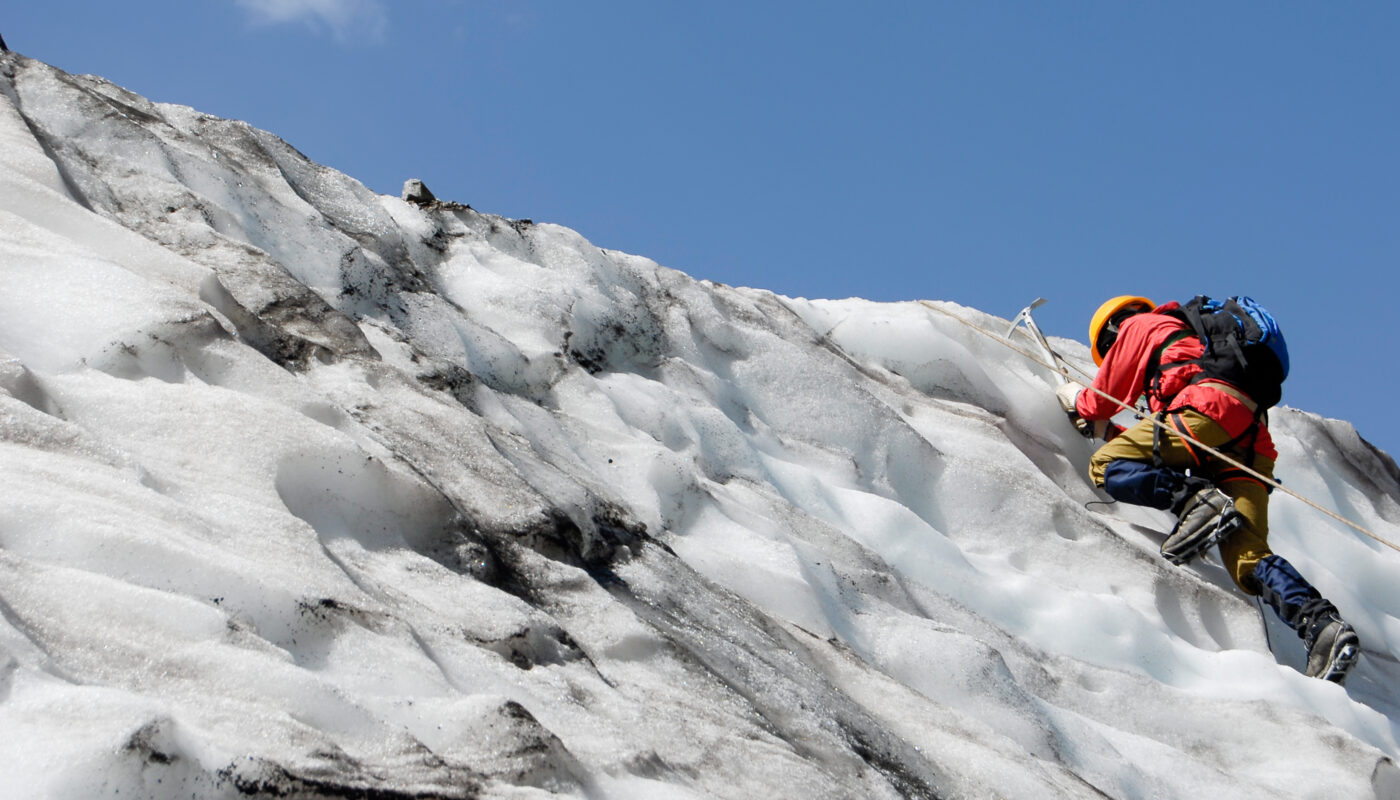
Under the guidance of skilled mountaineers, guided glacier tours enable investigation of ice caverns, crevasses, and glacial features for those looking for a more immersive experience. These tours often emphasize safety and environmental awareness.
6. Climate Change and Glacier Retreat
Like many glaciers worldwide, the Aletsch Glacier is shrinking at an alarming rate. Studies indicate:
- The glacier has lost approximately 1.3 km in length over the last 30 years.
- Ice thickness has decreased significantly, with some areas thinning by over 100 meters since the late 20th century.
- Future projections suggest that continued warming could reduce the glacier’s volume by half or more by 2100 if emissions are not curbed.
This retreat has far-reaching consequences:
- Hydrological impact: Reduced meltwater in summer could affect river flows and hydroelectric power generation.
- Ecosystem changes: Retreating ice exposes new land, altering habitats and the distribution of alpine flora and fauna.
- Tourism: Shrinking ice can affect skiing, hiking, and the overall visual appeal, though it also creates new landscapes for exploration.
Climate scientists monitor Aletsch Glacier as a key indicator of Alpine climate change, using it to study glacial dynamics, ice melt rates, and the wider environmental implications of global warming.
7. Scientific Research and Monitoring
The Aletsch Glacier is a center for scientific research. Swiss and international teams conduct studies on:
- Ice flow dynamics and movement patterns
- Glacial melt rates and their contribution to river discharge
- Climate reconstruction using ice cores, which reveal centuries of temperature, snowfall, and atmospheric conditions
- Monitoring the formation of glacial lakes and potential hazards such as glacial lake outburst floods (GLOFs)
Remote sensing technologies, including drones and satellite imagery, complement traditional fieldwork, allowing scientists to track changes in near real-time and model future glacier behavior.
8. Sustainable Tourism and Conservation Efforts
Recognizing the environmental sensitivity of the glacier, Swiss authorities and local communities have implemented sustainable tourism initiatives:
- Trail maintenance and signage: Preventing erosion and protecting fragile alpine flora.
- Visitor education: Informational boards and guided tours highlight the glacier’s ecological importance and the impact of climate change.
- Regulated access: Limiting vehicle access and encouraging public transportation reduces carbon footprints in the region.
- Energy efficiency in resorts: Ski and tourism facilities increasingly rely on renewable energy and sustainable practices to minimize environmental impact.
These measures aim to balance tourism with conservation, ensuring that visitors can experience the glacier without contributing to its degradation.
9. Experiencing the Aletsch Glacier Today
Visiting the Aletsch Glacier offers a combination of natural beauty, adventure, and environmental insight. Some highlights include:
- Eggishorn Viewing Platform: Offers a panoramic view of the entire glacier and surrounding peaks, ideal for photography and nature observation.
- Glacial Ice Formations: Crevasses, ice caves, and seracs provide dramatic landscapes for both casual visitors and professional photographers.
- Educational Experiences: Museums and visitor centers along the glacier educate visitors on glaciology, climate change, and alpine ecology.
Whether hiking along moraines, skiing on alpine slopes, or observing the retreating ice from a distance, the Aletsch Glacier provides an unforgettable glimpse into the raw power of nature.
10. The Future of the Aletsch Glacier
The Aletsch Glacier serves as both a natural wonder and a warning sign. Its rapid retreat highlights the broader impacts of climate change on alpine glaciers worldwide. Scientists and conservationists stress that urgent climate action is required to slow global warming and preserve glaciers.
Efforts to reduce greenhouse gas emissions, protect alpine ecosystems, and promote sustainable tourism are essential to ensure that the glacier can continue to inspire future generations. While some ice loss is now inevitable, careful management and global climate mitigation can preserve the Aletsch Glacier as a vital ecological, cultural, and recreational resource for decades to come.
Conclusion
The Aletsch Glacier, the largest in the Alps, is a striking testament to the power and fragility of nature. From its dramatic ice flows and high alpine origins to its role in ecosystems and human culture, it is a natural treasure of global significance. Visiting and studying this glacier provides insight into Earth’s glacial history, contemporary climate challenges, and the breathtaking beauty of high mountain landscapes.
However, its continued existence is not guaranteed. Rapid warming, accelerated ice loss, and changing landscapes underscore the urgency of climate action and conservation. For hikers, scientists, and nature enthusiasts, exploring the Aletsch Glacier is not just a journey through ice and mountain scenery — it is a journey into understanding the delicate balance of our planet and our responsibility to protect it.