 by
by Glaciers are some of the most awe-inspiring natural features on Earth. These massive rivers of ice slowly carve valleys, shape mountains, and leave behind breathtaking landscapes. From the towering icefalls of Alaska to the blue-hued glaciers of Patagonia, people are drawn to their beauty, often traveling thousands of miles just to witness them. But as magnificent as glaciers are, they also come with inherent risks. Are glaciers dangerous? The answer is yes—but understanding the risks and how to mitigate them can make glacier exploration both thrilling and safe.
Understanding Glaciers
Before diving into the dangers, it helps to understand what a glacier is. Glaciers are essentially large, persistent bodies of dense ice that form over centuries from compacted snow. They move slowly under their own weight, flowing like a frozen river. Glaciers are found on every continent except Australia, often in mountainous regions or polar areas. Some of the world’s largest glaciers include:
- Lambert Glacier, Antarctica: The world’s longest glacier at about 400 km (250 miles).
- Perito Moreno Glacier, Argentina: Famous for its dramatic ice ruptures.
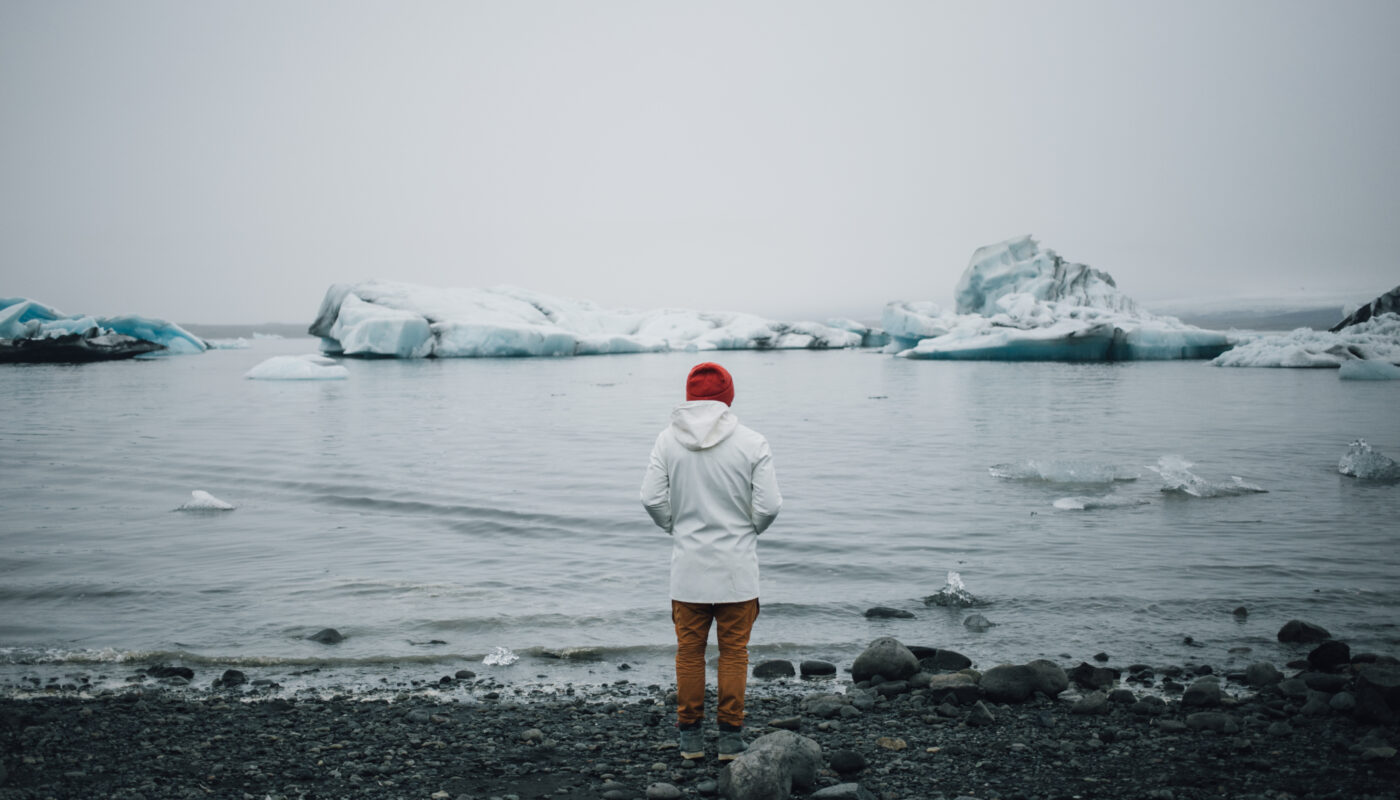
- Vatnajökull, Iceland: One of Europe’s largest ice caps with numerous outlet glaciers.
The movement and structure of glaciers make them both fascinating and unpredictable. Their surfaces are riddled with crevasses, seracs, and unstable ice formations—all of which contribute to the dangers of venturing onto them.
The Real Risks of Glaciers
While glaciers are stunning to behold, several risks make them inherently dangerous. These risks can be grouped into natural, environmental, and human factors.
1. Crevasses
Crevasses are deep cracks in the glacier’s ice surface, sometimes reaching depths of over 100 meters (328 feet). They can be hidden beneath thin snow bridges, making them difficult to detect. Falling into a crevasse can lead to serious injury or death if proper precautions aren’t taken.
Safety Tips:
- Always rope up when traveling on a glacier.
- For further security, use ice screws and a harness.
- Travel with an experienced guide familiar with local glacier conditions.
2. Icefalls and Seracs
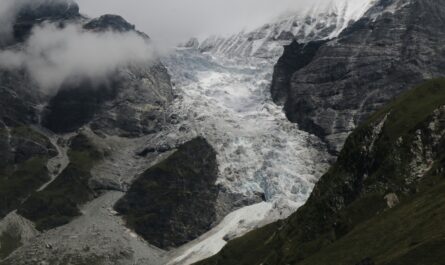
Icefalls occur where glaciers flow over steep terrain, causing the ice to fracture and form towers or blocks known as seracs. These seracs can collapse without warning, creating deadly avalanches of ice. Even experienced climbers avoid lingering under icefalls.
Safety Tips:
- Observe from a safe distance.
- Plan your route to avoid unstable ice.
- Check local reports on icefall conditions before venturing out.
3. Avalanches and Snow Slides
Glaciers are often surrounded by steep slopes covered in snow and ice. Avalanches can occur naturally or be triggered by climbers, making these areas extremely hazardous. Snow slides on glacier surfaces can also sweep unwary travelers into crevasses or rocky terrain.
Safety Tips:
- Avoid glacier travel after heavy snowfall or rapid temperature changes.
- Be trained in avalanche rescue and carry essential gear like beacons, probes, and shovels.
4. Glacial Rivers and Outwash Floods
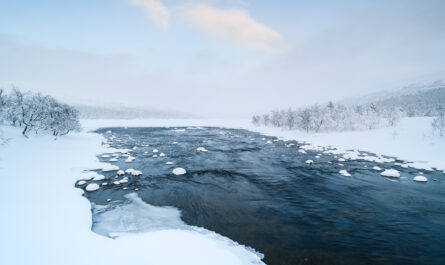
Melting glaciers produce glacial rivers and streams that are deceptively powerful. These rivers often carry rocks and debris, creating fast-moving currents that can sweep a person away. Additionally, glacial lakes may suddenly release water in glacial lake outburst floods (GLOFs), posing severe risks downstream.
Safety Tips:
- Never cross glacial rivers without proper assessment.
- Use bridges or safe fording points if available.
- Stay informed about local glacial lake conditions.
5. Hypothermia and Cold Exposure
Glaciers are cold environments year-round, often with temperatures well below freezing. Exposure to cold wind, wet conditions, or prolonged inactivity can result in hypothermia. Even strong, healthy individuals are vulnerable if they are unprepared.
Safety Tips:
- Dress in layered, moisture-wicking, and insulated clothing.
- Carry emergency shelter and extra clothing.
- Know the signs of hypothermia and frostbite and how to respond.
6. Falling Rocks and Ice
As glaciers move, they can destabilize surrounding rock faces. Rockfall is a common hazard, especially near the glacier’s terminus or moraines. Ice chunks can also break off the glacier edge unexpectedly, making close proximity dangerous.
Safety Tips:
- Avoid standing directly under ice cliffs or rock faces.
- Helmets are essential when moving near unstable areas.
- Observe local hazard warnings before venturing out.
7. Unstable Terrain
The areas around glaciers, such as moraines and ice-melt valleys, are often unstable and prone to landslides. Walking on loose rocks or newly exposed ground can lead to slips, falls, or sudden collapses.
Safety Tips:
- Wear sturdy boots with good traction.
- Use trekking poles for balance.
- Avoid traveling alone in unstable terrain.
8. Altitude Sickness
Many glaciers are located at high elevations, where oxygen levels are lower. Altitude sickness can affect both beginners and experienced hikers, leading to headaches, dizziness, and severe conditions like pulmonary or cerebral edema.
Safety Tips:
- Acclimatize slowly before ascending.
- Stay hydrated and avoid overexertion.
- Descend immediately if symptoms worsen.
Human Factors That Increase Risk
It’s important to recognize that human error is a leading cause of glacier accidents. Common mistakes include:
- Ignoring weather forecasts or hazard reports.
- Traveling without a guide or proper equipment.
- Overestimating one’s skill level.
- Not communicating plans with others.
Even seasoned adventurers are not immune to these errors. Preparation, respect for nature, and caution are vital.
How to Minimize Glacier Risks
While glaciers are inherently dangerous, you can significantly reduce risk with proper planning and behavior:
1. Educate Yourself
Understand glacier dynamics, hazards, and navigation techniques. Consider taking a glacier safety course or mountaineering class.
2. Travel with Experts
Guides or experienced climbers are invaluable, especially on complex glaciers with hidden crevasses or unstable icefalls.
3. Use Proper Equipment
Ice axes, crampons, helmets, harnesses, and ropes are necessary for safe glacier navigation.
4. Plan Your Trip
Check weather, avalanche forecasts, glacial movement reports, and local guidelines. Establish exit routes and emergency contacts.
5. Never Go Alone
Always travel with at least one partner. A small group increases safety and provides immediate assistance in emergencies.
6. Respect Nature
Avoid unnecessary risks, maintain a safe distance from ice cliffs and seracs, and stay on marked routes when available.
Famous Glacier Incidents
Even experienced explorers have been caught off guard by glacier hazards:
- Alaskan Glaciers: Fatal falls into crevasses are a recurring danger for climbers on Mount Rainier and Denali.
- Patagonia: Icefall collapses have trapped hikers and necessitated helicopter rescues.
- Iceland: Tourists on guided glacier walks have been injured due to unexpected ice fractures and slipping hazards.
These incidents highlight the unpredictable nature of glaciers and the importance of preparation.
Why People Still Take the Risk
Despite the dangers, glaciers continue to attract adventure seekers. The reasons are compelling:
- Unmatched Beauty: Glacier landscapes are some of the most photogenic and dramatic on Earth.
- Adventure & Challenge: Conquering a glacier requires skill, preparation, and courage.
- Scientific Curiosity: Glaciers provide insight into climate change, geology, and glaciology.
- Connection to Nature: Experiencing glaciers up close fosters a deep respect for our planet’s natural processes.
Many adventurers argue that the rewards far outweigh the risks when proper precautions are taken.
Final Thoughts
So, are glaciers dangerous? Absolutely—but the danger can be managed with education, planning, and respect. Understanding the natural hazards, traveling with the right equipment, and following expert advice can make glacier exploration a safe and unforgettable experience.
Glaciers are not just frozen rivers—they are dynamic, living landscapes that demand humility and preparation from those who enter their realm. By approaching them with caution, knowledge, and care, you can experience the wonder of glaciers while minimizing risks.
Whether you’re dreaming of walking on Vatnajökull in Iceland, kayaking near a calving glacier in Alaska, or trekking across Patagonia’s icefields, remember this: glaciers are beautiful, powerful, and yes, dangerous—but with the right approach, they are also accessible and awe-inspiring.