 by
by At first glance, glaciers and icebergs may seem like similar icy entities—massive, cold, and imposing. However, while both are composed of frozen water, they are fundamentally different in formation, behavior, and impact on the environment. Misunderstanding glaciers as just large icebergs can lead to confusion about their role in shaping landscapes, influencing climate, and providing essential freshwater resources. In this guide, we’ll explore the distinctions between glaciers and icebergs, how each forms, their physical characteristics, and their broader significance to our planet.
What Are Glaciers?
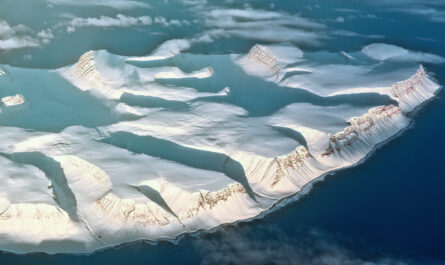
A glacier is a mass of dense ice that forms over many years from accumulated snowfall, which compresses into solid ice. Unlike seasonal snowfields, glaciers are dynamic, slowly flowing rivers of ice that move under their own weight across land. They exist in high mountain ranges and polar regions, including the Himalayas, Alps, Andes, Greenland, and Antarctica.
Key Characteristics of Glaciers
- Formation: Glaciers originate on land, where snowfall accumulates over decades or centuries.
- Movement: Glaciers move slowly, sometimes just a few centimeters a day, or in certain fast-flowing sections, meters per day.
- Size: They can span a few hundred meters in small valleys or stretch hundreds of kilometers, as in the Greenland and Antarctic ice sheets.
- Impact on Landscapes: Glaciers carve valleys, shape mountains, and create fjords through processes like erosion and deposition.
Types of Glaciers
- Valley Glaciers: Flow through mountain valleys, forming long, narrow ice rivers.
- Ice Sheets: Vast, continental-scale glaciers that cover entire regions, such as Antarctica.
- Ice Caps: Dome-shaped glaciers smaller than ice sheets, covering mountainous regions.
- Piedmont Glaciers: Spread out when valley glaciers reach flat plains.
Glaciers are living landscapes—slow-moving, constantly reshaping the terrain, and reacting to climate changes.
What Are Icebergs?
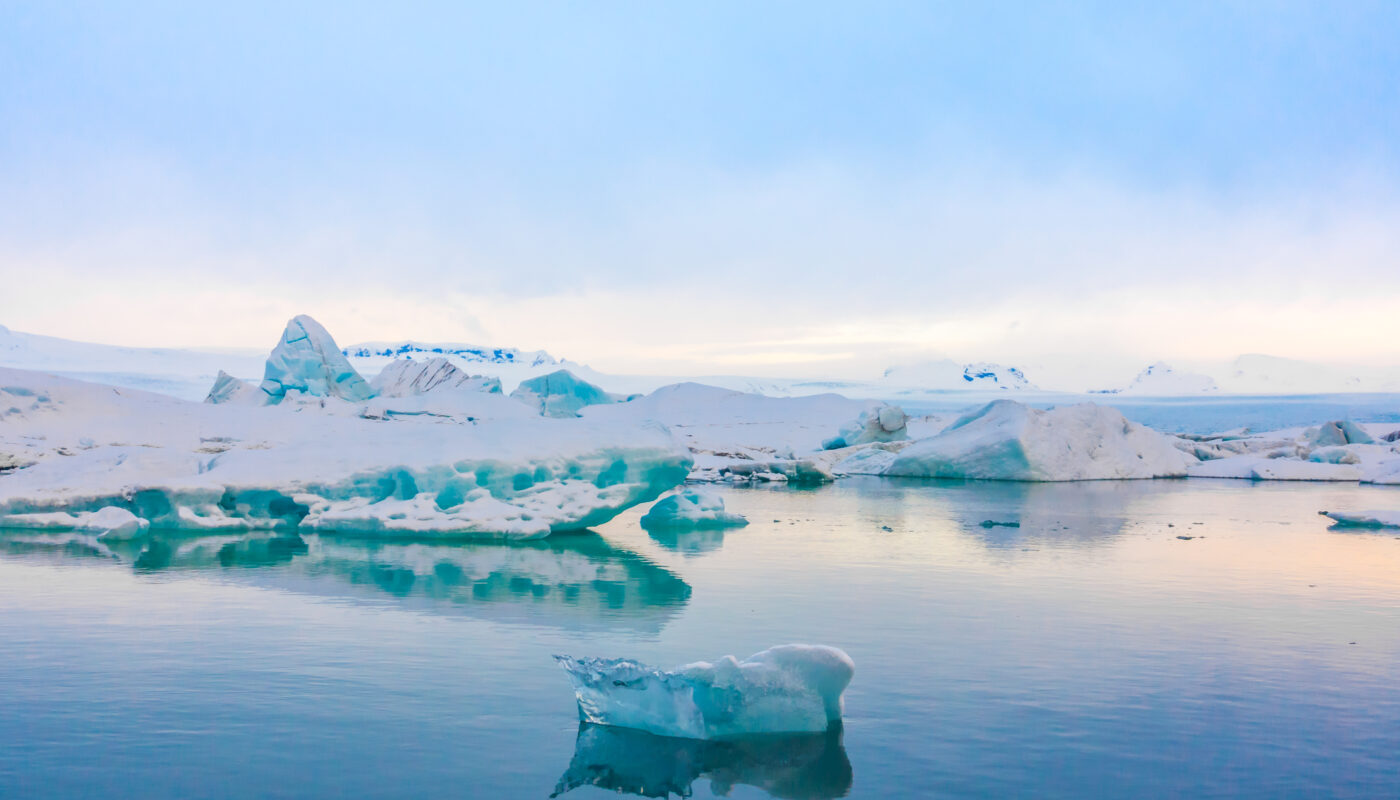
In contrast, an iceberg is a floating piece of freshwater ice that has broken off from a glacier or ice shelf and drifts in the ocean. Icebergs originate from land-based ice but exist in a different environment altogether: they float in water instead of resting on land.
Key Characteristics of Icebergs
- Formation: Icebergs form through calving, when chunks of glacier ice break off into the sea.
- Floating Behavior: Because ice is less dense than water and has around 90% of its bulk submerged below the surface, icebergs float.
- Size: Icebergs vary from small “growlers” to massive tabular icebergs that can be hundreds of meters long.
- Movement: They drift with ocean currents and wind, moving at speeds much faster than glacier flow.
Types of Icebergs
- Tabular Icebergs: Flat-topped, often breaking from ice shelves.
- Pinnacle Icebergs: Jagged, spired formations that resemble mountains.
- Growlers and Bergy Bits: Small fragments of icebergs, mostly submerged, posing hazards to ships.
Icebergs are transient phenomena—they eventually melt in warmer waters, contributing to sea level rise if from land-based ice.
Key Differences Between Glaciers and Icebergs
| Feature | Glacier | Iceberg |
|---|---|---|
| Location | Land | Ocean (after calving) |
| Formation | Accumulated snow compressed into ice | Breaks off from a glacier or ice shelf |
| Movement | Slow flow over land | Drifts with ocean currents |
| Size | Can span kilometers to hundreds of km | Varies from small chunks to massive tabular icebergs |
| Impact | Shapes landscapes, carves valleys | Contributes to ocean freshwater and navigational hazards |
| Permanence | Long-term, lasting centuries or millennia | Temporary, melts in months to years |
While both share ice composition, glaciers are dynamic land features, whereas icebergs are floating fragments derived from glaciers.
How Glaciers and Icebergs Are Connected
The connection between glaciers and icebergs lies in the process of calving. Many icebergs in polar regions, like the Antarctic or Greenland, originate when valley glaciers or ice sheets flow toward the ocean. As the glacier reaches the water, chunks break off due to stress, temperature variations, and buoyancy differences. These calved icebergs then float away, eventually melting and feeding the ocean.
This process makes icebergs indirect indicators of glacier health. Increased calving may suggest glacier thinning or retreat, often linked to climate change. Conversely, slow or minimal iceberg production can indicate glacier stability.
Why Glaciers Are More Than Just Big Icebergs
Understanding glaciers as more than “big icebergs” is crucial because glaciers perform essential environmental functions that icebergs alone cannot:
1. Freshwater Storage
Glaciers store about 69% of the world’s freshwater. Many communities depend on glacial meltwater for drinking water, irrigation, and hydroelectric power. Icebergs contribute freshwater only temporarily, mostly after melting in oceans.
2. Landscape Formation
Glaciers sculpt mountains, carve valleys, and create fjords. The unique U-shaped valleys and moraines seen in Norway, New Zealand, and the Alps are the result of glacial erosion over millennia. Icebergs do not influence land formation.
3. Climate Indicators
Glaciers are sensitive to temperature changes and provide critical data on global warming and climate trends. Icebergs provide limited climate data because they quickly melt in the ocean.
4. Ecosystem Support
Glacial rivers feed freshwater ecosystems, support fish populations, and create habitats downstream. Icebergs impact marine life locally but do not support terrestrial ecosystems.
Common Misconceptions About Glaciers and Icebergs
- “Glaciers are just big icebergs.”
False. Glaciers are land-based ice masses; icebergs are detached, floating ice pieces. - “All icebergs come from glaciers.”
Mostly true, though some originate from ice shelves extending into the sea. - “Glaciers are stationary.”
False. Glaciers are constantly moving, albeit slowly, reshaping the landscape. - “Icebergs are permanent.”
False. Icebergs eventually melt, sometimes after months or a few years.
The Role of Climate Change
Climate change affects both glaciers and icebergs:
- Glaciers are retreating worldwide, with the Himalayas, Andes, and Alps losing significant mass. This impacts freshwater availability and increases calving rates.
- Icebergs are forming in greater numbers in some regions due to accelerated glacier melting. While spectacular for photographers, this also contributes to sea level rise.
- Monitoring glaciers provides critical climate data, while iceberg tracking helps study ocean currents and melting rates.
Glacier and Iceberg Photography Tips
Both glaciers and icebergs offer incredible photography opportunities, but the techniques differ slightly:
Glaciers
- Use wide-angle lenses for expansive landscapes.
- Capture crevasses and textures for detail.
- Early morning or late evening light emphasizes depth and color.
Icebergs
- Drone photography provides aerial perspectives.
- Use reflections in calm waters for dramatic compositions.
- Watch weather patterns—mist and low clouds can add mood.
Safety is paramount for both—glaciers require proper footwear and equipment, while icebergs demand caution around melting or unstable floating ice.
Conclusion
Glaciers and icebergs may appear similar at first glance, but they are distinct natural features with unique origins, behaviors, and environmental roles. Glaciers are massive, dynamic ice rivers on land, shaping landscapes, storing freshwater, and offering insight into climate change. Icebergs are temporary, floating fragments, born from glaciers through calving and drifting in oceans.
Understanding the difference is crucial for appreciating the importance of glaciers to ecosystems, human societies, and the planet as a whole. While icebergs may capture attention with their dramatic beauty, it is the glaciers behind them that sustain life, sculpt the Earth, and tell the story of our changing climate.