 by
by Glaciers, vast rivers of ice slowly moving across valleys and mountains, are among Earth’s most striking natural features. But beyond their breathtaking landscapes, glaciers are essential reservoirs of freshwater. Covering about 10% of the world’s land area, they hold roughly 69% of the planet’s freshwater — a staggering proportion that underscores their importance to ecosystems, human populations, and global water cycles. In an age of climate change and increasing water stress, understanding glaciers’ role in freshwater supply has never been more critical.
What Are Glaciers?
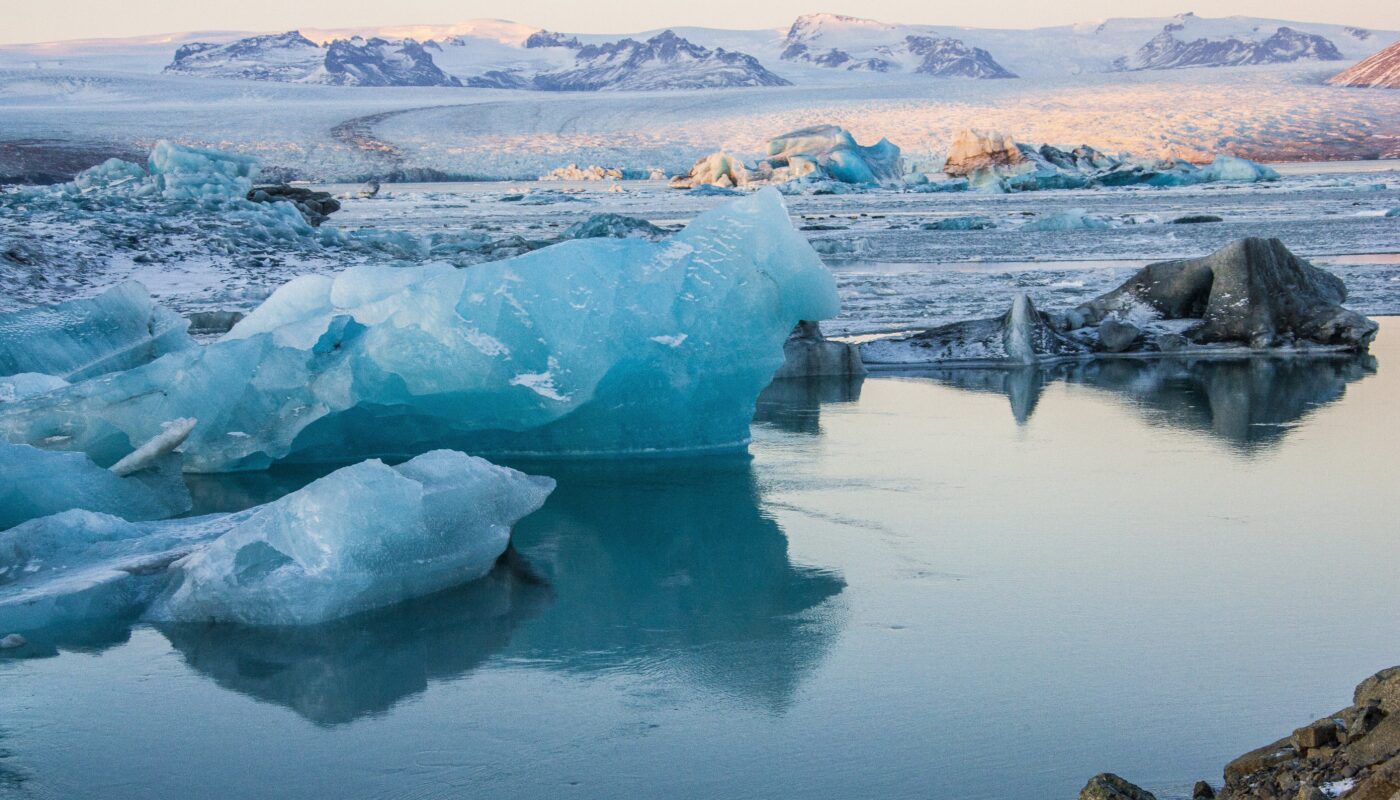
A glacier is a mass of ice formed over centuries from compressed snow. The weight of accumulated snow compacts the lower layers into dense ice, which gradually flows downhill under its own weight. Glaciers are dynamic: they grow when snowfall exceeds melt and retreat when melting outpaces accumulation.
There are two main types:
- Alpine (or mountain) glaciers – Found in high-altitude regions, often confined to valleys. Examples include the Alps in Europe, the Rockies in North America, and the Himalayas in Asia.
- Ice sheets – Massive, continent-spanning glaciers such as those in Greenland and Antarctica, which contain the majority of Earth’s glacial ice.
Glaciers are more than frozen landscapes; they are living, flowing systems integral to global freshwater balance.
The Role of Glaciers in the Global Water Cycle
Glaciers act as natural reservoirs, storing water in frozen form and releasing it slowly through melting. This process has several key impacts:
1. Sustaining River Systems
Glacial meltwater feeds many of the world’s largest rivers. In the dry seasons or during periods of low rainfall, this meltwater maintains river flow, supporting agriculture, drinking water supplies, and hydroelectric power. For example:
- The Ganges, Indus, and Brahmaputra rivers in South Asia rely heavily on Himalayan glaciers.
- The Colorado and Columbia rivers in North America receive meltwater from Rockies’ glaciers.
- The Andes provide vital runoff to rivers such as the Maule and Santa rivers in Chile and Peru.
Without glaciers, these rivers would be far less reliable, and millions of people could face water scarcity.
2. Regulating Seasonal Water Supply
Glaciers act as buffers against seasonal variation. Snowfall accumulates in winter and releases as meltwater in summer, maintaining steady water flow when rainfall is minimal. This natural regulation supports ecosystems and agriculture, particularly in regions with strong seasonal shifts in precipitation.
3. Feeding Groundwater Systems
Glacial melt contributes to the replenishment of aquifers. Water that infiltrates soil from glacial streams eventually recharges underground reservoirs, supporting wells and springs that are critical for communities far from rivers or lakes.
Glaciers and Climate Change: A Growing Threat
Glaciers are extremely sensitive to climate changes. Rising global temperatures have caused accelerated glacial melting worldwide, threatening freshwater supplies:
- Himalayas: Many glaciers are shrinking at unprecedented rates, jeopardizing water supply for nearly 1.3 billion people in South and Southeast Asia.
- Andes: Glaciers in Peru and Bolivia are retreating rapidly, impacting irrigation, hydropower, and drinking water for cities like Lima.
- Alaska and Greenland: Ice sheet melt contributes not only to local freshwater changes but also to sea-level rise, indirectly affecting coastal freshwater resources.
Glacial retreat alters seasonal water availability, increases the risk of floods during rapid melt, and threatens long-term water security in glacier-dependent regions.
The Importance of Glacial Meltwater for Agriculture
Agriculture is one of the largest consumers of freshwater worldwide. In regions where rainfall is seasonal or erratic, glacial meltwater serves as a reliable source of irrigation. For instance:
- Nepal and northern India: Farmers depend on Himalayan meltwater for rice, wheat, and vegetable cultivation.
- Chile’s Central Andes: Glacial runoff irrigates vineyards and fruit orchards that are essential for both local consumption and export.
- Andean highlands: Small-scale farmers rely on glacial streams for potatoes, quinoa, and other staple crops.
Without glaciers, agricultural productivity would drop sharply, threatening food security for millions.
Glaciers as Ecosystem Support
Beyond human use, glaciers sustain entire ecosystems:
- Cold-water species: Fish such as salmon and trout rely on glacially fed rivers to spawn.
- Wetlands and estuaries: Wetlands that are home to mammals, birds, and amphibians are preserved by seasonal meltwater.
- Forests and grasslands: Vegetation along glacial streams benefits from steady water input, even in dry months.
When glaciers retreat, these ecosystems experience stress, potentially causing species declines and biodiversity loss.
Glacial Hazards and Opportunities
While glaciers are vital, they also pose risks:
1. Glacial Lake Outburst Floods (GLOFs)
Melting glaciers can form lakes trapped by ice or moraines. If these natural dams fail, sudden floods can devastate downstream communities. The Himalayas, Andes, and Alaska have all witnessed such events in recent decades.
2. Hydro-Potential
Glacial rivers offer opportunities for hydroelectric energy. Chile, Peru, and Norway utilize glacier-fed rivers to produce renewable power. Careful management ensures that energy needs do not compromise water security or ecosystems.
Innovative Approaches to Glacier Management
To address shrinking glaciers and changing freshwater supplies, scientists and policymakers are exploring solutions:
- Early Warning Systems: Monitoring glacial lakes for potential floods can save lives.
- Water Storage: Building reservoirs to capture glacial melt during summer ensures year-round supply.
- Climate Mitigation: Reducing greenhouse gas emissions slows glacier loss, securing freshwater for the future.
- Community-Based Management: Local communities in glacier-fed regions manage water collaboratively to balance agriculture, consumption, and environmental needs.
Global Examples of Glacial Water Dependence
Himalayas – “The Water Tower of Asia”
Often called the “Third Pole,” the Himalayas store more ice than any place outside the Arctic and Antarctica. Glacial meltwater feeds rivers that sustain billions in India, Pakistan, Nepal, Bhutan, and Bangladesh. Seasonal shifts in meltwater profoundly affect agriculture, hydropower, and drinking water.
Andes – South America’s Lifeline
In Peru, Bolivia, and Chile, glaciers feed rivers in otherwise arid regions. In cities like Lima, which receives less than 50 mm of rain annually, glacial runoff provides a lifeline to residents and agriculture.
Alaska and Greenland
Melting glaciers here contribute to global sea-level rise but also feed local communities and ecosystems. Freshwater from ice sheets supports fish populations and maintains estuarine habitats critical for biodiversity.
The Future of Glaciers and Freshwater
As climate change progresses, glacier retreat will have cascading effects:
- Water Scarcity: Regions that depend on seasonal meltwater may face droughts.
- Hydropower Variability: Reduced glacial flow affects electricity generation.
- Ecosystem Stress: Wetlands, rivers, and forests that rely on glacial inputs may shrink or disappear.
- Global Sea-Level Rise: Glacial melt contributes to coastal flooding, indirectly impacting freshwater resources through saltwater intrusion.
Scientists emphasize that protecting glaciers is not just about preserving ice — it is about securing freshwater for millions of people and countless ecosystems.
Conclusion
Glaciers are more than majestic landscapes; they are the Earth’s frozen reservoirs, crucial for sustaining freshwater supply worldwide. From feeding rivers and replenishing aquifers to supporting agriculture, ecosystems, and hydroelectric power, glaciers underpin life in multiple dimensions. However, climate change is shrinking these icy giants at alarming rates, threatening water security for billions.
Understanding glaciers’ role in the global water system is a critical first step toward safeguarding freshwater. Through climate mitigation, responsible water management, and scientific monitoring, humanity can work to preserve these natural guardians of life. The world’s glaciers may be slow-moving, but their influence is rapid, profound, and indispensable — a true testament to the delicate balance of our planet’s water cycle.