 by
by Alaska is often described as the Last Frontier, a land of towering mountains, vast tundra, and dramatic coastlines. Yet among its most defining and awe‑inspiring features are its glaciers — frozen rivers of ice that shape valleys, feed rivers and fjords, and tell the story of Earth’s climatic past. From the massive ice fields of the south to tidewater giants that calve icebergs into fjords, Alaska’s glaciers offer a window into both natural beauty and dynamic change.
This regional guide will explore Alaska’s glaciers in depth: where they are found, how they form and behave, what makes them unique, the best ways to visit, and why they matter to science and culture.
What Is a Glacier — and Why Alaska Has So Many
Defining a Glacier
A glacier is a sizable body of ice that develops on land as a result of years of snow accumulation and compaction. Unlike sea ice or icebergs, glaciers are born on land and flow under their own weight. Over time, gravity and pressure cause glaciers to move — carving landscapes and transporting ice from higher elevations to lower valleys or, in some cases, directly into the sea.
Why Alaska’s Glaciers Are Significant
Alaska contains more glaciers than any other U.S. state and hosts some of the largest ice fields in North America. The combination of cold climates, heavy snowfall, and mountainous terrain — especially in southern and southeastern Alaska — allows enormous glaciers to form and endure. From the remote Brooks Range and Arctic coast to the coastal fjords near Juneau, Alaska’s ice is both diverse and dynamic.
The Main Glacier Regions of Alaska
Alaska’s glaciers can be organized into several distinct regions, each with its own geological setting, climate influences, and visitor access.
1. The Alaska Range and Interior Glaciers
The Alaska Range
This vast mountain chain stretches more than 600 miles across the central part of the state, home to Denali (formerly Mt. McKinley) — North America’s highest peak. While the Alaska Range is best known for its towering summits, it also contains numerous glaciers that flow down steep valleys.
- Shelf Glacier and Traleika Glacier are examples of glaciers originating high on Denali’s flanks.
- These glaciers feed braided rivers that sustain interior ecosystems.
The interior region is generally colder and drier than coastal Alaska, resulting in slower‑moving, land‑based glaciers that are less likely to calve icebergs than their coastal counterparts.
2. The Wrangell and Chugach Mountains
South of the Alaska Range, the massive Wrangell–St. Elias and Chugach mountain systems harbor some of the most extensive glaciation in North America.
Wrangell–St. Elias National Park
This UNESCO World Heritage site combines rugged peaks with massive icefields such as:
- Bagley Icefield, one of the largest ice masses outside the polar regions.
- Hubbard Glacier, a fast‑moving tidewater glacier notable for episodic advances that can temporarily block fjords.
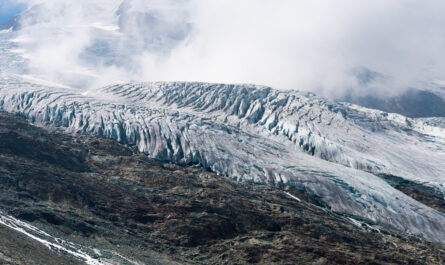
The icefields here feed dozens of outlet glaciers — long, flowing arms of ice that snake between mountains before melting into rivers and lakes.
Chugach Mountains and Prince William Sound
The Chugach region receives intense precipitation from the Gulf of Alaska, resulting in spectacular glaciation. Glaciers like Childs Glacier and Meares Glacier spill into fjords and bays — perfect for viewing from sea level.
3. Southeast Alaska and the Inside Passage
This temperate coastal region features rainforest ecosystems, deep fjords, and glaciers fed by abundant snowfall.
- One of the most popular tourist destinations in the state is Mendenhall Glacier, which may be reached by short walks and observation platforms close to Juneau.
- Aialik Glacier, Holgate Glacier, and Ruth Glacier are among several accessible from boat tours in Kenai Fjords National Park.
Southeast Alaska’s glaciers are particularly impressive because many of them are tidewater glaciers — glaciers that end in the sea and periodically calve icebergs.
4. Northern Alaska and the Brooks Range
In stark contrast with the lush south, the far north is cold and dry.
- Brooks Range glaciers are smaller but ancient, remnants from past colder periods.
- These glaciers are important for scientific research, especially in climate studies and Arctic ecology.
Although not as dramatic as the coastal giants, northern glaciers provide crucial insights into Earth’s cryosphere and polar environments.
How Glaciers Form and Change
The Basics of Glacier Formation
Glaciers begin with snow accumulation. Over years and centuries:
- Snow compresses under its own weight.
- Air is squeezed out, turning snow into granular firn.
- Continued compression transforms firn into glacial ice.
Once the ice mass becomes thick and heavy enough, gravity causes it to flow slowly downhill.
Types of Glaciers
- Valley Glaciers: Long ribbons of ice flowing down mountain valleys.
- Icefields and Ice Caps: Broad expanses of ice covering high ground, feeding multiple outlet glaciers.
- Tidewater Glaciers: Valey glaciers that reach the sea and shed icebergs.
- Piedmont Glaciers: When valley glaciers spill onto flat plains and spread.
Alaska features examples of all these glacier types, making it a premier natural classroom for understanding glacial geology.
Glacier Dynamics: Advance, Retreat, and Calving
Glaciers are not static. Their behavior reflects a balance between snow accumulation and ice loss:
- Advance occurs when snowfall and ice growth exceed melting.
- Retreat happens when melting and calving outpace accumulation.
Most of Alaska’s glaciers have been in net retreat over the past century due to warming temperatures. However, behavior can vary locally — for example, Hubbard Glacier has shown periods of advance or stability despite broader warming trends.
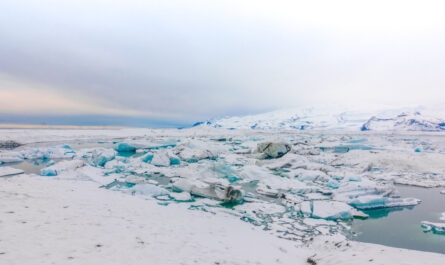
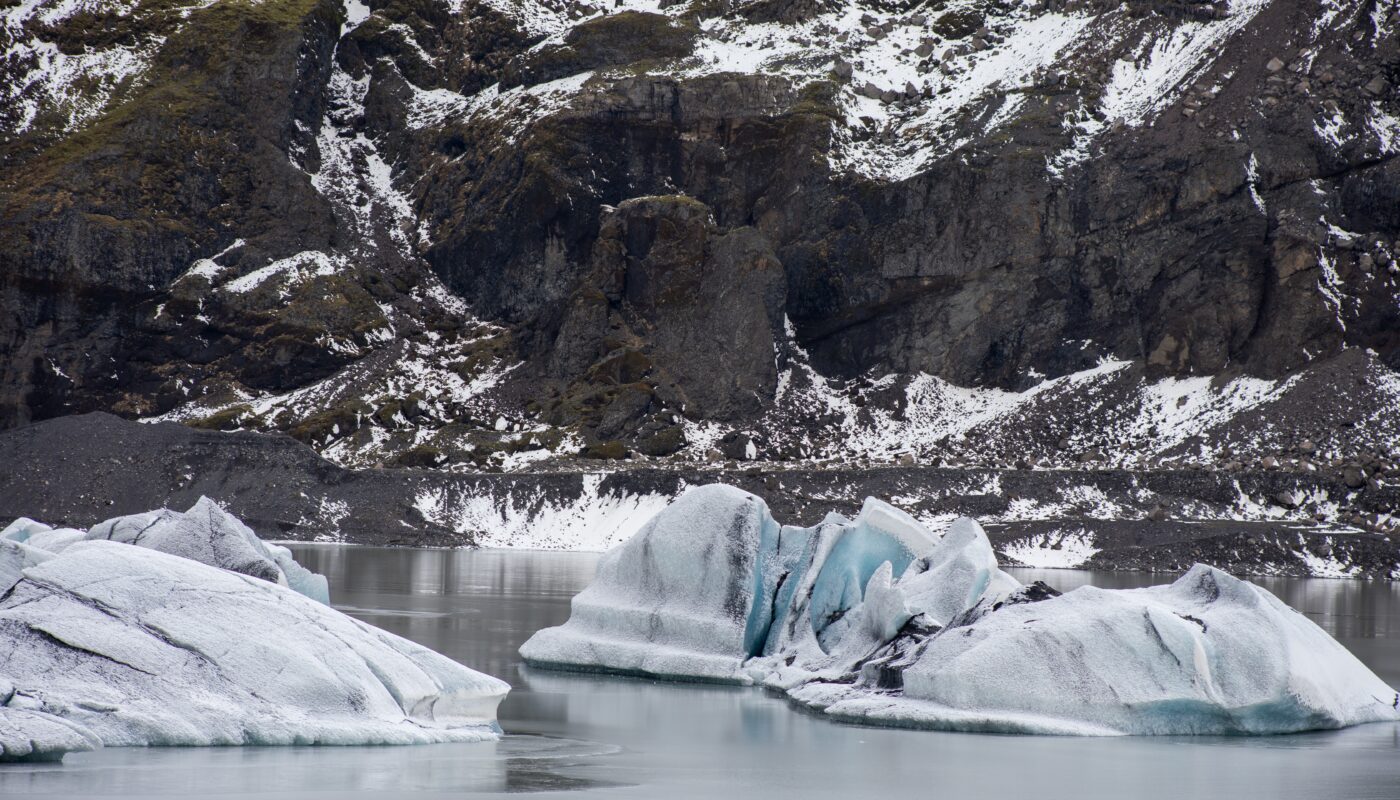
Tidewater calving — the breaking off of ice chunks from glacier fronts — is a dramatic and defining feature of coastal glaciers, producing icebergs that float in fjords before melting.
Wildlife and Ecosystems Around the Ice
Glaciers influence surrounding ecosystems in remarkable ways:
Marine Life
Where glaciers meet the sea, nutrient‑rich waters support:
- Seals and Sea Otters
- Whales, including humpback and orca
- Sea birds like puffins and kittiwakes
Calving events stir up water and nutrients, sustaining plankton blooms that form the base of rich food webs.
Terrestrial Life
Glacial melt feeds rivers and wetlands that support:
- Bears
- Moose
- Salmon runs, which in turn sustain avian and terrestrial predators
These dynamic landscapes — where ice, water, and land meet — are critical habitats for Alaska’s iconic wildlife.
Visiting Alaska’s Glaciers: Best Experiences by Region
Southcentral Alaska
Kenai Fjords National Park is one of the most accessible glacier destinations.
- Tidewater glaciers can be seen up close on boat cruises departing from Seward.
- Hiking trails provide glacier overlooks and scenic vistas.
Don’t miss Exit Glacier, one of the few Alaskan glaciers accessible by road and marked trails.
Southeast Alaska and Inside Passage
Cruises and small‑boat excursions from Juneau, Ketchikan, and Sitka open the doors to:
- Mendenhall Glacier
- LeConte Glacier
- Aialik Glacier
Helicopter rides and guided kayaking excursions offer perspective and adventure.
Wrangell–St. Elias National Park
This wilderness area is ideal for backcountry travelers:
- Flightseeing tours offer aerial views of vast icefields.
- Multi‑day trekking brings visitors deep into glacier country.
- Remote and pristine, this region rewards those seeking solitude and scale.
Arctic Alaska
Visiting northern glaciers requires planning and often specialized tours:
- Brooks Range tracts
- Arctic coastal ice fields
These regions are best explored with experienced outfitters specializing in Arctic expeditions.
Safety Tips for Glacier Travel
Alaska’s glaciers are beautiful — but they can be dangerous:
- Crevasses: Deep cracks hidden by snow bridges.
- Unstable Ice: Ice cliffs and seracs can collapse without warning.
- Cold Water: Fjord and glacial lakes are frigid year‑round.
- Weather: Rapidly changing conditions demand proper gear and preparation.
Visitors should always:
- Travel with experienced guides in hazardous areas.
- Wear appropriate clothing and footwear.
- Use glacier safety equipment when trekking on ice.
Respecting the power of nature keeps experiences both safe and unforgettable.
The Cultural and Scientific Importance of Alaska’s Glaciers
Indigenous Connections
For thousands of years, Alaska’s Native peoples — including the Tlingit, Yup’ik, Athabascan, and others — have lived alongside glaciers. These ice landscapes are woven into stories, survival strategies, and deep cultural memories.
Scientific Research
Glaciers are more than scenic icons — they are climate archives. Ice holds trapped air bubbles and chemical signals that help scientists reconstruct past atmospheric conditions. Monitoring glacier change also provides critical insights into:
- Global sea‑level rise
- Hydrological cycles
- Regional climate trends
Alaska’s glaciers are thus both subjects of study and sentinels of environmental change.
Why Alaska’s Glaciers Matter to the World
Alaska’s glaciers shape landscapes, nurture ecosystems, and influence global processes. They:
- Provide fresh water to rivers and aquifers.
- Support marine and terrestrial food webs.
- Influence coastlines and sea levels.
- Tell the story of climate history.
Their retreat — visible and undeniable — underscores the global reality of climate change, motivating scientists and citizens alike to understand and protect the natural world.
Final Thoughts
The glaciers of Alaska are among Earth’s most spectacular natural features — living sculptures of ice that connect past and present, water and land, science and culture. Whether viewed from the air, explored by foot or boat, or studied in research labs, they continue to captivate and inspire.
From colossal icefields in Wrangell–St. Elias to the tidewater giants of Kenai and southeast Alaska, each glacier has a story — of formation, movement, impact, and change. For travelers, researchers, and curious minds, Alaska’s glaciers remain one of the most extraordinary and enduring wonders of the natural world.