 by
by Antarctica is a land of extremes — the coldest, driest, and windiest continent on Earth. Yet beneath its stark white landscapes lies a remarkable frozen world of glaciers and ice systems that are not only majestic to behold but also vital to understanding our planet’s climate and oceans. Covering nearly 14 million square kilometers, Antarctica holds around 90% of the world’s freshwater, locked within its vast ice sheets and glacier networks. These ice systems are central to global sea levels, ocean currents, and even weather patterns far from the polar regions.
Exploring Antarctica’s glaciers requires a deep understanding of their structure, dynamics, and environmental significance. From colossal ice sheets to floating shelves, Antarctica’s frozen systems are diverse and interconnected, forming a dynamic environment that is constantly reshaping the continent and influencing the globe.
The Foundations: Ice Sheets of Antarctica
The backbone of Antarctica’s glacial system is its ice sheets, immense layers of ice formed over millions of years. These ice sheets are divided into two primary regions:
1. East Antarctic Ice Sheet (EAIS)
The East Antarctic Ice Sheet is the largest and most stable ice body on the continent. Its thick, dome-like structure stretches across the eastern half of Antarctica, with ice depths averaging nearly 1,800 meters and reaching over 4,000 meters in some locations. Over millennia, snowfall accumulated and compacted into solid ice, burying mountains and valleys beneath kilometers of frozen water.
The EAIS contains an estimated 30 million cubic kilometers of ice, enough to raise global sea levels by more than 50 meters if fully melted. Despite its historical stability, scientists are monitoring subtle changes in its edges, as even small shifts could have long-term impacts on global climate and sea levels.
2. West Antarctic Ice Sheet (WAIS)
Unlike the East, the West Antarctic Ice Sheet is smaller, thinner, and far more dynamic. Much of its ice rests on bedrock below sea level, making it especially vulnerable to ocean warming. The WAIS drains into the Amundsen Sea and surrounding bays through fast-moving glaciers that transport ice toward floating shelves.
The marine-based nature of the WAIS means that warming waters can erode its ice from beneath, destabilizing glaciers and accelerating ice flow. This makes West Antarctica one of the most sensitive regions to climate change on the planet.
Types of Glaciers in Antarctica
Antarctica’s glacial systems are not uniform. They consist of several distinct types of ice structures, each with unique characteristics:
Ice Sheets
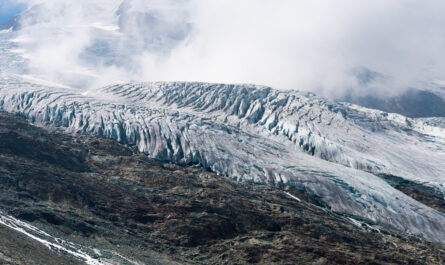
Ice sheets are the massive, continent-spanning bodies of ice that define Antarctica. They cover thousands of square kilometers and are thick enough to depress the land beneath them. Ice sheets grow through accumulation of snow and flow outward under gravity, feeding smaller glaciers, ice streams, and shelves. Their movement is slow but relentless, carving valleys and shaping the underlying terrain.
Ice Streams and Outlet Glaciers
Within the ice sheets are ice streams, fast-flowing corridors of ice that transport the majority of ice from the interior to the coast. They are bounded by slower-moving ice and can reach speeds of several kilometers per year. Outlet glaciers, which emerge from these ice streams, act as natural conduits, channeling ice through mountains or toward the ocean.
Notable examples include Pine Island Glacier and Thwaites Glacier, both of which are experiencing rapid thinning and retreat due to warmer ocean currents undercutting their floating ice fronts.
Ice Shelves
Ice shelves are floating extensions of grounded glaciers and ice sheets. They act as natural barriers, slowing the movement of inland ice. Major ice shelves include the Ross Ice Shelf and the Filchner-Ronne Ice Shelf, both of which are massive platforms extending hundreds of kilometers into the ocean.
The stability of these shelves is crucial: if an ice shelf collapses, the glaciers it restrains can accelerate dramatically, contributing to sea level rise.
Glacier Tongues and Marine-Terminating Glaciers
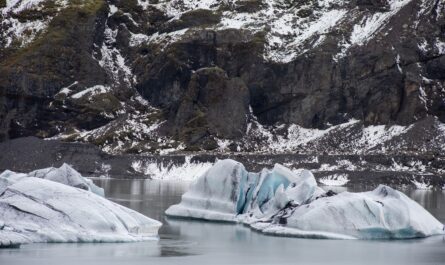
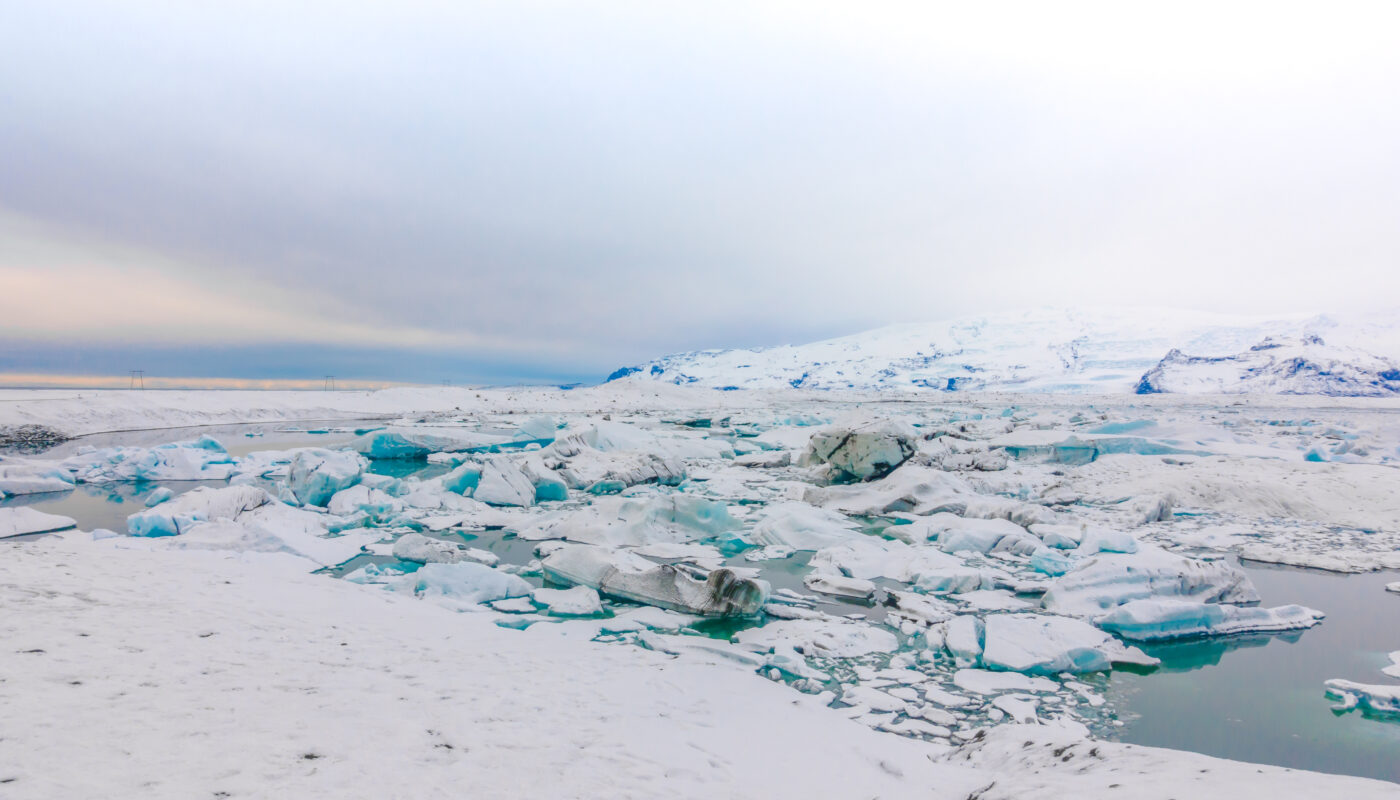
Some glaciers extend as long floating tongues into the ocean, such as the Erebus Glacier Tongue. Marine-terminating glaciers interact directly with seawater, making them highly sensitive to changes in ocean temperature. Calving — the process of ice breaking off into icebergs — occurs regularly, releasing massive chunks of ice into the surrounding seas.
The Role of Antarctica’s Glaciers in Global Systems
Antarctica’s glaciers influence the planet far beyond the polar circle:
- Sea Level Regulation
The continent holds most of the planet’s ice. Even minor ice loss contributes to rising sea levels. Current observations of thinning glaciers in West Antarctica show measurable contributions to global sea levels, signaling the urgency of monitoring these systems. - Climate Influence
Ice sheets reflect solar radiation due to their high albedo, helping to cool the planet. They also influence wind patterns and ocean currents, which in turn affect climate and weather worldwide. - Freshwater Storage
Antarctica contains vast freshwater reserves, more than any other region on Earth. This frozen store acts as a buffer against climate extremes and plays a role in long-term environmental stability.
Glacier Dynamics: How Ice Moves
Glacier movement is governed by multiple factors:
- Gravity and Slope: Ice naturally flows downhill under its weight, from thicker central regions to thinner edges.
- Temperature and Meltwater: Warmer ice or the presence of meltwater at the base reduces friction, speeding up movement.
- Calving Events: Ice breaking off at glacier termini reduces resistance, causing upstream ice to accelerate.
- Ocean Interactions: Warm seawater beneath ice shelves can melt ice from below, destabilizing entire glacial systems.
The combination of these factors means Antarctica’s glaciers are dynamic, sometimes moving faster than previously imagined.
Signs of Change: Antarctica in a Warming World
While Antarctica remains frigid, certain regions are showing signs of rapid change. West Antarctic glaciers like Pine Island and Thwaites have accelerated in recent decades, losing ice at rates much higher than East Antarctica. Ocean warming, thinning ice shelves, and retreating grounding lines all contribute to this phenomenon.
Conversely, some regions of East Antarctica are gaining ice due to increased snowfall, showing that glacial behavior is highly variable and region-dependent.
Scientific Monitoring and Exploration
Studying Antarctica’s glaciers requires innovative techniques:
- Satellite Imaging: Provides high-resolution views of glacier movement and ice loss.
- Airborne Radar and Laser Scanning: Measures ice thickness and surface elevation changes.
- Oceanographic Instruments: Monitor water temperature and currents under ice shelves.
- Field Sensors: Measure ice velocity and basal conditions directly.
These tools allow scientists to track ice changes in real time, helping predict sea level rise and understand glacier responses to climate change.
Experiencing Antarctica
Though remote, Antarctica’s glaciers are not inaccessible. Research stations, guided expeditions, and cruise trips allow scientists and adventurous travelers to witness icebergs, ice shelves, and glacial landscapes firsthand. These experiences highlight the scale, beauty, and fragility of the frozen continent, emphasizing why its protection is globally significant.
Conclusion: Antarctica’s Frozen Legacy
Antarctica’s glaciers — from immense ice sheets to nimble ice streams, floating shelves, and calving glacier tongues — form a complex, dynamic system that shapes not only the continent but the world. They store vast freshwater reserves, influence global climate, and act as indicators of environmental change.
Understanding these ice systems is crucial. As the planet warms, monitoring and studying Antarctica’s glaciers will provide essential insights into future sea levels, climate impacts, and the resilience of Earth’s frozen regions. They are not only scientific treasures but also symbols of our planet’s delicate balance.