 by
by The Himalayas are often called the “roof of the world,” a vast mountain system spanning five countries—India, Nepal, Bhutan, China, and Pakistan. Towering peaks like Mount Everest, K2, and Kanchenjunga dominate the landscape, but beyond their awe-inspiring summits lies another hidden wonder: the glaciers. Often overlooked, these glaciers are collectively referred to as the Third Pole of the Earth, containing the largest reserve of freshwater outside the polar regions. They play a crucial role in feeding rivers, supporting ecosystems, and sustaining millions of people downstream.
This article explores the glaciers of the Himalayas in detail, examining their significance, challenges, scientific importance, and the environmental threats they face.
What Makes the Himalayas the “Third Pole”?
While Antarctica and the Arctic contain the largest ice reserves, the Himalayas are home to tens of thousands of glaciers, covering approximately 33,000 square kilometers. The region earns the name Third Pole because of its vast ice mass and its influence on global climate patterns.
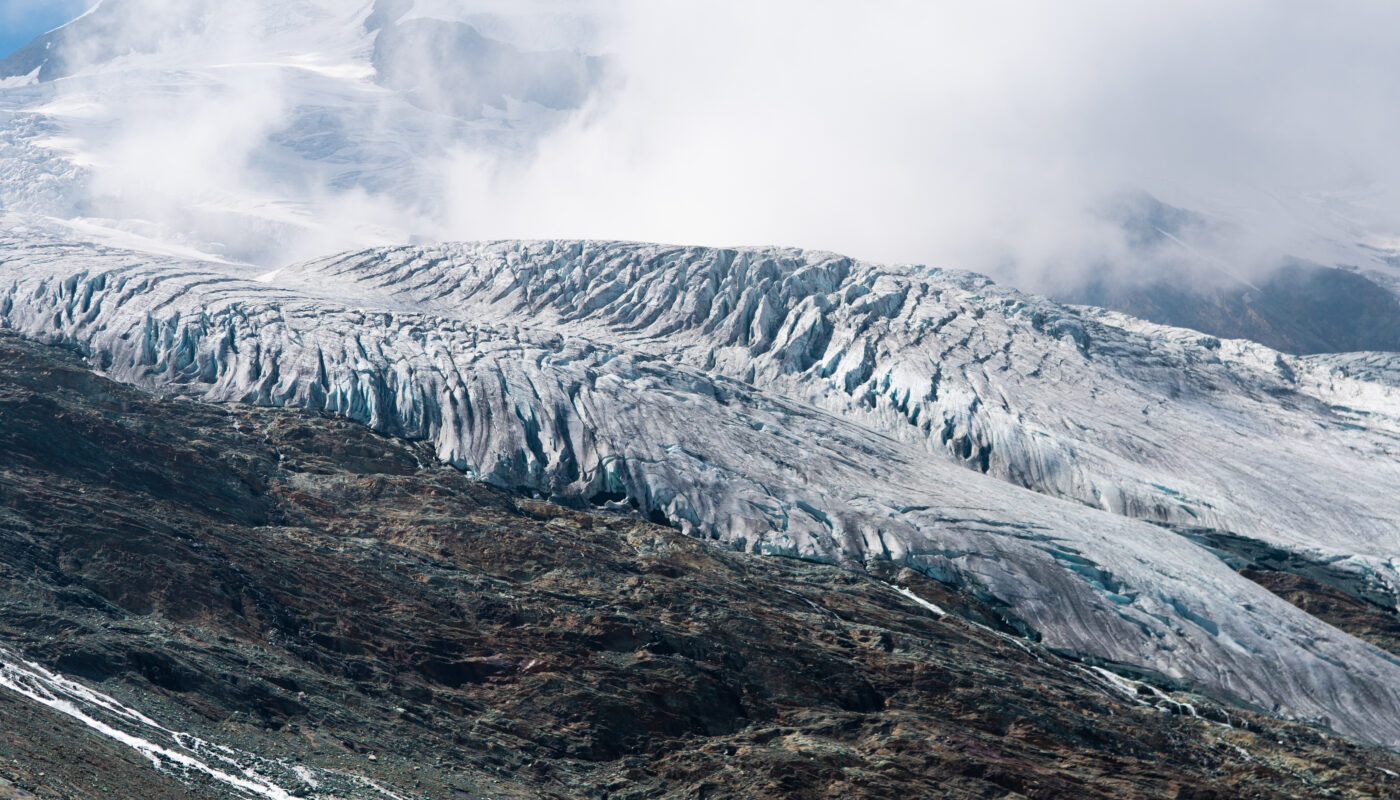
Unlike polar glaciers, Himalayan glaciers are high-altitude mountain glaciers, sensitive to changes in temperature and precipitation. Their meltwater contributes to some of Asia’s largest river systems, including the Ganges, Brahmaputra, Indus, and Mekong.
Key Himalayan Glaciers
The Himalayas feature a diverse range of glaciers, from massive valley glaciers to small alpine ice fields. Some of the most notable include:
1. Siachen Glacier
- Location: Eastern Karakoram, India-Pakistan border
- Length: 76 kilometers (one of the longest outside polar regions)
- Significance: The Siachen Glacier feeds the Nubra River and supports surrounding ecosystems. It is also geopolitically sensitive due to territorial disputes.
2. Gangotri Glacier
- Location: Uttarakhand, India
- Length: Approximately 30 kilometers
- Significance: Source of the Bhagirathi River, a primary tributary of the Ganges. Gangotri is central to Hindu culture and pilgrimage.
3. Baltoro Glacier
- Location: Karakoram, Pakistan
- Length: About 63 kilometers
- Significance: Flows near K2, providing spectacular alpine landscapes. One of the most frequently visited glaciers by mountaineers and trekkers.
4. Khumbu Glacier
- Location: Nepal
- Length: 17 kilometers
- Significance: Located near Mount Everest, it is a critical water source for the Solu-Khumbu region and a major trekking destination.
Each glacier has unique characteristics, reflecting the interplay of altitude, climate, and local geography.
The Role of Himalayan Glaciers in Water Security
The Himalayas are the source of major rivers that sustain nearly 1.5 billion people. Glaciers act as natural reservoirs, storing water in winter and releasing it during summer. This seasonal melt ensures a steady river flow, supporting agriculture, hydropower, and drinking water supplies.
1. Agriculture
- Indus Basin: Fed by Himalayan glaciers, supports wheat, rice, and sugarcane cultivation.
- Ganges Delta: Seasonal meltwater is crucial for irrigating crops during dry months.
2. Hydropower
- Nepal, Bhutan, and India rely heavily on rivers sourced from glaciers to generate hydroelectricity.
- Large dams on the Brahmaputra, Sutlej, and Karnali rivers provide renewable energy for millions.
3. Ecosystem Support
- Glacial melt sustains wetlands, forests, and biodiversity hotspots.
- Aquatic species, migratory birds, and high-altitude flora depend on consistent water flow.
Climate Change and Himalayan Glaciers
The Himalayas are particularly sensitive to climate change, and recent studies reveal alarming trends:
Accelerated Glacier Retreat
- Many Himalayan glaciers are shrinking due to rising temperatures.
- The Gangotri Glacier, for example, has retreated by over 1,500 meters in the past 80 years.
Changes in Seasonal Flow
- Early melting increases river discharge in spring but reduces water availability in summer.
- This disrupts agricultural cycles, hydroelectric generation, and local livelihoods.
Formation of Glacial Lakes
- Rapid melting often leads to glacial lake outburst floods (GLOFs).
- These floods can destroy infrastructure, settlements, and farmland downstream.
The impact of glacier retreat extends beyond local communities, affecting water security for entire nations.
Scientific Importance of Himalayan Glaciers
Himalayan glaciers are a natural laboratory for climate scientists, providing insights into global warming, monsoon patterns, and hydrology.
1. Climate Records
Ice cores extracted from glaciers contain layers of snow and ice that date back hundreds to thousands of years.
- These cores reveal historical temperature changes, precipitation patterns, and atmospheric composition.
2. Hydrological Studies
Scientists monitor glacier mass balance to predict river flows and water availability.
- Understanding melt rates helps manage water resources for agriculture and energy.
3. Biodiversity Research
Glacial regions host specialized plants, microbes, and cold-adapted species.
- Studying these organisms enhances our understanding of adaptation to extreme environments.
Cultural and Spiritual Significance
Many Himalayan glaciers hold deep cultural importance:
- Gangotri Glacier is considered sacred in Hinduism as the origin of the Ganges. Pilgrims undertake treks to the glacier during religious festivals.
- In Tibet and Bhutan, glaciers are associated with local deities and traditional rituals.
- Communities in Nepal rely on glaciers not just for water but as symbols of purity, continuity, and spiritual connection to nature.
Tourism and Adventure
Himalayan glaciers attract trekkers, mountaineers, and researchers alike. Popular glacier treks include:
- Everest Base Camp via Khumbu Glacier: Combines adventure with breathtaking scenery.
- Gangotri Glacier Trek: Offers views of high-altitude icefalls and snow-covered peaks.
- Baltoro Glacier Expeditions: Known for extreme mountaineering near K2.
Tourism contributes to local economies but also requires careful management to minimize environmental impact.
Threats Beyond Climate Change
In addition to rising temperatures, Himalayan glaciers face other threats:
1. Pollution
- Black carbon from vehicles, industries, and cooking fires accelerates ice melt.
- Microplastics have been found in glacial runoff, affecting ecosystems downstream.
2. Infrastructure Development
- Road construction, dams, and hydro projects can destabilize glacial regions.
- Increased tourism can lead to waste accumulation in fragile environments.
3. Geological Hazards
- Landslides, avalanches, and GLOFs pose constant risks.
- Glacial retreat can destabilize slopes, increasing natural disaster vulnerability.
Conservation Efforts
Regional governments, scientists, and NGOs are taking steps to protect Himalayan glaciers:
- Monitoring glacier retreat using satellite imagery and drones.
- Building early warning systems for glacial lake outburst floods.
- Promoting sustainable tourism practices.
- Advocating for reduced carbon emissions to slow climate-induced melting.
International cooperation is also critical, as glacier-fed rivers cross multiple national borders.
The Future of the Third Pole
Himalayan glaciers are a climate bellwether, and their health reflects broader environmental trends. Preserving them is crucial for:
- Water Security: Supporting billions of people in South and Southeast Asia.
- Climate Research: Understanding global warming and monsoon dynamics.
- Cultural Heritage: Maintaining religious and spiritual traditions linked to glaciers.
- Biodiversity: Sustaining high-altitude ecosystems and species.
The melting of Himalayan glaciers is not just a regional issue—it has global implications, affecting oceans, weather patterns, and food security.
Conclusion
The glaciers of the Himalayas, the Third Pole of Earth, are among the planet’s most critical natural resources. Beyond their breathtaking beauty, they sustain rivers, feed ecosystems, and support human civilization across Asia. Yet these glaciers are under serious threat from climate change, pollution, and unsustainable development.
Understanding their importance, monitoring their changes, and implementing conservation measures are essential not only for local communities but also for the global environment. The Himalayas are more than a majestic mountain range—they are a vital reservoir of life and water. Protecting their glaciers is protecting the future of billions of people and countless species that rely on these icy peaks.
In short, the Third Pole is both a natural wonder and a climate warning system, reminding us of the interconnectedness of the planet and the urgent need to act responsibly.