 by
by Far in the north of Greenland, where the Arctic winds sweep across frozen landscapes, lies a glacier that has captured global attention for its extraordinary speed and dynamic behavior. Known locally as Sermeq Kujalleq, Jakobshavn Glacier is widely regarded as the fastest-moving glacier on Earth. Its rapid flow, dramatic calving events, and ongoing retreat make it a critical subject of study for glaciologists and climate scientists alike. This glacier not only offers breathtaking scenery but also provides a window into the broader effects of climate change on the Greenland Ice Sheet and the world’s oceans.
An Overview of Jakobshavn Glacier
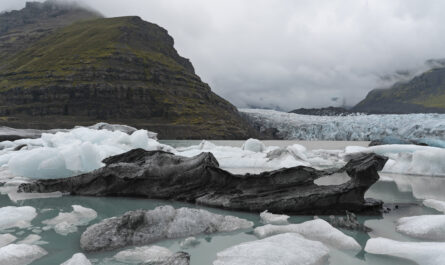
Jakobshavn is one of Greenland’s largest outlet glaciers, channels through which ice drains from the central ice sheet to the ocean. Its drainage basin covers a significant portion of western Greenland, funneling enormous volumes of ice toward the sea. The glacier flows into the Ilulissat Icefjord, a UNESCO World Heritage site, where giant icebergs calve into the water, creating a spectacle of ice, sound, and movement.
What sets Jakobshavn apart from other glaciers is not just its size, but its unprecedented velocity. Unlike typical glaciers, which often creep forward at a few centimeters to a few meters per day, Jakobshavn has been recorded moving several dozen meters daily at its peak. This rapid motion has earned it recognition in scientific literature as the fastest-moving glacier in the world.
Why Jakobshavn Moves So Quickly
Jakobshavn Glacier’s incredible speed results from a combination of geography, ice dynamics, and environmental conditions:
- Steep Bedrock: The glacier sits atop a deeply incised bedrock channel. This steep incline allows the ice to flow rapidly from the interior ice sheet down to sea level.
- Lubrication by Meltwater: Warmer temperatures and meltwater at the glacier’s base reduce friction, enabling the ice to slide more easily toward the fjord.
- Calving at the Terminus: When massive chunks of ice break off at the glacier front, it removes resistance, causing upstream ice to accelerate.
- Warm Ocean Currents: Relatively warm water reaching the glacier’s face can melt ice from below, further destabilizing the glacier and increasing flow speed.
This combination of factors makes Jakobshavn not just fast, but exceptionally sensitive to changes in climate and ocean conditions.
Jakobshavn’s Historical Behavior
Historically, Jakobshavn has undergone significant changes in both speed and position. Satellite data and field studies show that from the mid-19th century until the late 20th century, the glacier’s terminus gradually retreated inland. Beginning in the late 1990s, however, Jakobshavn entered a period of rapid acceleration.
During this time, scientists recorded flow speeds exceeding 17 kilometers per year, a dramatic increase from previous decades. This acceleration coincided with thinning ice, warmer ocean waters, and a reduction of the floating ice tongue at the glacier’s front. These changes illustrate the glacier’s responsiveness to environmental shifts, making it an important indicator of climate trends.
Interestingly, after peaking in the early 2010s, Jakobshavn experienced a modest slowdown due to cooler ocean temperatures temporarily reducing melting at its terminus. However, the glacier continues to retreat and thin overall, demonstrating that short-term fluctuations do not reverse the long-term trend of ice loss.
Impact on Sea Level
Jakobshavn Glacier plays a significant role in global sea level rise. Because it drains a large portion of Greenland’s ice sheet, its melting and calving events contribute directly to the volume of water entering the ocean. During periods of rapid acceleration, Jakobshavn alone contributed measurable fractions of a millimeter per year to global sea levels. While this may seem small, it represents a substantial contribution when combined with the effects of other glaciers and ice sheets worldwide.
Continued monitoring of Jakobshavn is critical. Scientists consider it a bellwether glacier, meaning its behavior provides clues about how other parts of Greenland’s ice sheet might respond to warming temperatures.
Scientific Monitoring and Research
Jakobshavn’s unique behavior has made it a focal point for scientific observation. Researchers employ a variety of tools to track changes in the glacier’s speed, thickness, and calving activity:
- Satellite Imagery: High-resolution satellites capture images of the glacier’s movement over time, allowing precise measurement of flow rates.
- Airborne Laser Scanning: Planes equipped with lasers map the glacier’s surface elevation, revealing thinning and thickening patterns.
- Oceanographic Studies: Instruments measure water temperature and currents in Ilulissat Icefjord to understand how ocean conditions affect calving and flow.
- GPS and Field Instruments: On-the-ground sensors monitor ice velocity and meltwater pathways, providing real-time data for models.
These advanced monitoring techniques have transformed our understanding of glacier dynamics and the connection between climate change and ice sheet behavior.
The Global Significance of Jakobshavn Glacier
Jakobshavn is more than a scientific curiosity; it is a symbol of the broader changes occurring in the Arctic. Its accelerated flow highlights the vulnerability of ice sheets to warming and serves as a visible reminder of how interconnected the world’s systems are.
Studying Jakobshavn informs climate models, improves predictions of sea level rise, and helps policymakers and coastal communities plan for the future. In essence, what happens at Jakobshavn does not stay in Greenland — its effects ripple across the globe.
Experiencing Jakobshavn
For those who travel to Greenland, Ilulissat Icefjord offers a firsthand glimpse of Jakobshavn Glacier’s power. Visitors can witness colossal icebergs calving into the fjord, take boat tours past the glacier front, or hike along the surrounding trails for panoramic views. The experience combines natural beauty, scientific wonder, and a tangible sense of Earth’s dynamic climate.
While tourism must be managed carefully to protect fragile Arctic ecosystems, responsible visitors can see one of the most remarkable glaciers in the world in action.
Looking Ahead
Jakobshavn Glacier is a living, moving monument to the effects of climate change and ice dynamics. Its rapid flow, historical retreat, and ongoing monitoring provide critical insights into the health of Greenland’s ice sheet and global sea level trends.
As the Arctic warms, scientists predict that Jakobshavn and other glaciers may continue to accelerate and lose mass. Understanding these processes today is vital for preparing for the environmental and societal challenges of tomorrow.
In the end, Jakobshavn Glacier is not just a record-holder for speed; it is a warning, a classroom, and a wonder of the natural world. Observing its changes reminds us of both the fragility and resilience of our planet’s ice-covered regions.