Which Countries Are Losing the Most Ice?
 by
by Ice — in the form of glaciers, ice sheets, sea ice, and seasonal snow — plays a vital role in Earth’s climate, water systems, and …
The Global Guide to Glaciers, Climate, and Cryosphere Science
Ice — in the form of glaciers, ice sheets, sea ice, and seasonal snow — plays a vital role in Earth’s climate, water systems, and …
Glaciers are among Earth’s most powerful geological forces — seemingly static rivers of ice that, over centuries and millennia, carve valleys, shape mountains, and transform …
Ice is one of Earth’s most powerful climate regulators. It reflects sunlight, cools oceans, stabilizes weather patterns, and preserves freshwater resources for billions of people. …
Glaciers are among the most powerful symbols of our planet’s climate. These vast rivers of ice, slowly moving across mountains and valleys, are both breathtaking …
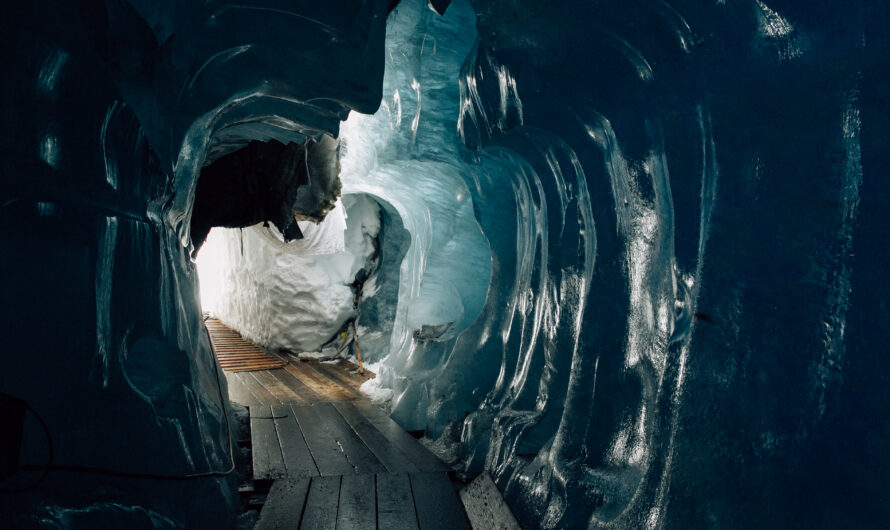
Ice caves are among the most stunning and ephemeral natural wonders on Earth. Their shimmering blue walls, intricate textures, and glowing formations offer photographers a …
Extreme cold environments are often perceived as barren and lifeless, yet nature proves time and again that life finds a way. Microbes thriving in ice …
Across the world’s mountain ranges and polar regions, glaciers have long functioned as natural water towers. These immense reservoirs of ice collect snowfall during cold …
Glaciers are among the most powerful and enduring witnesses to Earth’s climatic past. These massive rivers of ice, slowly flowing over mountains and valleys, are …
Glaciers — slow‑moving rivers of ice sculpted over tens of thousands of years — embody the quiet persistence of nature. Yet beneath their seemingly tranquil …
Glaciers, the majestic rivers of ice carved over millennia, are among nature’s most awe-inspiring spectacles. From the soaring peaks of the Alps to the rugged …