 by
by Nestled in the southern reaches of Argentina’s Patagonia region, the Perito Moreno Glacier is often described as one of the most spectacular natural wonders in the world. Part of the Southern Patagonian Ice Field — the third-largest reserve of fresh water on the planet — this glacier captivates visitors with its immense scale, dynamic behavior, and striking beauty. Unlike many glaciers worldwide that are steadily retreating, Perito Moreno is remarkable for its relative stability, making it a rare living example of ice in motion.
This guide explores what makes the Perito Moreno Glacier extraordinary, its fascinating natural processes, how visitors can experience it, and why it continues to mesmerize scientists and travelers alike.
Where Is the Perito Moreno Glacier?
The Perito Moreno Glacier is located in Los Glaciares National Park in Argentina’s Santa Cruz Province, near the town of El Calafate. It is nourished by the enormous Southern Patagonian Ice Field, which covers more than 13,000 square kilometers in Argentina and Chile, and is located at the southernmost point of the Andes.
The glacier stretches approximately 30 kilometers (19 miles) in length, covers 250 square kilometers, and reaches heights of up to 70 meters (230 feet) above Lake Argentino’s surface, making it an imposing natural spectacle visible from afar. Its sheer size, combined with its accessibility, makes it one of the few massive glaciers that people can observe closely without specialized mountaineering equipment.
What Makes Perito Moreno Glacier Extraordinary?
Perito Moreno Glacier is exceptional for several reasons, which together create an unforgettable experience for visitors:
1. Dynamic Movement
Most glaciers worldwide are retreating due to climate change, but Perito Moreno is relatively stable. Its forward movement is remarkable: the glacier advances around 2 meters (6.5 feet) per day on average. This movement is not only impressive to witness but also contributes to one of its most dramatic natural phenomena — periodic ruptures.
Every few years, the glacier advances enough to dam the Lago Argentino, forming a natural ice barrier. Water pressure builds behind the dam until it dramatically bursts, releasing a spectacular torrent. This rupture, often accompanied by thunderous ice collapses, attracts crowds from around the globe and highlights the glacier’s vitality.
2. Accessibility
Unlike many glaciers in remote polar regions, Perito Moreno is easily accessible from El Calafate, just a two-hour drive away. The park provides well-maintained walkways and viewing platforms that allow visitors to experience the glacier from multiple angles. Visitors can witness the jagged ice cliffs, deep crevasses, and sparkling blue surfaces without the need for climbing gear.
This combination of accessibility and grandeur makes Perito Moreno an ideal destination for travelers seeking a dramatic encounter with one of Earth’s most extraordinary glaciers.
3. Stunning Color and Ice Formations
The glacier’s ice is not just vast — it is also strikingly beautiful. The ice displays a spectrum of colors from pure white to deep turquoise blue. This variation is due to the way light interacts with dense ice: older, compressed ice absorbs longer wavelengths of light, scattering shorter blue wavelengths, creating the vibrant blue hues that are iconic to Patagonian glaciers.
The surface is riddled with crevasses, seracs, and pinnacles, sculpted by centuries of slow movement, melting, and refreezing. These jagged structures make the glacier look like a frozen cityscape, constantly reshaped by natural forces.
4. Wildlife and Environment
Los Glaciares National Park surrounding the glacier is rich in wildlife. Visitors may spot Andean condors soaring above, guanacos grazing near the park’s edges, and occasional sightings of native waterfowl on the lakes. The park’s unique ecosystem, with its combination of ice, mountains, and forests, creates a rare setting where glaciology and biodiversity coexist.
The Science Behind Perito Moreno Glacier
Perito Moreno is a tidewater glacier, meaning it terminates in a body of water — in this case, Lago Argentino. Tidewater glaciers are subject to unique dynamics:
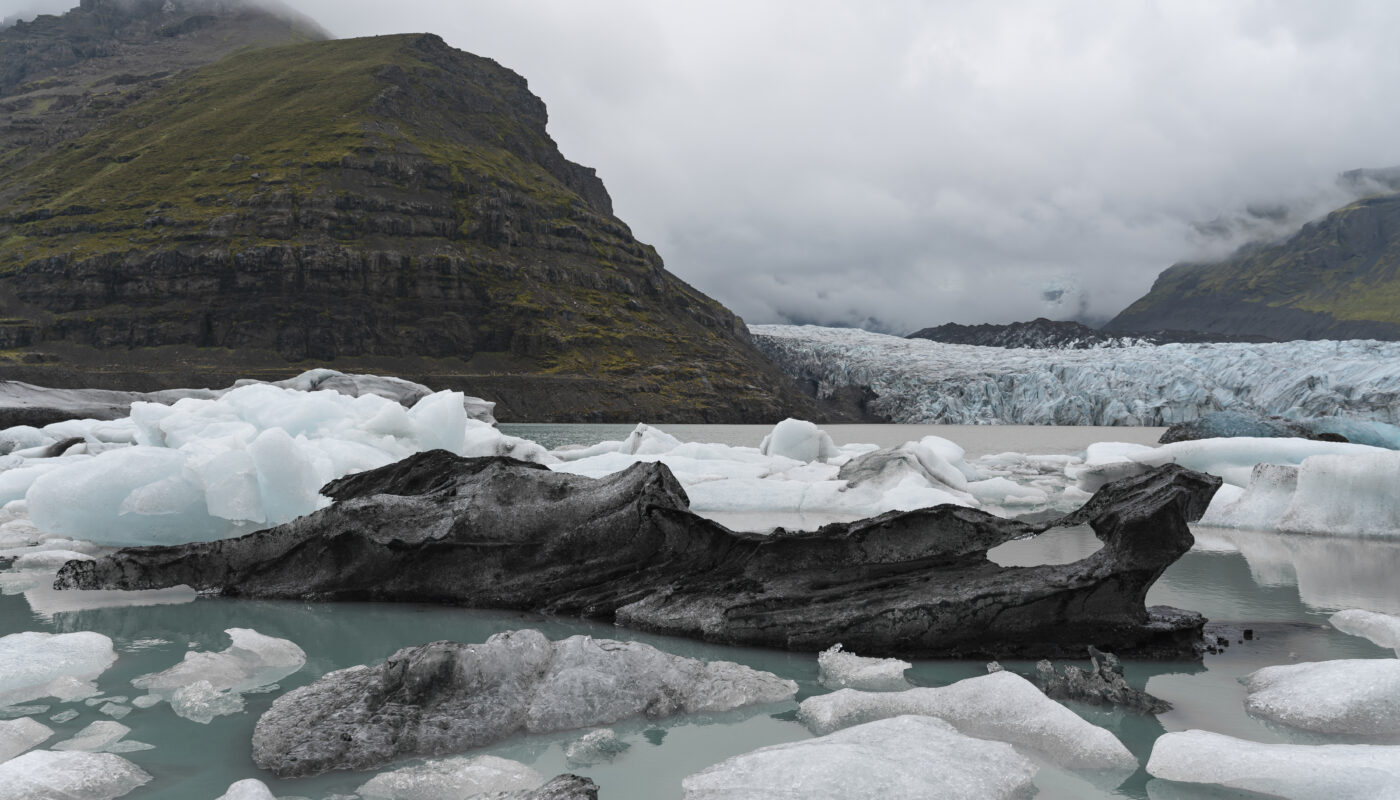
- Calving: Large chunks of ice break off the glacier’s front, plunging into the lake with a dramatic splash.
- Advance and stability: Unlike many glaciers that retreat steadily, Perito Moreno is balanced — the rate of ice accumulation in the upper glacier matches the rate of ice loss at its terminus.
- Ice dam events: When the glacier blocks the lake’s southern arm, water pressure eventually causes a rupture. This spectacular natural event can take months to fully develop and is carefully monitored by scientists.
These processes make Perito Moreno an ideal location for studying glacial dynamics, as it exhibits natural phenomena rarely seen elsewhere.
Visiting the Perito Moreno Glacier
Visiting Perito Moreno Glacier is an unforgettable experience, and there are several ways to engage with it:
1. Viewing Platforms
Well-maintained walkways and platforms allow visitors to approach the glacier safely. From these vantage points, you can see:
- Towering ice walls
- Dramatic crevasses
- Calving events
The platforms are designed to provide multiple perspectives, allowing photographers and travelers to capture the glacier’s grandeur from every angle.
2. Boat Tours
Boat excursions on Lago Argentino bring visitors up close to the glacier’s face. These tours often position travelers directly in front of ice walls that rise over 60 meters above the water, offering an immersive experience. The gentle rocking of the boat and occasional booming sounds of calving ice create a sensory spectacle.
3. Glacier Trekking
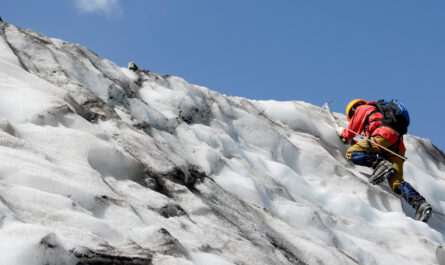
For more adventurous visitors, guided ice trekking tours are available. Participants wear crampons and explore the glacier’s surface under expert supervision. Trekking tours allow for:
- Walking across deep crevasses and ice formations
- Observing the glacier’s textures and colors up close
- Experiencing the crunch of centuries-old ice underfoot
These tours vary in duration and difficulty, catering to both beginners and experienced hikers.
4. Photography Opportunities
Perito Moreno Glacier is a photographer’s paradise. Optimal conditions vary:
- Morning: Crisp light, calmer water, ideal for reflections.
- Afternoon: Warmer light highlights the glacier’s deep blue hues.
- Overcast days: Clouds can create dramatic contrasts with the ice’s vibrant colors.
Many travelers spend several hours capturing the glacier from different angles, from the walkways, boats, and trekking paths.
Best Time to Visit
Patagonia’s weather is unpredictable, but certain months offer more favorable conditions:
- Summer (December–March): Warmer temperatures and longer daylight hours. Best for trekking and boat tours.
- Shoulder Seasons (October–November, April–May): Fewer crowds, crisp air, and dramatic skies.
- Winter (June–August): Cold temperatures, fewer visitors, and striking snow-covered landscapes.
Regardless of the season, visitors should prepare for wind, rain, and temperature fluctuations, as weather conditions can change rapidly.
Environmental Significance
Perito Moreno Glacier is more than a tourist attraction; it’s a critical part of the planet’s freshwater system. Its stability offers scientists a rare baseline for comparing other glaciers experiencing rapid retreat. Studying Perito Moreno helps researchers understand:
- How glaciers respond to climatic shifts
- Ice flow dynamics and calving processes
- Impacts of glacier changes on lakes, rivers, and ecosystems
By protecting the glacier and surrounding national park, Argentina preserves not only a natural wonder but also a vital scientific resource.
Practical Tips for Visitors
- Dress in layers: Weather can shift from sunny to windy or rainy in minutes.
- Footwear: Comfortable, sturdy shoes are essential for walkways and trekking tours.
- Camera protection: Mist and spray from ice calving are common — waterproof cases or lens covers help.
- Time management: Allow at least half a day to explore walkways and viewing platforms.
- Book tours in advance: Popular trekking and boat tours fill up quickly, especially in summer.
Why Perito Moreno Stands Out Globally
While glaciers are found across the world, Perito Moreno stands out because:
- Its stability contrasts with the widespread retreat of glaciers worldwide.
- Visitors can observe dynamic glacial processes up close without technical climbing.
- It offers an unmatched sensory experience by fusing accessibility, vivid color, and sheer scale.
- Its surrounding national park integrates mountains, lakes, and forests, making it a complete ecosystem to explore.
For many travelers, seeing the glacier is an emotional experience — a testament to Earth’s power and beauty in ice.
Conclusion
Perito Moreno Glacier is one of the world’s most extraordinary glaciers because of its size, accessibility, striking colors, and dynamic behavior. It offers a rare opportunity to witness a living glacier in motion, observe natural phenomena such as calving and ice dam ruptures, and explore one of Patagonia’s most dramatic landscapes.
Visiting the glacier is not only a breathtaking adventure but also an educational experience, offering insight into glacial processes, freshwater ecosystems, and the natural forces that shape our planet. Whether viewed from a walkway, a boat, or on the ice itself, Perito Moreno leaves an indelible mark on every traveler, solidifying its place as a global natural wonder.