 by
by Glaciers are among the most striking features of Earth’s cryosphere, shaping landscapes over millennia and acting as powerful indicators of climate change. Despite their common portrayal as massive, monolithic blocks of ice, glaciers come in a variety of forms, each with unique characteristics, behaviors, and ecological impacts. Understanding the different types of glaciers is essential for geologists, climate scientists, and nature enthusiasts alike.
What Is a Glacier?
A glacier is a large, persistent body of ice that forms where snowfall exceeds melting over many years. Unlike seasonal snow, glaciers accumulate over decades or centuries, compacting into dense ice. They move under the influence of gravity, slowly flowing downhill or outward, reshaping the terrain in the process. Glaciers act as freshwater reservoirs and are integral to Earth’s hydrological and climate systems.
Key Factors That Shape Glaciers
The type of glacier that forms depends on several factors:
- Topography: Mountain valleys, plateaus, and flat plains influence the glacier’s shape and flow.
- Climate: Temperature and precipitation determine the glacier’s growth and stability.
- Ice Thickness: Thicker ice can deform more easily, influencing movement patterns.
- Bedrock and Terrain: Rough or sloped terrain affects whether a glacier is confined or spreads widely.
1. Valley Glaciers
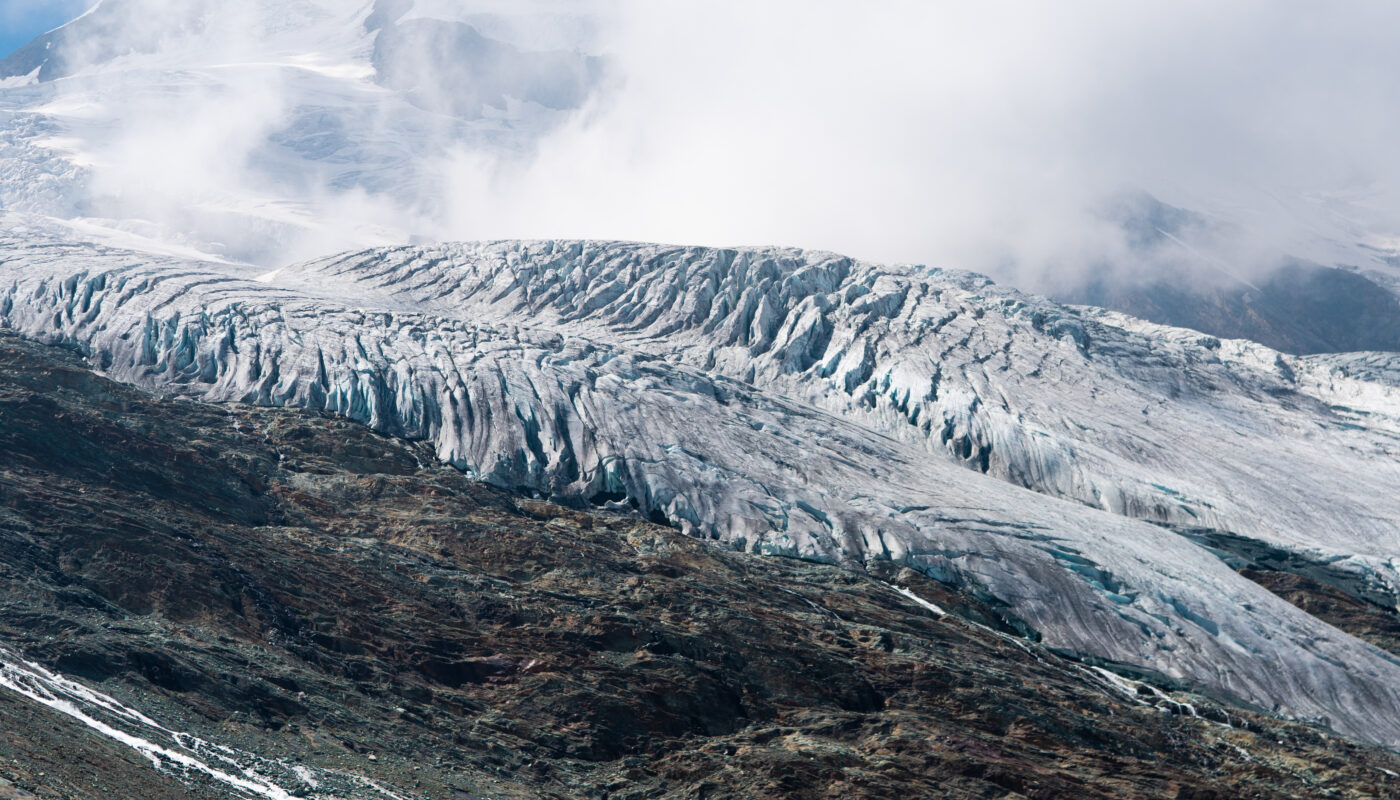
Valley glaciers, sometimes called alpine glaciers, form in mountainous regions and flow along preexisting valleys. They resemble rivers of ice and are among the most recognizable types of glaciers.
- Characteristics:
- Confined to mountain valleys
- Often fed by accumulation zones in high-altitude cirques
- Can extend for tens of kilometers
- Examples:
- The Aletsch Glacier in Switzerland
- The Franz Josef Glacier in New Zealand
Valley glaciers carve U-shaped valleys and create spectacular features such as moraines, cirques, and hanging valleys. Their movement is often rapid compared to larger ice masses due to gravitational pull along steep slopes.
2. Ice Caps
Ice caps are large, dome-shaped glaciers that cover less than 50,000 square kilometers of land. Unlike valley glaciers, ice caps are not confined by topography and tend to spread outward in all directions from a central dome.
- Characteristics:
- Cover plateaus or volcanic peaks
- Flow radially outward
- Often feed smaller valley glaciers
- Examples:
- Vatnajökull in Iceland
- Lomonosovfonna in Svalbard
Ice caps are crucial for regional hydrology, providing meltwater that feeds rivers, lakes, and ecosystems below. They can respond quickly to climate changes, showing measurable retreat or expansion over decades.
3. Ice Sheets
Ice sheets are the largest type of glacier, covering more than 50,000 square kilometers. They dominate polar regions and have a profound effect on global sea levels and climate patterns.
- Characteristics:
- Dome-like mass covering entire land areas
- Contain massive volumes of ice, sometimes kilometers thick
- Flow slowly but can advance or retreat over large areas
- Examples:
- Antarctic Ice Sheet
- Greenland Ice Sheet
Ice sheets are dynamic systems, feeding ice streams and outlet glaciers that reach the ocean. Their melting contributes significantly to sea-level rise, making them a focal point in climate research.
4. Piedmont Glaciers
Piedmont glaciers occur when valley glaciers flow out onto flat plains at the base of mountains, spreading into bulb-like lobes.
- Characteristics:
- Formed by the merger of multiple valley glaciers
- Flow outward across plains
- Can cover wide areas despite originating in narrow valleys
- Examples:
- Malaspina Glacier in Alaska
- Hubbard Glacier in Alaska
Piedmont glaciers often display interesting ice dynamics because their flow slows and spreads upon reaching flatter terrain, forming features like ice lobes and outwash plains.
5. Tidewater Glaciers
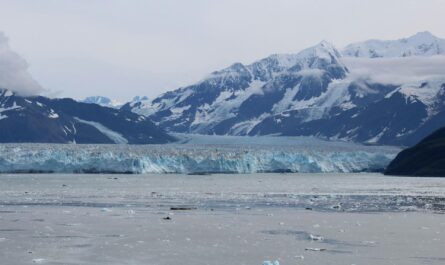
Tidewater glaciers are valley glaciers or ice sheets that terminate in the ocean. They play a critical role in transporting icebergs and influencing coastal ecosystems.
- Characteristics:
- End in the sea, often producing icebergs
- Can advance or retreat rapidly
- Sensitive to both climate and ocean currents
- Examples:
- Columbia Glacier in Alaska
- Jakobshavn Glacier in Greenland
Tidewater glaciers interact directly with the ocean, making them important indicators of oceanic temperature changes and contributing to global sea-level fluctuations.
6. Cirque Glaciers
Cirque glaciers are small glaciers that occupy bowl-shaped depressions called cirques, typically at the heads of valleys.
- Characteristics:
- Small and confined to mountain hollows
- Usually less than a few kilometers in size
- Form the birthplace of larger valley glaciers
- Examples:
- Many small glaciers in the European Alps and the Rockies
Though small, cirque glaciers are important as nucleation points for larger glacial systems, and their retreat is often one of the first visible signs of regional warming.
7. Hanging Glaciers
Hanging glaciers cling to steep mountain slopes and cliffs, often above valley glaciers.
- Characteristics:
- Form on steep slopes where snow accumulates
- Often feed avalanches or icefalls
- Can appear precarious due to gravity
- Examples:
- Numerous hanging glaciers in the Himalayas and Alaska
Hanging glaciers are key indicators of slope stability and are monitored for icefall hazards that could threaten downstream areas.
8. Ice Streams
Ice streams are fast-flowing channels within larger ice sheets. They move faster than the surrounding ice and are crucial for draining ice from the interior to the edges of ice sheets.
- Characteristics:
- High-speed flow within ice sheets
- Confined by topography or ice ridges
- Major contributors to sea-level rise when reaching the ocean
- Examples:
- Pine Island Glacier in Antarctica
- Lambert Glacier in Antarctica
Ice streams often dictate the behavior of large ice sheets, and their dynamics are closely studied in climate science.
Why Understanding Glacier Types Matters
Knowing the types of glaciers and their characteristics is not just academic. It has practical implications for:
- Climate Monitoring: Glacier retreat is one of the clearest signals of global warming.
- Water Resources: Glaciers act as natural reservoirs, feeding rivers and supporting ecosystems and human populations.
- Natural Hazards: Icefalls, avalanches, and glacial outburst floods are closely tied to glacier dynamics.
- Tourism and Conservation: Understanding glacier types helps manage hiking, skiing, and other recreational activities responsibly.
Conclusion
Glaciers are diverse, dynamic, and essential components of Earth’s landscape. From small cirque glaciers tucked into mountain bowls to massive ice sheets that dominate Greenland and Antarctica, each type tells a story about climate, topography, and the passage of time. Valley glaciers carve majestic valleys, ice caps regulate regional water flow, and tidewater glaciers connect ice to the ocean in dramatic ways. By studying and appreciating these different glacier types, we gain a deeper understanding of the planet’s past, present, and future, and the critical role ice plays in shaping our world.