 by
by Ice — in the form of glaciers, ice sheets, sea ice, and seasonal snow — plays a vital role in Earth’s climate, water systems, and ecosystems. It reflects sunlight, stabilizes temperatures, sustains rivers and freshwater supplies, and helps regulate sea levels. But warming global temperatures, driven largely by human emissions of greenhouse gases, have pushed ice loss into overdrive worldwide.
Understanding which countries are losing the most ice helps illuminate where climate change signals are strongest and where impacts may be most dramatic — not just for local environments, but for global systems, including sea levels and water security. This article explores the regions and countries experiencing the highest ice loss, why it’s happening, what it means, and who’s monitoring these changes.
What “Losing Ice” Really Means
When scientists talk about ice loss, they’re referring to several processes:
- Glacier retreat: The reduction in size and thickness of glaciers.
- Ice sheet mass loss: Large ice bodies like those in Greenland and Antarctica losing ice to oceans.
- Sea ice decline: Loss of seasonal ice floating on oceans (especially in the Arctic).
- Snowpack reduction: Declining seasonal snow cover on land.
These processes are driven by changes in temperature, precipitation, ocean heat content, wind patterns, and occasionally changes in local geology or debris cover.
1. Greenland: A Major Ice Loss Hotspot
Country/Region: Greenland (autonomous territory associated with Denmark)
Greenland is often cited as the single largest contributor to land ice loss on the planet outside Antarctica. Its massive ice sheet contains enough frozen water to raise global sea levels by more than 7 meters (over 23 feet) if it were to melt entirely — a theoretical extreme, but one that highlights its importance.
Why Greenland Is Losing So Much Ice
Greenland’s ice melt has accelerated for several reasons:
- Rising air temperatures: The Arctic warms faster than lower latitudes.
- Warmer oceans: Increased ocean heat melts ice from below, especially at marine-terminating glaciers.
- Surface meltwater penetration: Meltwater travels through the ice, lubricating its base and increasing glacial flow toward the sea.
Impacts
- Significant contribution to global sea-level rise.
- Freshwater input into the North Atlantic, with potential effects on ocean circulation.
- Loss of habitat for cold-adapted species.
Greenland’s ice loss has been well‑documented through satellite observations, field measurements, and climate models, showing persistent acceleration since the late 20th century.
2. Antarctica: Slow Changes, Big Consequences
Country/Region: Antarctica (continent governed by the Antarctic Treaty System; no national ownership)
Antarctica holds about 90% of Earth’s ice, mostly in two vast ice sheets: the East Antarctic Ice Sheet and the West Antarctic Ice Sheet. Changes here have profound implications for global sea levels, even if they occur slowly.
Ice Loss Patterns
- West Antarctica: Particularly vulnerable because much of its ice rests on bedrock below sea level. Ocean warming has driven melt under ice shelves, especially in the Amundsen Sea Sector.
- Antarctic Peninsula: Has seen pronounced warming, leading to glacier acceleration and ice shelf collapse.
- East Antarctica: Historically more stable, though some recent studies suggest localized losses in coastal areas.
Why Ice Loss Is Concerning
Even small percentage losses from Antarctica translate into large volumes of water entering the ocean — and do so over long time scales. The continent’s ice dynamics are a major focus of sea-level rise projections.
3. Bolivia: Tropical Glaciers in Retreat
Country: Bolivia
High in the Andes Mountains, Bolivia is home to tropical glaciers — ice masses located near the equator but at high elevation. These glaciers have been retreating rapidly over recent decades.
Causes of Ice Loss
- Increased air temperatures
- Reduced snowfall
- Changes in local wind and humidity patterns
Consequences
- Diminished summertime water flows for communities downstream.
- Risk of glacial lake outburst floods (GLOFs).
- Effects on agriculture and hydropower water storage.
This example emphasizes that ice loss is not only a polar issue — even the tropics are affected.
4. Pakistan and the Himalayan Ice Loss Crisis
Country: Pakistan (among others in the Himalayan region, including India, Nepal, China, Bhutan)
Pakistan is home to portions of the Karakoram Range and the broader Himalayas, which contain some of the world’s largest concentrations of glaciers outside the polar regions. These glaciers supply freshwater to major rivers like the Indus, which supports tens of millions of people.
What’s Happening in the Himalayas
- Glaciers in much of the Himalayas are retreating, though some parts of the Karakoram Range have shown stability or slight advance (a complex pattern called the “Karakoram anomaly”).
- Most Himalayan glaciers are losing mass due to rising temperatures and changing precipitation patterns.
Why It Matters
- Seasonal and long‑term water supply for agriculture, drinking water, and hydropower.
- Ris k of GLOFs affecting communities downstream.
Pakistan’s situation illustrates how ice loss in mountainous regions can have direct social and economic consequences far beyond the ice itself.
5. Chile and Argentina: Southern Andes Glaciers
Countries: Chile and Argentina
The Andes of southern South America hold numerous glaciers in Patagonia and other southern ranges. These glaciers are notable for their accessibility, dramatic flows, and ongoing retreat.
Areas of Significant Ice Loss
- Patagonian Ice Fields: Both the Southern and Northern Patagonian Ice Fields show consistent thinning and retreat.
- Iconic glaciers like Perito Moreno (relatively stable by comparison) sit among many others experiencing rapid loss.
Drivers
- Increased atmospheric temperatures
- Changing precipitation patterns
- Oceanic influences at marine‑terminating glaciers
Local communities, ecosystems, and tourism are all influenced by these shifts.
6. Switzerland: Alpine Glaciers in Decline
Country: Switzerland
The Swiss Alps have long been a symbol of glacial beauty. However, alpine glaciers across Switzerland have been shrinking dramatically.
Trends in Swiss Glaciers
- Significant reduction in glacier volume and length since the late 19th century.
- Glacier loss has accelerated over recent decades.
- Many smaller glaciers have disappeared entirely.
Impacts
- Reduced late‑summer runoff for rivers.
- Glacial tourism affected (e.g., glacier viewing, ski areas).
- Increased rockfalls and destabilized slopes as ice retreats.
Switzerland’s situation highlights how mountainous countries with economic and cultural ties to ice are feeling the effects directly.
7. Alaska and Canada: North American Ice Loss
Countries/Regions: United States (Alaska) and Canada
In North America, glaciers in Alaska and western Canada are retreating rapidly across multiple ranges, including:
- Alaska Range
- Coast Mountains
- Canadian Rockies
Drivers
- Rising air and ocean temperatures
- Increased melt seasons
- Changes in snowfall patterns
Consequences
- Contribution to sea‑level rise
- Altered freshwater delivery to ecosystems
- Effects on wildlife and indigenous communities
Parts of Alaska, such as the Columbia and Mendenhall glaciers, are dramatic examples of rapid change visible even to casual visitors.
8. Iceland: A Northern Lab of Ice Change
Country: Iceland
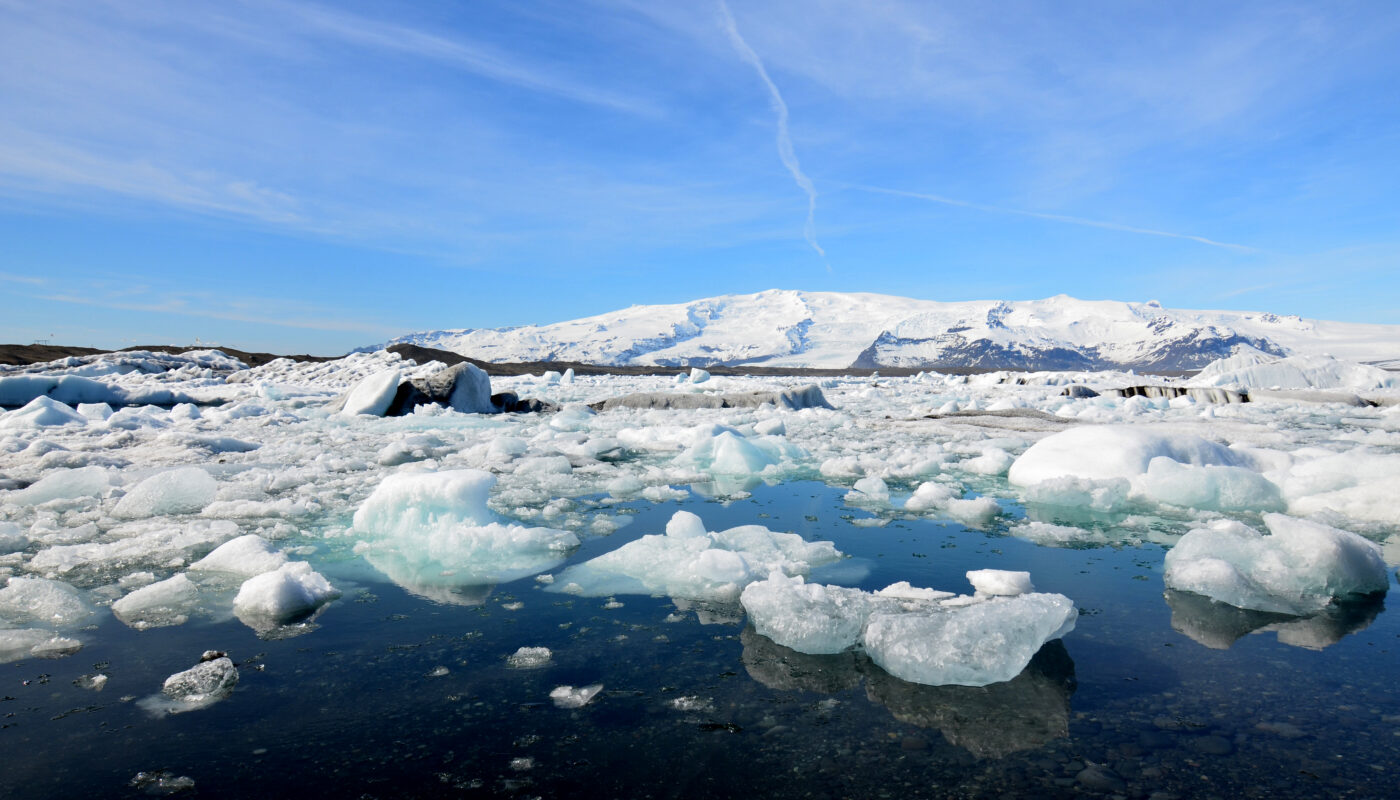
Iceland’s glaciers form iconic parts of its landscapes — from Vatnajökull (one of Europe’s largest ice caps) to smaller outlet glaciers.
Ice Loss in Iceland
- Significant thinning and retreat documented over recent years.
- Seasonal ice cover and glacier terminus positions have changed rapidly.
Iceland’s volcanic activity complicates glacier dynamics, but warming air and ocean temperatures remain the dominant drivers of ice loss.
What About Sea Ice? A Different Kind of Ice Loss
It’s important to distinguish between land ice (glaciers and ice sheets) and sea ice (frozen seawater).
Arctic Sea Ice
- The Arctic has experienced dramatic declines in summer sea ice extent over the past few decades.
- Countries affected include Canada, Russia, the United States (Alaska), Norway, and Greenland.
Antarctic Sea Ice
- Antarctic sea ice has shown more complex trends, with some fluctuations, but long‑term trends point toward decline.
Sea ice loss does not directly contribute to sea‑level rise, but it significantly alters climate systems because open water absorbs more heat than reflective ice, accelerating warming.
Why Ice Loss Matters — Beyond the Numbers
Ice loss is not just a collection of statistics. It drives global consequences:
1. Sea‑Level Rise
- Melting glaciers and ice sheets add water to the ocean, raising coastlines and threatening coastal cities.
2. Water Security
- Regions reliant on glacier meltwater — such as parts of South Asia and the Andes — face changing water availability.
3. Ecosystem Shifts
- Cold‑adapted species lose habitat; ecosystems are reshaped.
4. Cultural Heritage
- Many communities view glaciers as part of their identity — once‑stable landmarks now receding before their eyes.
5. Feedback Loops
- Ice loss accelerates warming through reduced albedo (reflectivity), especially in polar regions.
How Scientists Measure Ice Loss
Understanding which countries are losing ice relies on advanced measurement techniques:
1. Satellite Observations
Satellites track changes in ice volume, extent, and mass, especially for large ice sheets.
2. Ground Measurements
Glaciologists place stakes and sensors in glaciers to monitor melt and movement.
3. GPS and Laser Scanning
These tools measure ice surface changes with high precision over time.
4. Climate Models
Models help attribute changes to temperature and precipitation patterns driven by climate change.
These methods have revolutionized our understanding of global ice dynamics and allow scientists to compare regions over decades.
Where Ice Loss Is Projected to Go Next
Future projections suggest:
- Continued acceleration of glacier retreat in most mid‑latitude regions.
- Increased contributions from Greenland and portions of Antarctica to sea‑level rise.
- Persistent loss of Arctic sea ice, including more frequent near‑ice‑free summers.
The timing and extent will depend heavily on global emissions pathways and mitigation efforts.
Conclusion: A Changing World of Ice
Which countries are losing the most ice? The answer reflects a global pattern:
- Greenland and Antarctica dominate land ice loss and sea‑level rise contribution.
- Mountain nations like Switzerland, Bolivia, Pakistan, and Canada show dramatic glacier retreat.
- Iceland and Alaska provide stark, visible evidence of rapid ice change.
- Arctic states face shrinking sea ice that reshapes climate and ecosystems.
These changes are not isolated phenomena — they are interconnected signals of a warming world. Ice loss affects freshwater availability, coastal risk, cultural memory, and even global climate systems.
Understanding where ice is declining most rapidly helps policymakers, communities, and scientists prepare for the cascading impacts that will shape both local landscapes and planetary futures. Ice is not just frozen water — it is a reservoir of climate history and a bellwether for Earth’s changing equilibrium.