 by
by The idea of sipping crystal‑clear meltwater directly from a glacier has universal appeal. It evokes purity, untouched wilderness, and a connection to Earth’s ancient frozen reservoirs. But just because glacier water looks clean doesn’t automatically mean it’s safe to drink. From microbial contaminants and mineral content to toxic metals and environmental pollutants, glacier water has characteristics that deserve careful consideration before anyone drinks it.
In this article, we’ll explore what glacier water really is, its potential risks and benefits, how contaminants get into it, and practical guidance on when and how it can be safely consumed. Whether you’re a hiker in the Alps, a kayaking enthusiast in Patagonia, or a backcountry camper in Alaska, this is essential information for staying healthy in cold‑water environments.
1. What Exactly Is Glacier Water?
Before assessing safety, it helps to understand where glacier water comes from.
Formation of Glacier Water
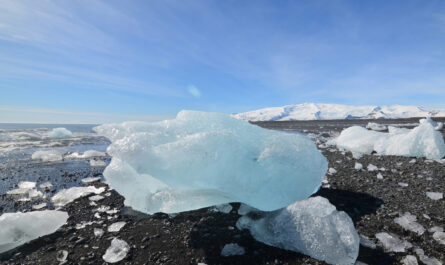
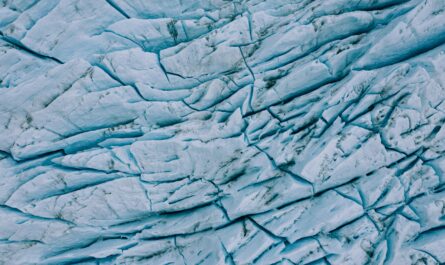
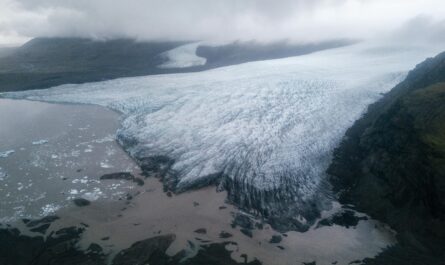
Glacier water originates when snow accumulates year after year, compresses into ice, and slowly flows downhill as a glacier. Over time, the glacier grinds rock into fine sediment (called glacial flour) and stores centuries of snowmelt. When temperatures rise, the ice melts and the water flows out as meltwater streams, springs, or runoff.
This water can seem exceptionally clear and cold — often a brilliant blue or green due to suspended rock particles and the way light scatters in fine sediment. But clarity is not a guarantee of purity.
2. Why Glacier Water Looks “Clean” — But Isn’t Always Safe
At first glance, glacier meltwater may look pristine. It’s cold, crystalline, and often flowing fast — all qualities that give the impression of purity. However, several hidden risks can make this water unsafe to drink without treatment:
a. Microbial Contamination
Even in remote wilderness, water can contain:
- Bacteria (e.g., E. coli, Campylobacter)
- Viruses (such as enteric viruses)
- Protozoa (like Giardia and Cryptosporidium)
These microbes can enter the water from:
- Animal feces (wildlife or livestock)
- Bird droppings near meltwater channels
- Organic material washed into streams
Glacier meltwater, especially once it touches the ground or passes through soil and vegetation, is not sterile, and pathogens can survive in cold water.
b. Sediment and Minerals
Glacial flour is a fine powder produced when rock is ground by glaciers.This mineral‑rich sediment can be carried in meltwater. While many of these minerals are harmless or even beneficial in small quantities — and contribute to unique water color — high concentrations can upset digestion and mask underlying contaminants.
c. Environmental Pollutants
Glaciers act like time capsules for atmospheric deposits. Over decades or centuries, glaciers accumulate:
- Airborne pollutants (from distant industrial regions)
- Microplastics
- Persistent organic pollutants (POPs)
- Heavy metals (like mercury or lead)
When meltwater flushes out from glaciers, it can carry these contaminants with it. Although concentrations are often low, they can still pose health risks with frequent or long‑term exposure.
d. Chemical Leaching
As glacier water flows through sediments and rocks, it can pick up dissolved minerals and chemicals — including some that are harmful in high amounts. For example:
- Iron and manganese can affect taste and digestion
- Sulfur compounds can produce unpleasant odors
- Heavy metals may accumulate depending on geology and pollution context
3. Common Misconceptions About Glacier Water
Here are some beliefs people have about glacier water — and the reality behind them.
Myth: Fresh Glacier Water Is Naturally Pure
Reality: Ice itself is frozen water, but once meltwater moves through the ground, it can pick up microbes, sediments, and pollutants.
Myth: Cold Temperature Kills Microbes
Reality: Cold slows microbial growth but doesn’t eliminate pathogens. Freezing may preserve some microbes, and meltwater streams can still transmit illness.
Myth: Clear Water Means Safe Water
Reality: Many dangerous microbes and chemicals are invisible. Clarity does not guarantee cleanliness.
4. What Happens if You Drink Untreated Glacier Water?
The health effects of drinking untreated glacier water can vary from mild stomach upset to serious illness:
a. Gastrointestinal Illness
Pathogens like Giardia and Cryptosporidium can cause:
- Diarrhea
- Vomiting
- Abdominal pain
- Fever
Symptoms can appear within hours to days.
b. Chemical Toxicity
Long‑term or high exposure to heavy metals and pollutants can affect:
- Liver and kidney function
- Neurological systems
- Immune response
c. Sediment‑Related Discomfort
High loads of glacial flour can cause:
- Dry mouth
- Intestinal irritation
- Abrasion of teeth enamel if water is mineral‑rich
5. When Glacier Water Is Safer to Drink — and When It Isn’t
More Likely Safer:
- Near the headwaters where water emerges directly from ice with minimal soil contact
- Very close to the glacier’s snout before mixing with runoff from animal paths
- Cold, fast‑moving streams with clear flow (but still treatable)
Less Safe:
- Downstream where runoff mixes with soil and vegetation
- Trails frequently used by animals or livestock
- Warm seasons when microbial activity increases
- Areas with known mining, industry, or pollution history
Even in seemingly pristine spots, treating your water is the safest choice.
6. Proven Methods to Make Glacier Water Safe
So how do you make glacier water safe to drink? Here are reliable methods, from most accessible to most thorough:
1. Boiling
Boiling is the gold standard for killing biological pathogens.
How to do it:
- For at least one minute (or three minutes above 2,000 meters/6,500 feet), bring water to a rolling boil.
- Let cool before drinking
Pros: Effective against bacteria, viruses, and protozoa
Cons: Does not remove chemicals or sediment
2. Filtration
A good water filter removes many pathogens and sediment.
Types of filters:
- Pump filters
- Gravity filters
- Straw filters
Seek out filters that exclude organisms with a size of 0.1–0.3 microns. Many backpacking filters meet this standard.
Pros: Removes protozoa and bacteria, improves clarity
Cons: Some filters don’t remove viruses or dissolved chemicals unless paired with purification
3. Chemical Purification
Tablets or liquids containing iodine, chlorine dioxide, or similar agents disinfect water.
Usage tips:
- Follow manufacturer directions
- Allow adequate contact time (often 30–60+ minutes)
Pros: Lightweight, portable
Cons: Taste can be strong; less effective alone against some protozoa unless combined with filtration
4. UV or Electronic Purifiers
Handheld UV devices or electronic purifiers use ultraviolet light to deactivate microorganisms.
Pros: Quick and effective for biological contaminants
Cons: Doesn’t remove particulates or chemicals; requires batteries
5. Combination Treatments
Pairing filtration with chemical or UV treatment provides broad protection — filtering out sediment and microbes, then disinfecting remaining pathogens.
This two‑step approach is ideal for backcountry glacier water, where contamination sources are unpredictable.
7. Practical Tips for Gathering Glacier Water Safely
When you’re in the field, here are best practices to reduce risk before you even treat the water:
Collect from Flowing Sections
Meltwater that’s moving and aerated is usually better than stagnant pools, which can harbor microbes.
Avoid Obvious Animal Contamination
Stay away from areas with animal tracks, droppings, or grazing livestock.
Skim Clear Water Near Source
Try to gather from near the glacier snout or upstream where the flow first emerges.
Use Clean Containers
Dirty bottles and cups can reintroduce microbes. Carry a dedicated water bag or bottle for treatment.
Pre‑Filter Cloudy Water
If water is visibly muddy or loaded with glacial flour, pre‑filter through a bandana or cloth before purification.
8. What About Plastic Bottled Glacier Water?
Some companies sell bottled “glacier water” as a premium product. While these are often sourced from glacial springs, they are processed, filtered, and tested for safety before bottling — unlike untreated meltwater collected on a trail.
Bottled glacier water sold commercially is not the same as drinking directly from a stream, and its safety depends entirely on the bottler’s quality controls.
9. The Environmental Side of Drinking Glacier Water
There’s an important ecological aspect to consider:
1. Fragile Alpine Ecosystems
High alpine streams and glacier outflows often support unique microhabitats. Avoid disturbing sediment or plants when collecting water.
2. Microplastic and Pollutant Transport
Glaciers can release trapped microplastics and long‑range pollutants as they melt under climate change. These contaminants may appear at very low concentrations but are a reminder of human impact even in remote places.
10. Glacier Water and Climate Change
Climate change is accelerating glacier melt worldwide. This has two implications for water safety:
1. Increased Flow and Sediment
Faster melting can increase suspended sediments, making water cloudier and harder to filter.
2. Release of Stored Contaminants
Long‑buried pollutants in ice can emerge with meltwater, introducing new chemical challenges.
This adds another layer of complexity when considering drinking glacier water in affected regions.
11. Key Takeaways
Here’s a quick rundown of what you should know:
- Glacier water is not automatically safe to drink — even if it looks clear and fresh.
- Biological pathogens, sediment, and chemical contaminants can all be present.
- Boiling, filtration, chemical treatment, and UV purification are reliable ways to make it safer.
- Always practice good field hygiene and water collection technique.
- Commercial “glacier water” is treated and regulated — but natural sources are not.
Conclusion
Can you drink glacier water safely? Yes — but only with appropriate treatment. Untreated glacier water may carry invisible biological and chemical hazards that can cause illness. With the right approach — boiling, filtering, chemical or UV purification — you can transform that pristine meltwater into a safe and refreshing drink, even in the backcountry.
What feels like nature’s purest water deserves respect, preparation, and cautious handling. Drink wisely and enjoy the mountains responsibly.