 by
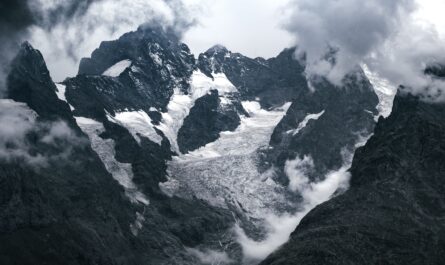
by Glaciers have long been considered the icy reservoirs of the planet. They store freshwater in frozen form, slowly releasing it over time into rivers, lakes, and aquifers. This natural regulation is crucial for many ecosystems, agriculture, and human settlements. One of the sectors most directly impacted by glacier melt is hydropower—the generation of electricity from flowing water.
As global temperatures rise, glaciers worldwide are retreating at unprecedented rates. The consequences extend far beyond rising sea levels, directly influencing water availability, seasonal flow patterns, and the stability of energy infrastructure. Understanding the link between glacier loss and hydropower is essential for policymakers, engineers, and communities that depend on these renewable energy sources.
Glaciers as Natural Regulators of River Flow
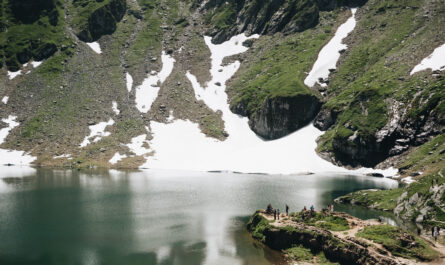
Glaciers act like natural dams and reservoirs. They accumulate snow and ice during the winter months and gradually release meltwater in the warmer seasons. This gradual release stabilizes river flow, which is particularly critical during dry periods when precipitation is low.
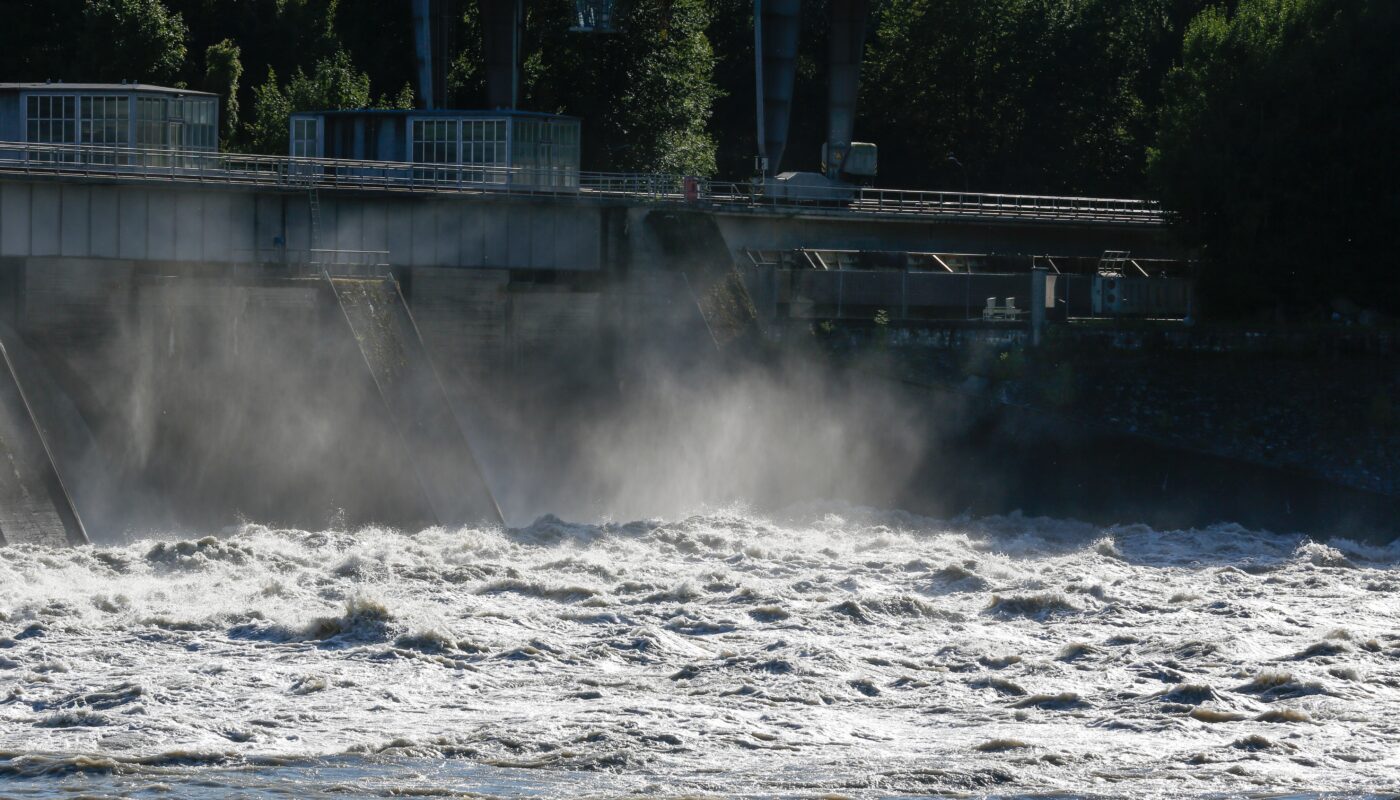
For hydropower plants, consistent river flow is vital. Water stored in glaciers provides a buffer against seasonal variability, ensuring a steady supply for turbines. Without this natural regulation, rivers can experience extreme fluctuations—spiking during summer melt periods and dwindling during droughts—making electricity production unpredictable.
The Impact of Glacier Retreat on Hydropower
1. Altered Seasonal Water Availability
One of the most immediate effects of glacier loss is the change in seasonal water flow patterns. In glacier-fed rivers, peak water flow historically occurred during late spring and early summer, coinciding with snow and ice melt. As glaciers retreat, this peak can shift earlier in the year, leading to:
- Earlier spring floods, which may overwhelm hydropower infrastructure
- Reduced summer flows, when electricity demand is often highest
This imbalance can force hydropower operators to either reduce output or rely on alternative energy sources, affecting grid stability.
2. Short-Term Boost vs. Long-Term Decline
Interestingly, glacier retreat can initially increase river discharge. As glaciers melt faster due to higher temperatures, more water flows into rivers. In the short term, this may temporarily boost hydropower production.
However, this phase is unsustainable. Once a significant portion of the glacier mass is lost, rivers that previously depended on ice melt will experience reduced flow during dry periods. Long-term predictions show that hydropower capacity in glacier-fed basins may decline substantially over the next 50 to 100 years if current melting trends continue.
3. Increased Sediment Load
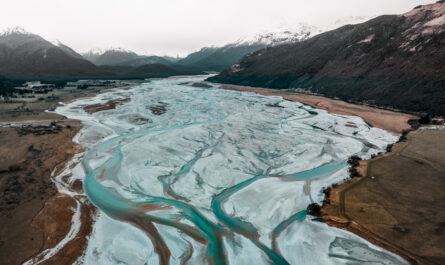
Glacier retreat also exposes newly uncovered land, which can increase soil erosion. As rivers carry more sediments downstream, hydropower facilities face several challenges:
- Turbine wear and tear: Sand, rocks, and debris can damage turbine blades and reduce efficiency.
- Reservoir siltation: Sediments accumulate in reservoirs, lowering water storage capacity and reducing long-term energy output.
- Operational costs: Increased maintenance and sediment management raise the cost of hydropower production.
These factors highlight that glacier loss affects not only water volume but also water quality—critical for the efficient functioning of hydroelectric systems.
Case Studies: Glacier Loss and Hydropower
The Alps and European Hydropower
Europe’s Alps host thousands of glaciers that feed rivers used for hydropower generation, such as the Rhine, Rhone, and Inn rivers. Studies show that glaciers in the Alps have lost roughly 50% of their volume since the mid-19th century.
- Short-term effects: Some regions have seen higher river discharge in early summer, temporarily increasing hydropower generation.
- Long-term concerns: Projections indicate that by 2100, certain alpine glaciers may disappear almost entirely, significantly reducing summer water flow and energy generation potential.
Countries like Switzerland and Austria, heavily reliant on hydropower, are already planning adjustments to adapt to changing water availability.
The Himalayas and South Asia
The Himalayas, known as the “Third Pole,” contain the largest concentration of glaciers outside the Arctic and Antarctic. These glaciers feed major rivers such as the Ganges, Indus, and Brahmaputra.
Hydropower projects in India, Nepal, and Bhutan are increasingly concerned about glacier retreat. Studies suggest that initial glacier melting may temporarily increase river flow, but as glaciers shrink, reduced summer flows could threaten the electricity supply for millions of people.
- Bhutan’s hydropower sector: The country relies on run-of-river hydropower plants. Changing glacier-fed flows require careful planning to maintain energy security.
- Infrastructure risks: Floods caused by sudden glacier lake outbursts can damage dams and power stations, creating both safety and operational risks.
North America: The Pacific Northwest and Alaska
Glacier-fed rivers in Alaska and the Pacific Northwest play a key role in hydropower production. For example, the Columbia and Yukon River systems depend partially on glacial meltwater.
- Alaska’s case: Glaciers have been melting rapidly, with some rivers experiencing earlier seasonal peaks.
- Hydropower adjustments: Utility companies are investing in forecasting tools and reservoir management to cope with shifting river flows.
These cases illustrate a global trend: hydropower systems must adapt to more variable water regimes caused by glacier retreat.
Climate Change and the Feedback Loop
Glacier loss is both a consequence and a contributor to climate change. As glaciers retreat, exposed land absorbs more solar radiation, accelerating local warming. Reduced snow and ice cover also decreases the natural regulation of river temperatures, affecting aquatic ecosystems.
For hydropower, this feedback loop can be problematic:
- Warmer river temperatures can affect turbine efficiency in some systems.
- Ecosystem impacts: Fish populations may decline due to altered habitats, indirectly influencing hydroelectric projects that rely on ecosystem services for water management.
In short, glacier loss is not just a hydrological issue—it is an integrated climate challenge that affects water, energy, and ecosystems simultaneously.
Strategies to Mitigate the Impacts
Hydropower operators and policymakers are implementing strategies to adapt to glacier loss:
- Improved Forecasting Models
- Using satellite data and climate projections to predict seasonal flows and potential flood events.
- Reservoir Management
- Adjusting water storage and release schedules to cope with altered flow patterns.
- Diversifying Energy Portfolios
- Combining hydropower with solar and wind energy to reduce dependency on glacier-fed water.
- Sediment Management
- Regular dredging and turbine maintenance to cope with higher sediment loads.
- Infrastructure Planning
- Designing dams and hydro plants to withstand extreme flow events caused by rapid glacier melt.
These strategies highlight the importance of proactive planning, combining engineering, ecology, and climate science.
Conclusion
Glacier loss has far-reaching implications for hydropower. While some regions may see short-term increases in water flow due to accelerated melting, the long-term outlook is challenging. Reduced summer flows, increased sediment load, and infrastructure risks threaten the reliability and efficiency of hydroelectric systems worldwide.
The solution lies in adaptive management. By integrating climate projections, advanced forecasting, and resilient engineering practices, hydropower can continue to provide renewable energy even in a warming world.
Ultimately, the fate of hydropower in glacier-fed regions is intertwined with the health of glaciers themselves. Protecting these natural reservoirs—or at least preparing for their retreat—is not just an environmental concern; it is a strategic priority for global energy security.