 by
by Glaciers — majestic rivers of ice that have shaped landscapes, sustained freshwater systems, and influenced regional climates for millennia — are retreating at an unprecedented rate. Scientific observations and satellite data show that warming global temperatures are causing glaciers worldwide to shrink, thin, and, in some cases, disappear entirely. But amid these dramatic changes, some glaciers may persist far longer than others. Determining which glaciers are most likely to survive until the year 2100 depends on understanding their physical characteristics, geographic settings, and the broader forces of climate change.
This article explores the factors that influence glacier survival, identifies regions most likely to retain glaciers by 2100, and examines real‑world examples from around the globe. We’ll also look at the uncertainties and why conserving remaining glaciers matters for ecosystems, water security, and human communities.
1. What Determines Glacier Survival?
Before naming specific glaciers or regions, it’s crucial to understand why some glaciers persist while others vanish. Glacier survival depends on a complex interplay of climate, geography, and physical dynamics.
Temperature and Precipitation Balance
At the most basic level, a glacier survives if:
- Inputs (snowfall) ≥ Outputs (melting and calving)
When a glacier accumulates as much or more snow than it loses through melting, it remains stable. When warming causes melting to exceed snowfall, the glacier retreats.
Key Climate Factors:
- Mean annual temperature: Cooler averages slow melt.
- Seasonal snowfall: Heavy snow accumulation builds glacier mass.
- Summer temperature extremes: Hotter summers accelerate ablation (melting).
- Local microclimates: Cold winds, shade, and cloud cover can reduce melt.
Elevation and Latitude
Elevation sets the baseline for temperature: higher elevations are colder. Latitude influences solar angle and seasonality. Glaciers at high latitudes and high elevations are generally better positioned to survive warming trends because they experience cooler average temperatures.
Glacier Size and Aspect
- Large glaciers have greater volume and thermal inertia, making them slower to disappear.
- North‑facing slopes in the Northern Hemisphere receive less direct solar radiation and melt more slowly than south‑facing slopes.
Ice Flow and Dynamics
Some glaciers are fed by extensive ice fields or connected to ice caps. These feeding mechanisms help replenish ice lost through melting. Glaciers with robust internal flow — where ice is constantly moving from accumulation zones to lower elevations — are more resilient than stagnant, disconnected ice remnants.
Geographic Sheltering and Microclimates
Certain mountain valleys create microclimates that naturally protect glaciers:
- Valleys with frequent cloud cover
- Regions with katabatic winds that cool glacier surfaces
- Steep cirques that are shaded from direct sunlight
2. Regions Where Glaciers Are Most Likely to Survive Until 2100
Scientific models and climate projections suggest that glacier survival is not uniform — some regions will fare better than others, even under continued warming scenarios.
A. The High Arctic: Greenland and Arctic Canada
The Arctic Circle is warming faster than the global average — yet its high‑latitude glaciers still may persist well into the century.
Key Factors:
- High latitude means long, cold winters and short, cooler summers.
- Many glaciers are grounded at high elevations and near polar regions where summer melt is limited.
Examples Likely to Survive:
- Greenland Ice Sheet peripheral glaciers in high elevations (e.g., in east and northwest Greenland) may persist due to consistently cold conditions.
- Canadian Arctic Archipelago glaciers (e.g., in Ellesmere and Baffin Islands) are among the coldest on Earth.
These glaciers are massive and cold enough that even substantial warming may take decades to remove them entirely. However, their margins are still melting, and their stability depends on future emissions pathways.
B. Antarctic Peninsula and East Antarctica
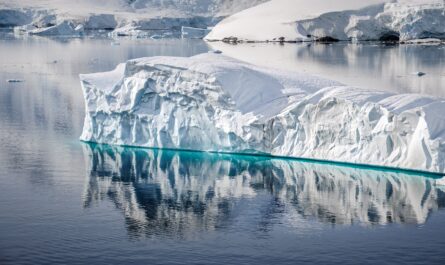
Antarctica contains the largest reservoir of ice on the planet. While parts of the Antarctic Peninsula are warming rapidly and losing ice, East Antarctica remains remarkably cold and stable.
Key Points:
- East Antarctic glaciers and ice sheets are at high elevation and extreme latitude, sustaining very cold temperatures year‑round.
- The immense size and thickness of Antarctic ice confer thermal inertia — meaning it loses mass slowly relative to smaller mountain glaciers.
However, coastal glaciers and ice shelves around West Antarctica are vulnerable to warming oceans and may accelerate ice loss. Still, the core of East Antarctica is expected to retain glaciers deep into the 22nd century and beyond.
C. High Mountain Ranges: Central Asia’s Pamirs, Tian Shan, and Eastern Himalayas
High mountains with extreme elevations and localized weather patterns create refugia where glaciers may persist.
1. Pamir Mountains (Tajikistan, Afghanistan, China):
- Some of the oldest and thickest glaciers in the world
- Elevations exceeding 7,000 meters provide cold summits
2. Tian Shan (Central Asia):
- High elevations and continental climate
- Large ice fields like the Engilchek Glacier show resilience
3. Eastern Himalayas (Bhutan, Nepal, China border):
- Extremely high peaks create cold snow zones
- Monsoon‑fed precipitation builds substantial glacier mass
These regions feature massive glaciers with high accumulation zones. Because summer melting is partly offset by high snowfall at elevation, many glaciers here are less responsive to moderate warming — though low‑elevation glacier tongues are retreating rapidly.
D. Patagonian Icefields (Southern Andes)
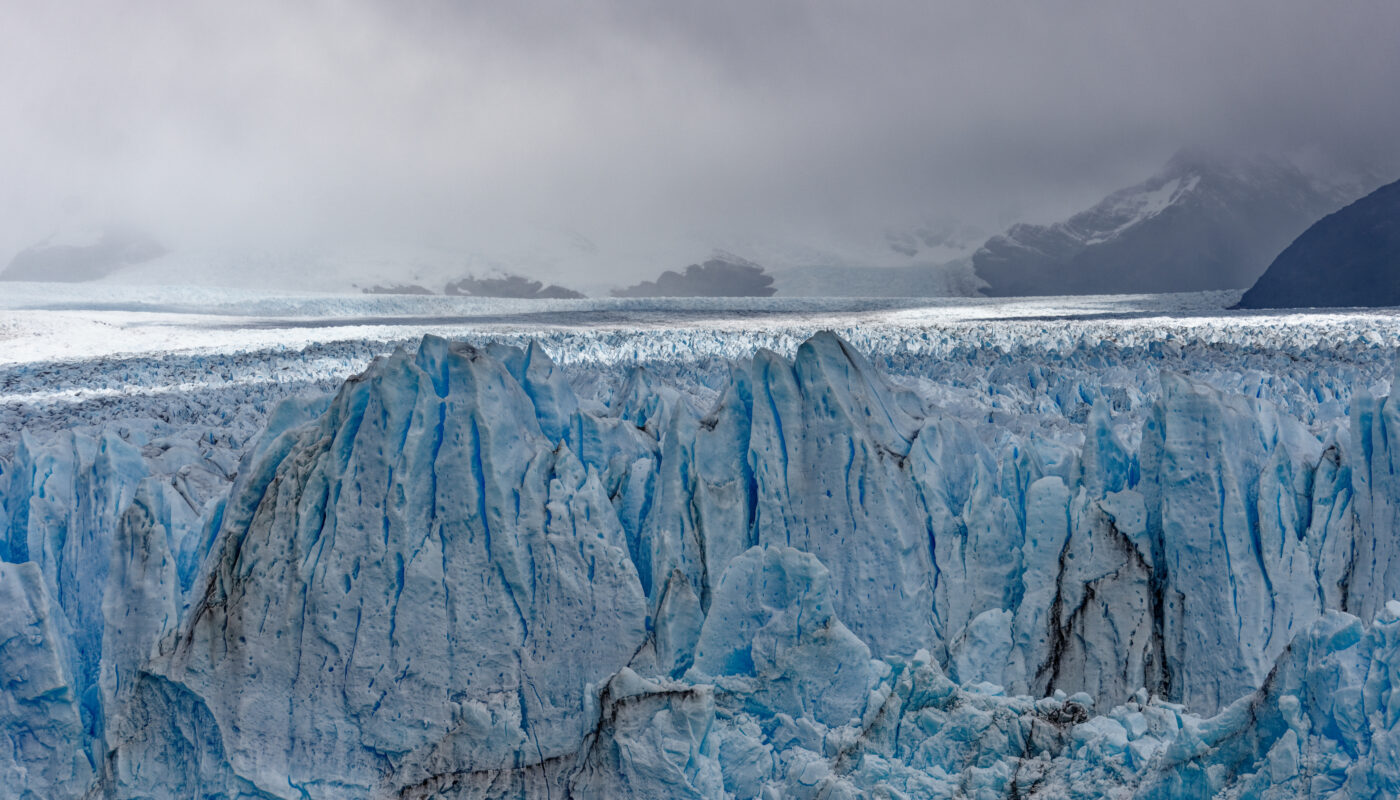
The Patagonian Icefields of Chile and Argentina — including the Northern and Southern Icefields — host some of the largest temperate glaciers outside the poles.
Why They May Survive Longer:
- Wind patterns and southern latitude bring cool oceanic air and heavy precipitation
- Extensive ice fields feed multiple glacier outlets, providing resilience through ice flow
However, modeling suggests these glaciers are sensitive to warming and melting is occurring — but the sheer size and moisture supply mean they may persist longer than smaller mountain glaciers.
E. European Alps (Selected High Basins)
Although the European Alps have seen dramatic glacier loss, some high‑elevation glaciers may survive longer, especially in shaded north‑facing cirques and in regions with cooler microclimates.
Examples:
- Monte Rosa glaciers (Italy/Switzerland) — high elevation and massive accumulation zones
- Bernese Alps remnant glaciers at elevation
Nevertheless, most Alpine glaciers are expected to shrink significantly by 2100 under current warming trends; only the largest and most favorably oriented glaciers might persist in cooler, shaded niches.
3. What Climate Models Predict
Climate scientists use a range of models to estimate future glacier change based on greenhouse gas emission scenarios. Models factor in:
- Temperature rise projections
- Regional precipitation changes
- Snowline movement
- Glacier dynamics and feedbacks
Leading Insights
- Under low‑emission scenarios (rapid decarbonization), many large and high‑latitude glaciers could survive beyond 2100, though in reduced form.
- Under high‑emission scenarios (business‑as‑usual), only the coldest, highest, and most sheltered glaciers will likely remain by 2100.
- Small, low‑elevation glaciers — common in mid‑latitude mountains like the European Alps and North American Rockies — are predicted to disappear almost entirely in many models.
4. Real‑World Examples of Persistence
Here are specific examples of glaciers that models and observations suggest have a higher likelihood of persisting through 2100:
Greenland — Jakobshavn and Peripheral Highlands
While many Greenland glaciers are thinning and calving in coastal fjords, inland high‑elevation ice near Summit Camp and northern Greenland remains extremely cold. These interior ice zones could persist for centuries under a range of scenarios.
Canadian Arctic — Devon Ice Cap
Part of the Arctic Cordillera in Nunavut, the Devon Ice Cap and other large ice fields in northern Canada are remote, cold, and considerable in volume. These characteristics make them more resilient.
Pamir — Fedchenko Glacier
The Fedchenko Glacier in Tajikistan’s Pamirs — one of the longest glaciers outside the polar regions — remains so massive that it may withstand significant warming before disappearing.
Antarctica — East Antarctic Ice Sheet
Although vulnerable to long‑term change, the core of the East Antarctic Ice Sheet — especially the large inland ice domes — is projected to survive well past 2100.
Patagonia — Southern Icefield Outlets
Glacier outlets within the Patagonian Icefields, such as Pío XI Glacier (Brüggen) — one of the few advancing glaciers in recent decades — may survive longer due to unique local climate conditions and moisture supply.
5. Why Some Glaciers Are More Vulnerable
Small alpine glaciers — such as those in the:
- European Alps
- North American Rockies
- Japanese Alps
- New Zealand Southern Alps
are most at risk. These glaciers:
- Are lower in elevation
- Have smaller accumulation zones
- Experience high summer melt rates
- Have limited ice supply
Climate projections suggest many of these may disappear entirely by 2100 unless warming is sharply curtailed.
6. Why Glacier Survival Matters
Glaciers are not merely scenic ice formations; they are critical components of global ecosystems and human livelihoods.
Freshwater Supply
Many rivers are fed by glacier melt. In South Asia, the Himalayas influence the water supply of hundreds of millions of people.
Sea Level Rise
Melting glaciers contribute significantly to sea level rise. Even if only a subset persists, the overall mass loss will continue to affect coastal communities worldwide.
Ecosystems and Biodiversity
Glacially fed streams support unique flora and fauna. Loss of glacier input can change water temperatures, disrupting sensitive habitats.
Cultural and Tourism Value
Glaciers inspire exploration, art, and travel. The potential loss of iconic glaciers would be a cultural loss as well as an environmental one.
7. Uncertainties and Ongoing Research
Predicting glacier futures is complex. Key uncertainties include:
- Regional climate variability
- Feedback loops (e.g., darkening ice increases melt)
- Changes in precipitation patterns
- Ice dynamics and basal lubrication from meltwater
Scientists continue refining models and collecting data from satellite observations, field surveys, and ice cores to improve predictions.
Conclusion
“Which glaciers are most likely to endure until 2100?” does not have a single answer — but scientists can identify patterns and conditions that favor survival:
Glaciers most likely to endure include:
- High‑latitude ice bodies (Arctic, Antarctic interior)
- High‑elevation glaciers with large accumulation zones (Pamir, parts of the Himalayas)
- Massive icefields with sustained snowfall and moisture supply (Patagonia, Canadian Arctic)
Glaciers most at risk include:
- Small, low‑elevation alpine glaciers in mid‑latitude mountains
Ultimately, the fate of the world’s glaciers is tied to global climate decisions. Reducing greenhouse gas emissions and slowing warming will increase the number that persist. Without action, only the coldest and most favorably placed glaciers will remain by 2100.
Even these enduring ice giants, however, will look different than they do today — thinner, retreating, and reshaped by a warming world. Understanding which glaciers may survive gives scientists and communities clues about water security, ecosystem change, and the long‑term implications of climate change.