 by
by Glaciers, the majestic rivers of ice carved over millennia, are among nature’s most awe-inspiring spectacles. From the soaring peaks of the Alps to the rugged fjords of Norway, and from the vast ice fields of Patagonia to the glaciers of Alaska, these frozen giants attract millions of visitors each year. Experiencing a glacier can be transformative, offering a glimpse into the raw power and beauty of nature. But when planning a trip, travelers often face a choice: should you go glacier hiking, or is glacier viewing from a distance sufficient?
This article explores both experiences in depth, comparing accessibility, physical requirements, risks, costs, and overall experience to help you decide which adventure is right for you.
1. Understanding Glacier Hiking
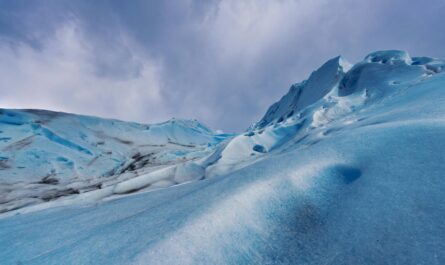
Glacier hiking, also known as glacier trekking, involves walking directly on the surface of a glacier, often with specialized equipment like crampons, ice axes, and ropes. Guided excursions vary in difficulty, from gentle walks on relatively flat glaciers to technical climbs requiring rope techniques and ice climbing skills.
What to Expect
- Equipment Provided by Guides: Proper boots, crampons, helmets, and harnesses.
- Physical Demands: Moderate to strenuous; requires balance, stamina, and sometimes experience with uneven terrain.
- Duration: Half-day to full-day hikes, sometimes including overnight trips on larger glaciers.
- Terrain: Crevasses, ice ridges, and sometimes snow-covered areas; trekking may also include rocky moraine approaches.
Highlights
- Walking on ancient ice formations and exploring crevasses or ice caves.
- Close-up views of glacial features, such as seracs, moulins, and glacial streams.
- The sense of immersion in a remote, icy landscape that few visitors experience.
Pros
- Unique adventure with an adrenaline factor.
- Opportunity for photography from unusual perspectives.
- Deeper understanding of glacier dynamics and formations.
Cons
- Physical and safety requirements can exclude less fit travelers.
- Dependent on weather and guide availability.
- Costs are generally higher than simple viewing tours.
2. Understanding Glacier Viewing
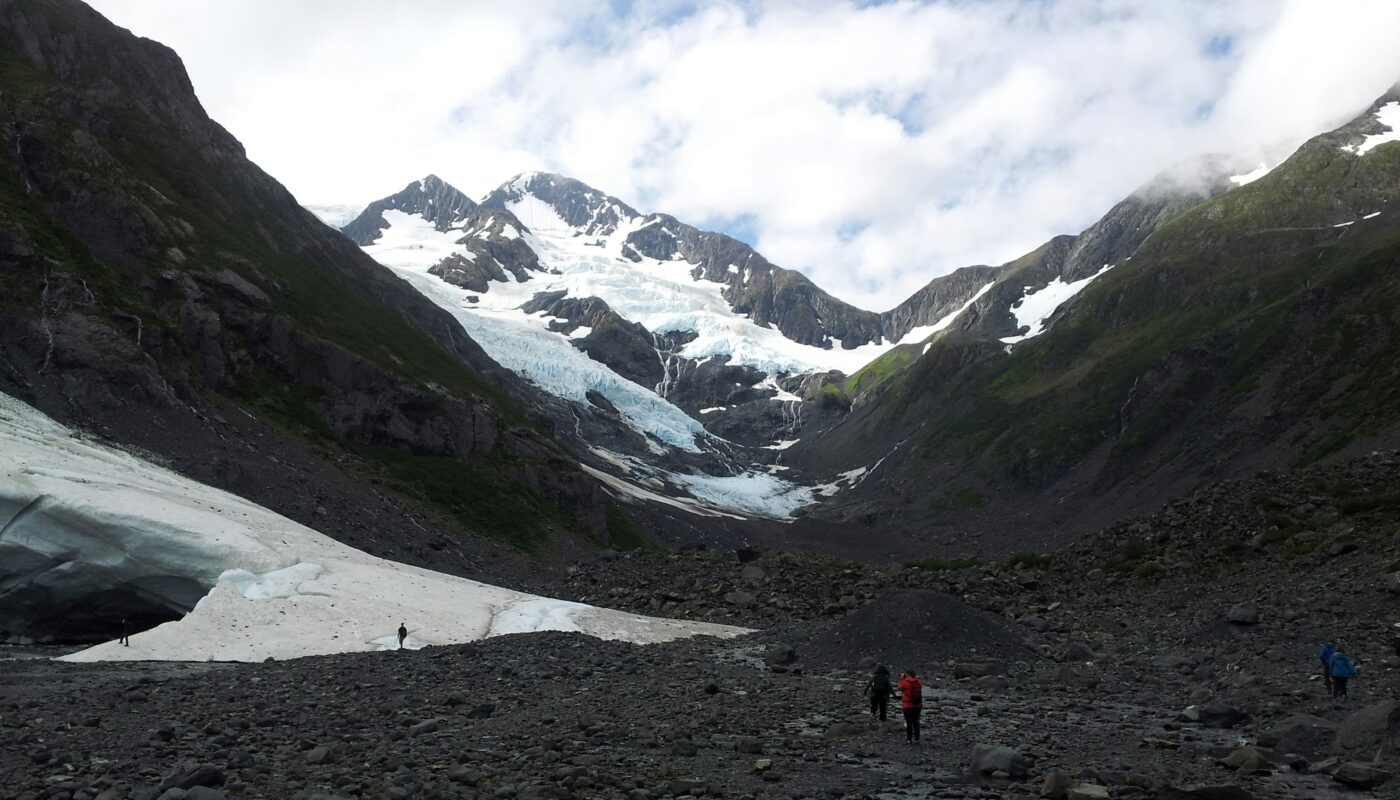
Glacier viewing, in contrast, is a passive experience. Visitors observe glaciers from a safe distance, often from viewpoints, scenic drives, or boat tours. This option is ideal for those seeking awe-inspiring sights without physically traversing ice.
What to Expect
- Accessibility: Easily accessible for most travelers, including families, seniors, and people with limited mobility.
- Physical Demands: Minimal; may involve walking short distances or navigating viewing platforms.
- Duration: From a short stop at a scenic lookout to multi-hour guided boat tours.
- Perspective: Offers panoramic views of glaciers, often framed by surrounding mountains or water bodies.
Highlights
- Seeing massive ice flows, crevasse patterns, and glacier termini.
- Observing calving events where chunks of ice break into water.
- Enjoying dramatic landscapes without strenuous effort.
Pros
- Accessible to virtually everyone.
- Lower risk and lower cost than glacier hiking.
- Can include educational commentary about the glacier and environment.
Cons
- Lack of hands-on interaction with ice features.
- Cannot experience the tactile and immersive aspects of glacier hiking.
- May be crowded at popular viewpoints, especially in peak season.
3. Comparing Accessibility and Skill Requirements
Glacier Hiking
- Requires moderate fitness, balance, and endurance.
- Some routes demand technical knowledge or prior hiking experience.
- Group size is usually limited to allow guides to maintain safety.
Glacier Viewing
- Suitable for all fitness levels.
- No special skills or equipment required.
- Accessible by car, shuttle, or boat in most popular regions.
Verdict: Glacier viewing is the more inclusive option, while glacier hiking appeals to adventurers seeking a physical challenge and closer engagement.
4. Safety Considerations
Safety is a key factor in deciding between glacier hiking and glacier viewing.
Glacier Hiking Risks
- Falling into crevasses or slipping on ice.
- Sudden weather changes, including blizzards or whiteouts.
- Hypothermia or frostbite if not properly equipped.
Mitigation Measures
- Guided tours with experienced instructors.
- Use of specialized gear like helmets, harnesses, and crampons.
- Awareness of weather forecasts and glacier conditions.
Glacier Viewing Risks
- Generally minimal, but watch for slippery rocks at viewpoints.
- Some boat tours may involve choppy waters or cold temperatures.
Verdict: Glacier viewing offers a safer experience, suitable for travelers concerned about risk.
5. Cost Comparison
Glacier Hiking
- Typically ranges from $100 to $400 USD per person, depending on the glacier, duration, and whether specialized equipment is provided.
- Multi-day guided treks in remote areas may cost more.
Glacier Viewing
- Costs can range from free scenic viewpoints to $50–$150 USD for boat or guided tours.
- Includes transportation and sometimes educational commentary.
Verdict: Glacier viewing is generally more budget-friendly, while glacier hiking is an investment in a unique, hands-on experience.
6. Timing and Seasonality
Glacier experiences are highly seasonal.
Best Time for Hiking
- Summer months in the Northern Hemisphere (June–September) for stable weather and daylight.
- Requires careful planning in regions like Patagonia, where unpredictable weather can affect accessibility.
Best Time for Viewing
- Glacier viewing can be enjoyed year-round in many regions.
- Winter viewing often includes spectacular ice formations and snow-capped peaks, though access may be limited in some areas.
Verdict: Glacier hiking is more sensitive to timing and weather, while glacier viewing offers more flexibility.
7. Environmental Impact
Glacier Hiking
- Small groups with guides usually have minimal impact, but off-trail exploration can disturb fragile ecosystems.
- Responsible operators emphasize Leave No Trace principles, including avoiding litter and respecting wildlife.
Glacier Viewing
- Viewing from designated platforms or boat tours reduces human impact.
- Popular viewpoints may become crowded, but careful management can minimize environmental stress.
Verdict: Both experiences can be sustainable if guided responsibly, but glacier viewing generally imposes less environmental strain.
8. Experiential Differences
Glacier Hiking
- Immersive and tactile: feeling the ice beneath your boots, hearing the crackling of glaciers, and walking among seracs.
- Opportunities for adventure photography from unique angles.
- Sense of accomplishment and personal connection with nature.
Glacier Viewing
- Spectacular visual experience from multiple perspectives.
- Ideal for panoramic photography and capturing calving events.
- Allows for relaxed, contemplative appreciation of glacial landscapes.
Verdict: While glacier viewing gives accessibility and expansive views, glacier hiking offers intimacy and adventure.
9. Consider Your Goals
When choosing between glacier hiking and viewing, consider your priorities:
- Adventure & Immersion: Glacier hiking is unmatched for hands-on experiences.
- Safety & Accessibility: Glacier viewing accommodates almost all travelers.
- Photography: Hiking allows unique close-up shots; viewing enables wide panoramic compositions.
- Time & Budget: Viewing often requires less time and is more affordable.
- Fitness Level: Hiking requires moderate fitness; viewing requires minimal effort.
10. Popular Destinations for Both Experiences
Norway
- Hiking: Folgefonna Glacier, Jostedalsbreen Glacier
- Viewing: Geirangerfjord, Briksdal Glacier viewpoints
New Zealand
- Hiking: Franz Josef and Fox Glacier guided treks
- Viewing: Milford Sound and Tasman Glacier viewpoints
Patagonia, Chile & Argentina
- Hiking: Grey Glacier and Perito Moreno Glacier treks
- Viewing: Boat tours in Torres del Paine or Lago Grey
Alaska, USA
- Hiking: Matanuska Glacier guided ice walks
- Viewing: Glacier Bay National Park boat tours
11. Safety and Preparation Tips
For Glacier Hiking
- Wear layered clothing, waterproof and insulated gear.
- Use crampons and helmets provided by certified guides.
- Bring snacks, water, and sunscreen for high-altitude conditions.
- Always follow guide instructions and stay within marked areas.
For Glacier Viewing
- Dress warmly; conditions can be windy and cold.
- Bring binoculars or zoom lenses for wildlife and ice calving.
- Follow posted safety signs on platforms and boat decks.
- Arrive early to avoid crowds and get the best views.
12. Conclusion: Choosing Your Ideal Glacier Experience
Glacier hiking and glacier viewing each offer distinct experiences of some of the world’s most iconic landscapes. Hiking provides adventure, immersion, and unique perspectives, appealing to those who seek hands-on exploration and physical challenge. Viewing, on the other hand, offers safe, accessible, and breathtaking panoramas, ideal for travelers of all ages, fitness levels, or budgets.
Ultimately, the choice depends on your adventure tolerance, physical fitness, time, and budget. For some, a combination is ideal: start with viewing to appreciate the grandeur and then, if you are ready, step onto the ice for a guided hike. Either way, glaciers promise an unforgettable experience, connecting travelers to the immense power and timeless beauty of our planet’s frozen landscapes.
By choosing responsibly, following safety guidelines, and respecting the fragile environment, you can ensure that glaciers continue to inspire and awe generations of travelers to come.