 by
by Extreme cold environments are often perceived as barren and lifeless, yet nature proves time and again that life finds a way. Microbes thriving in ice and subzero conditions are not only fascinating but also essential to understanding ecosystems, climate change, and even the potential for life on other planets. From the icy expanses of glaciers to the permafrost of polar regions, these microscopic organisms survive, adapt, and sometimes even flourish under conditions that would be lethal to most life forms.
This comprehensive guide explores the world of ice-dwelling microbes, their survival strategies, ecological roles, and implications for science and technology.
The Nature of Ice Environments
Glaciers and Ice Sheets
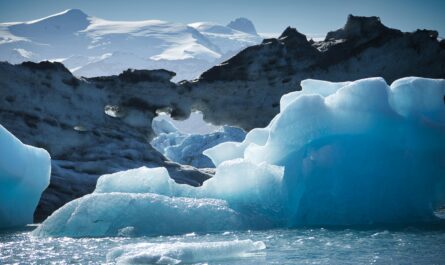
Glaciers and ice sheets are massive reservoirs of frozen freshwater, covering large portions of the Earth in regions such as Antarctica, Greenland, and high-altitude mountains. Within these seemingly inert expanses exists a complex ecosystem:
- Cryoconite holes: Small meltwater ponds on glacier surfaces, often containing sediment, organic matter, and microbial life.
- Subglacial lakes: Liquid water pockets beneath kilometers of ice, harboring unique microbial communities.
- Firn and ice cores: Layers of compressed snow and ice trap microbes, dust, and ancient DNA, providing a timeline of microbial history.
Permafrost
Permafrost is permanently frozen soil found in polar and high-altitude regions. It contains ice crystals interspersed with soil particles and organic matter, creating microhabitats for microbes that can remain dormant for thousands of years, awaiting favorable conditions.
Sea Ice
Polar seas form seasonal ice, creating habitats where microbes survive in brine channels—tiny pockets of concentrated saltwater within the ice. These channels are nutrient-rich, supporting microbial growth despite freezing temperatures.
Microbial Life in Ice
Microbes inhabiting extreme cold include bacteria, archaea, fungi, algae, and viruses. These organisms have evolved remarkable adaptations to survive:
Bacteria and Archaea
Cold-adapted bacteria and archaea, often referred to as psychrophiles, thrive at temperatures below 5°C:
- Membrane Adaptations: Their cell membranes contain unsaturated fatty acids to maintain fluidity at low temperatures.
- Antifreeze Proteins: Some species produce proteins that prevent ice crystal formation inside their cells, protecting cellular integrity.
- Metabolic Flexibility: Many can switch metabolic pathways to utilize limited nutrients or survive in dormant states.
Fungi
Fungi, including yeasts and filamentous species, inhabit snow and ice surfaces:
- Pigmentation: Dark pigments like melanin protect against UV radiation and oxidative stress.
- Cold Enzyme Production: They produce enzymes that remain active at subzero temperatures, facilitating nutrient cycling.
Algae
Algae thrive in snow and ice, often visible as red, green, or orange patches called “snow algae”:
- Photosynthesis in Low Light: Adaptations allow photosynthesis under low sunlight and short growing seasons.
- Cryoprotectants: Sugars and proteins protect cellular structures from freezing.
Viruses
Viruses persist in ice as particles infecting microbial hosts. They influence microbial population dynamics, gene exchange, and ecosystem functions.
Survival Strategies in Extreme Cold
Microbes in ice employ several survival strategies to endure harsh conditions:
Dormancy and Sporulation
- Microbes can enter dormant states or form spores, reducing metabolic activity to near-zero levels.
- This allows survival for decades or even millennia until conditions become favorable.
Extracellular Polymeric Substances (EPS)
- Many ice microbes produce EPS, a gel-like substance that surrounds cells.
- EPS acts as a protective barrier against desiccation, UV radiation, and freezing.
DNA Repair and Protein Stability
- Cold-adapted microbes have efficient DNA repair systems to counteract damage from reactive oxygen species and UV light.
- Cold-stable proteins maintain structure and function despite low temperatures.
Ecological Roles of Ice Microbes
Microbial communities in ice are not just surviving—they are actively shaping their environments:
Biogeochemical Cycling
- Ice microbes contribute to nutrient cycling, including carbon, nitrogen, and sulfur, influencing local and downstream ecosystems.
- For example, microbial activity in glacial meltwater releases nutrients that support freshwater and marine food webs.
Climate Feedbacks
- Some microbes produce pigments or gases that affect ice albedo and greenhouse gas emissions.
- Methane-producing microbes in permafrost can impact atmospheric chemistry during thawing events.
Food Web Foundations
- Algae and bacteria form the base of polar and alpine food webs, supporting invertebrates and higher trophic levels.
Scientific and Practical Implications
Climate Change Research
- Studying ice microbes helps scientists understand how ecosystems respond to warming temperatures.
- Permafrost thaw releases ancient microbes, providing insight into microbial evolution and potential pathogen re-emergence.
Biotechnology
- Industrial uses for cold-adapted enzymes, or psychozymes, include bioremediation, food processing, and medicines.
- Antifreeze proteins inspire innovations in cryopreservation and cold storage technology.
Astrobiology
- Microbes in ice serve as analogs for potential life on icy worlds, such as Europa or Enceladus.
- Their survival strategies inform the search for extraterrestrial life under extreme conditions.
Challenges to Life in Ice
Despite their adaptations, ice-dwelling microbes face significant challenges:
- Temperature Fluctuations: Freeze-thaw cycles can cause mechanical stress and cell damage.
- Limited Nutrients: Ice environments are oligotrophic, requiring efficient nutrient utilization.
- UV Radiation: Snow and ice reflect sunlight, increasing exposure to damaging ultraviolet rays.
- Isolation: Microbes in deep ice or subglacial environments must survive without frequent gene exchange or new populations.
Discoveries from Ice Cores and Permafrost
Scientific exploration of ice cores and permafrost has yielded remarkable discoveries:
- Ancient bacteria revived from permafrost over 30,000 years old.
- Novel species of psychrophilic bacteria and archaea previously unknown to science.
- Evidence of microbial metabolic activity under subzero conditions, challenging traditional assumptions about the limits of life.
How to Study Microbes in Ice
Studying ice microbes requires careful methodology to avoid contamination:
- Ice Core Sampling: Extracting deep cores from glaciers or permafrost.
- Meltwater Culturing: Controlled thawing to culture microbes under laboratory conditions.
- Molecular Analysis: DNA sequencing identifies species and genetic adaptations.
- Microscopy and Imaging: Visualizing cells and biofilms within ice matrices.
Future Directions
Research on ice microbes is rapidly expanding:
- Investigating microbial responses to climate change and glacier retreat.
- Exploring biotechnological applications of cold-adapted enzymes and proteins.
- Understanding microbial interactions in extreme environments, including implications for planetary exploration.
- Monitoring microbial influence on biogeochemical cycles and greenhouse gas emissions.
Conclusion
Life in extreme cold demonstrates the remarkable resilience and adaptability of microbes. From glaciers and permafrost to sea ice, these microscopic organisms survive and even thrive under conditions that would be lethal to most other life forms. Their survival strategies, ecological roles, and potential applications in biotechnology and astrobiology highlight their importance far beyond their frozen habitats.
Studying microbes in ice not only deepens our understanding of life’s limits on Earth but also provides insights into global climate systems, ecosystem dynamics, and the potential for life on other planets. The frozen world, once thought barren, is in fact a hidden universe teeming with microscopic life, offering endless opportunities for discovery and innovation.