 by
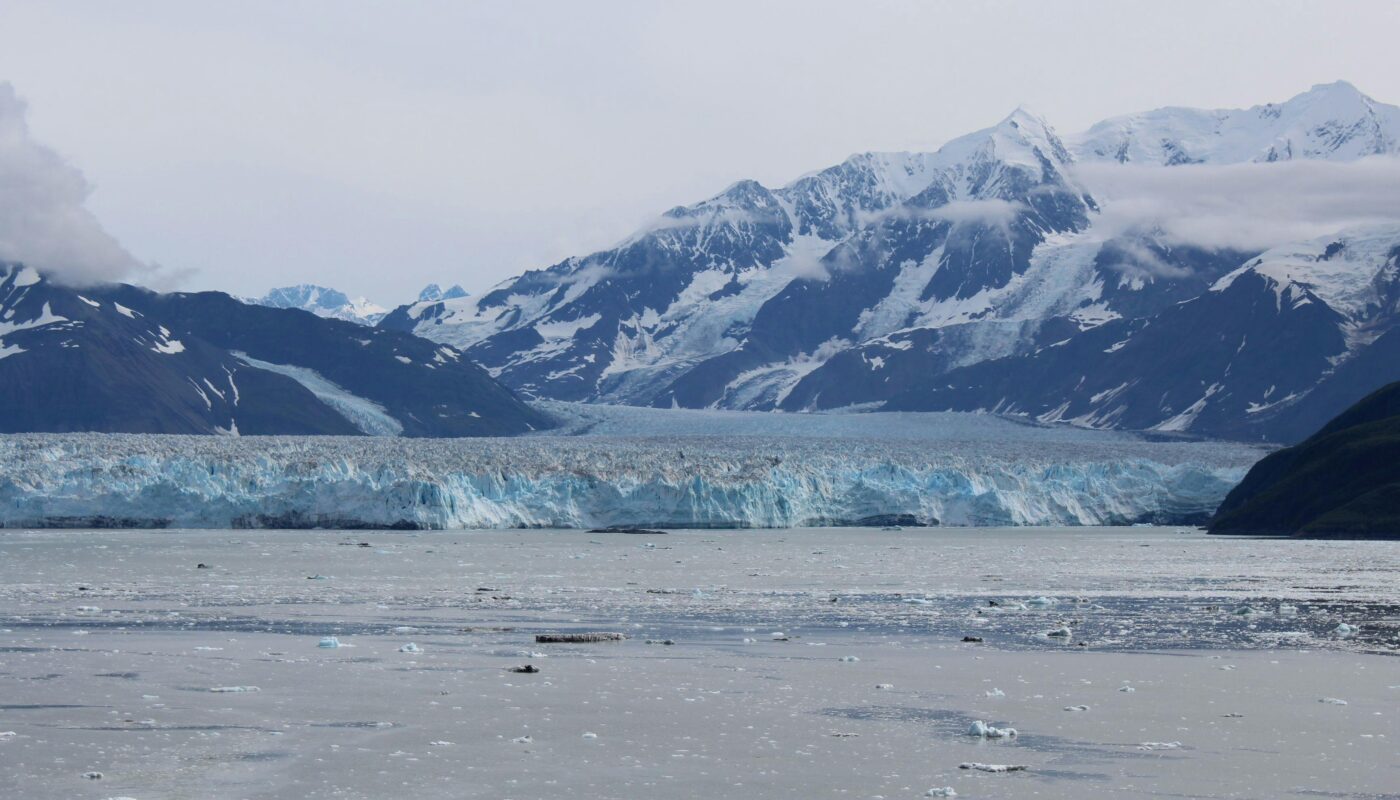
by Glaciers are often perceived as static, timeless ice formations dominating high mountains and polar landscapes. Yet glaciers are dynamic, constantly advancing and retreating in response to climate, snowfall, and temperature fluctuations. Over the past century, accelerated warming has caused many of the world’s glaciers to shrink at unprecedented rates. While glacier retreat is frequently associated with loss—such as reduced freshwater reserves and rising sea levels—it also creates new ecological opportunities. Areas previously locked in ice become exposed, giving rise to entirely new ecosystems, species colonization, and evolving landscapes.
This article explores how glacier retreat fosters the development of new ecosystems, the stages of ecological succession following ice melt, and the broader implications for biodiversity, conservation, and environmental research.
Understanding Glacier Retreat
Glacier retreat occurs when ice melting at the glacier’s terminus exceeds the accumulation of new snow and ice. Unlike seasonal snow melting, glacier retreat represents a long-term loss of ice volume.
Key drivers include:
- Global warming: Rising temperatures accelerate surface melt.
- Reduced snowfall: Less accumulation during winter means glaciers cannot replenish lost ice.
- Soot and debris: Dark particles on glacier surfaces increase heat absorption, further accelerating melting.
As glaciers shrink, the terrain they once occupied is revealed. This newly exposed ground, often called glacial foreland, presents a unique environment for ecological colonization.
The Birth of a New Ecosystem
Newly exposed terrain is a blank slate. Although initially barren and inhospitable, glacial forelands gradually develop into complex ecosystems over time.
Primary Succession
The ecological process that unfolds in these areas is called primary succession—the establishment of life on surfaces that previously lacked soil or vegetation. Unlike secondary succession, which occurs in disturbed areas with pre-existing soil, primary succession starts from bare rock, gravel, or moraine deposited by the glacier.
Stages of primary succession include:
- Pioneer species colonization
- Mosses and lichens are frequently the first organisms to establish themselves.
- These organisms break down rocks, forming initial soil and adding organic matter.
- Soil development and microbial growth
- As organic material accumulates, microorganisms and small invertebrates take hold.
- Nutrient cycles slowly emerge, providing the foundation for higher plants.
- Herbaceous plants and shrubs
- Grasses, wildflowers, and hardy shrubs establish as soil depth increases.
- Plant communities diversify, creating habitats for insects, birds, and small mammals.
- Forest or climax ecosystem formation
- Over centuries, ecosystems may mature into forests or other stable communities, depending on climate and elevation.
Unique Features of Glacier-Foreland Ecosystems
Glacial forelands are not just empty lands waiting for life—they are dynamic, harsh environments that produce distinctive ecological characteristics.
Extreme Conditions
Newly exposed terrain often features:
- Poor, rocky soils
- Rapid temperature fluctuations
- Limited water retention
- Exposure to wind and UV radiation
These extreme conditions select for specialized species that can survive in nutrient-poor, unstable environments.
High Biodiversity Potential
Despite initial harshness, glacial forelands often become biodiversity hotspots:
- Specialized plants adapt to low-nutrient conditions.
- Invertebrates such as springtails, beetles, and spiders colonize early.
- Birds and mammals move in as vegetation provides cover and food.
The combination of isolation, environmental stress, and new niches encourages the emergence of unique and sometimes endemic species.
Case Studies of Glacier Retreat Ecosystems
1. European Alps
In regions like the Swiss and Austrian Alps, receding glaciers have exposed large forelands where ecological succession is visible over decades.
- Early colonizers: Lichens, mosses, and hardy grasses
- Mid-succession: Shrubs and small flowering plants
- Late succession: Alpine meadows supporting insects, birds, and small mammals
Research in the Alps shows that these newly formed ecosystems act as natural laboratories for studying species adaptation to harsh conditions and climate change.
2. Patagonia
In southern Chile and Argentina, retreating glaciers such as the Perito Moreno glacier reveal expansive valleys.
- Glacial forelands in Patagonia often experience high rainfall and nutrient-rich soils from glacial sediments.
- Pioneer plant species like mosses, liverworts, and cushion plants establish quickly.
- Birds and herbivores rapidly colonize, forming new food webs.
Patagonian forelands highlight the rapid pace at which life can establish in formerly ice-covered terrain.
3. Himalayas
High-altitude glaciers in Nepal and India retreat to reveal moraines and rocky valleys.
- Soil development is slow due to cold temperatures and limited precipitation.
- Pioneer species include hardy lichens and dwarf shrubs.
- Over centuries, new alpine meadows form, supporting unique mountain wildlife.
Himalayan glacier forelands illustrate that ecosystem development is slower in extreme climates but still follows recognizable stages of succession.
Factors Influencing New Ecosystem Development
Several variables determine how ecosystems evolve following glacier retreat:
- Climate
- Temperature, precipitation, and sunlight influence species colonization and soil formation.
- Glacial debris
- The type of rocks and sediments left by glaciers affects nutrient availability and drainage.
- Elevation
- Higher elevations experience colder temperatures and slower succession.
- Proximity to seed sources
- Nearby forests or meadows accelerate colonization.
- Isolated forelands rely on wind, birds, or animals to transport seeds.
- Human intervention
- Tourism, grazing, and conservation efforts can accelerate or impede natural succession.
Ecological Significance
Glacial forelands and newly formed ecosystems play vital roles in broader environmental systems:
- Carbon sequestration: Pioneer plants capture carbon and contribute to soil formation.
- Habitat creation: New niches support diverse flora and fauna.
- Biodiversity resilience: These areas serve as refuges for species adapting to changing climates.
- Hydrological impact: Vegetation stabilizes soil and influences water runoff, affecting downstream ecosystems.
Threats to Glacier-Foreland Ecosystems
Although new ecosystems emerge, they are fragile and face threats:
- Climate variability: Sudden warming, drought, or extreme events can disrupt early succession.
- Invasive species: Non-native plants and animals may outcompete pioneer species.
- Human activity: Hiking trails, skiing, and construction can damage fragile soils and plant communities.
Conservation strategies are essential to protect these transient and vulnerable ecosystems.
Scientific and Educational Value
Glacier forelands offer unique opportunities for research:
- Study of primary succession in real time
- Observation of species adaptation to extreme conditions
- Insights into climate change effects on biodiversity and hydrology
- Natural laboratories for geology and soil science
Educational programs increasingly use glacier forelands to teach ecology, evolution, and climate science.
The Human Connection
Glacier retreat also influences human communities:
- New landscapes can become hiking trails, research stations, or tourist attractions.
- Traditional knowledge may adapt to shifting environments, such as pastoralists using newly exposed land.
- Awareness of rapidly changing ecosystems promotes climate action and conservation efforts.
Humans are both observers and participants in these evolving landscapes.
Conclusion
Glacier retreat is a double-edged sword. While it signals climate change and environmental stress, it simultaneously opens the door to new ecosystems, biological diversity, and scientific discovery. Bare rock and moraine transform into moss-covered soils, then herbaceous meadows, and eventually complex habitats supporting birds, insects, and mammals.
These emerging ecosystems illustrate nature’s resilience and adaptability. They provide scientists, conservationists, and visitors with unique insights into primary succession, species colonization, and the dynamic interplay between geology, climate, and life.
Understanding glacier forelands underscores a broader ecological lesson: even in the wake of loss, the Earth continually regenerates, creating spaces for new life to flourish. Protecting these evolving landscapes is critical—not only to preserve biodiversity but to ensure that future generations can witness the remarkable transformation of ice into life.