 by
by High in the world’s greatest mountain ranges lies one of the most important freshwater systems on Earth. Snow-covered peaks, massive glaciers, frozen valleys, and elevated plateaus work together to form a natural storage network that supplies water to much of Asia. This system is often referred to as the Himalayan water towers—a term that reflects their role in collecting, storing, and distributing water across vast distances.
From farming communities to industrial centers and major metropolitan regions, hundreds of millions of people rely on rivers that originate in these mountains. Without the seasonal release of meltwater from snow and glaciers, many downstream regions would struggle to maintain stable water supplies throughout the year.
Understanding the Himalayan water towers helps explain how mountain ecosystems support human life far beyond their borders—and why protecting them is critical for the future.
What Makes the Himalayan Region a “Water Tower”?
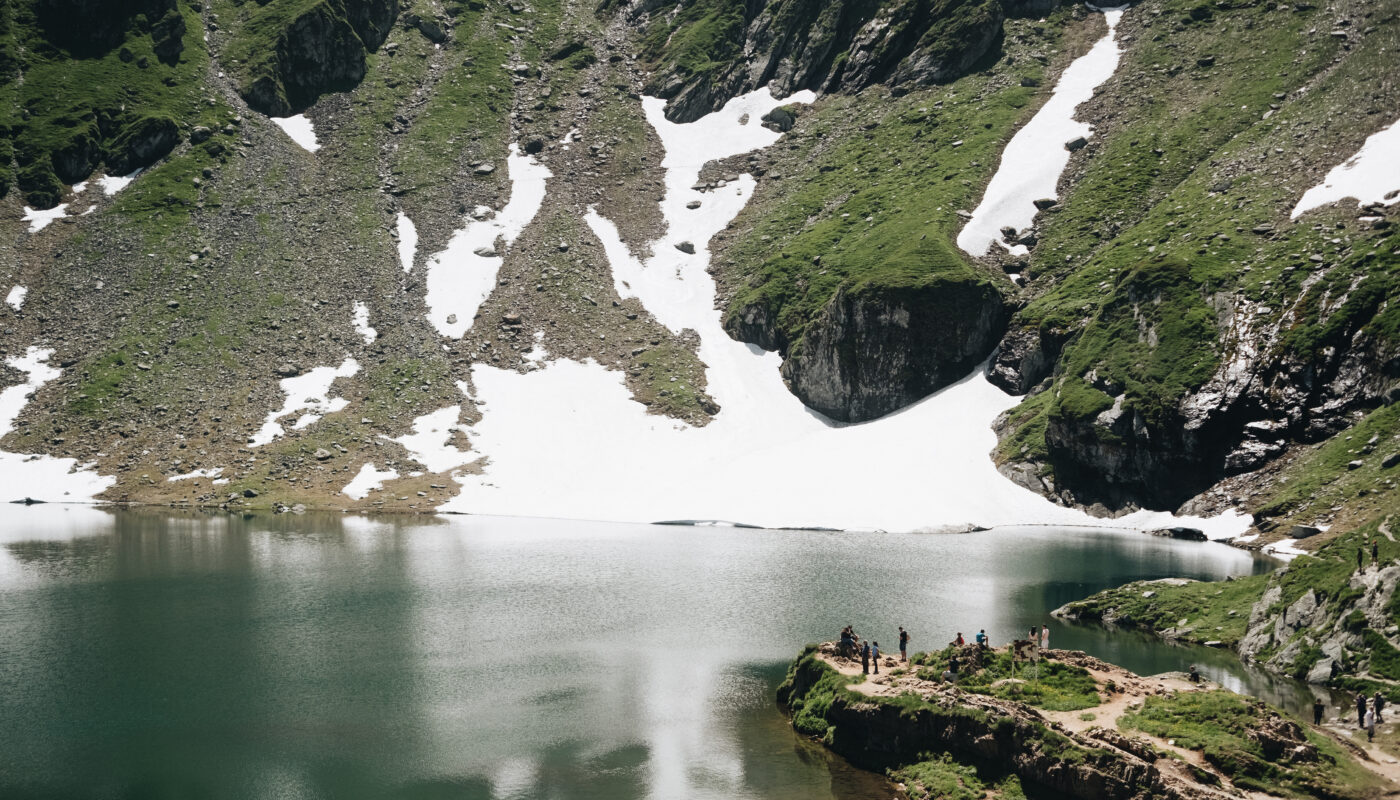
The phrase “water tower” describes a landscape that gathers precipitation at high elevation and gradually releases it into surrounding areas. In the case of the Himalayas and adjacent ranges, winter snowfall accumulates across peaks and high valleys. Over time, this snow compacts into ice, forming glaciers that act as long-term freshwater reserves.
These frozen reservoirs store water during cold months. When temperatures rise in spring and summer, part of the ice melts. The resulting water flows into streams and rivers, traveling thousands of kilometers toward lowland regions.
This process turns mountain landscapes into natural regulators of water supply. Instead of rivers drying out completely during dry seasons, glacier-fed systems continue delivering water even when rainfall is limited.
Because of this function, the Himalayan mountain system is sometimes called the “Third Pole,” since it holds the largest concentration of ice outside the Arctic and Antarctica.
The Mountain System Behind the Water Supply
The Himalayan water towers are not limited to a single mountain chain. They include several interconnected ranges across Central and South Asia.
The core region consists of the Himalayas, but surrounding ranges such as the Karakoram, Hindu Kush, Pamir, and Tien Shan also contribute significantly to water storage. Together, these mountains form a vast high-altitude network that collects snowfall and sustains glaciers.
A key feature of this region is the Tibetan Plateau. Elevated far above sea level, it serves as a massive cold zone where snow accumulates and feeds multiple major rivers. Because of its size and altitude, it plays a central role in the continent’s hydrological balance.
This interconnected mountain environment influences water systems across multiple countries, making it one of the most geopolitically and environmentally important regions in the world.
Rivers Born in the Mountains
Many of Asia’s largest and most significant rivers originate in the Himalayan and Tibetan region. These rivers provide drinking water, irrigation, transportation routes, energy production, and ecosystem support.
Among the major river systems supplied by the Himalayan water towers are:
- Indus
- Ganges
- Brahmaputra
- Yangtze
- Yellow River
- Mekong
- Salween
- Irrawaddy
These rivers support a combined population of billions of people across South, East, and Southeast Asia. They irrigate farmland, sustain fisheries, power cities, and support natural habitats.
Because these rivers cross national boundaries, their management often requires cooperation between countries sharing the same watershed.
Glaciers as Natural Water Storage
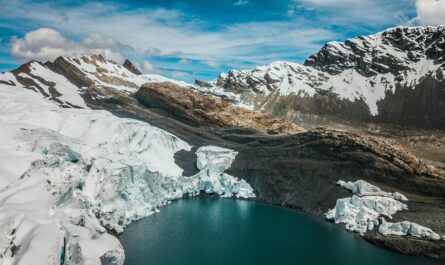
Glaciers are the most visible component of the Himalayan water towers. These enormous bodies of ice form over centuries as layers of snow accumulate, compress, and transform into dense glacial ice.
Unlike seasonal snow, glaciers provide long-term storage. They do not melt entirely each year; instead, they slowly release water over extended periods. This gradual melting helps maintain river flow consistency.
During dry seasons, glacier melt becomes especially important. In areas where rainfall decreases, meltwater can help sustain agriculture and drinking supplies.
However, glaciers are not static. They constantly respond to climate conditions. When temperatures rise or snowfall patterns shift, glaciers may shrink or grow. Their long-term stability depends heavily on regional climate trends.
Supporting Agriculture Across Asia
Agriculture across much of Asia depends on rivers flowing from the Himalayas. Downstream plains, such as the fertile lowlands of South Asia and eastern China, rely on steady water supplies for crop production.
Irrigation systems draw water from these rivers to grow staple crops like rice and wheat. Seasonal meltwater helps ensure that farming communities have access to water even when monsoon rains fluctuate.
In densely populated agricultural regions, consistent river flow is essential for food security. Without glacier-fed systems, crop production could become more vulnerable to drought.
The relationship between mountain snow and lowland agriculture demonstrates how distant ecosystems can shape human livelihoods far away.
Hydropower and Economic Development
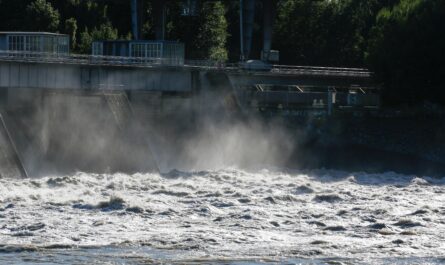
Mountain rivers descending rapidly from high elevations create ideal conditions for hydropower generation. As water flows downhill, its kinetic energy can be converted into electricity through dams and turbines.
Many countries within the Himalayan watershed have developed hydroelectric projects to support growing energy demands. Hydropower is considered a renewable energy source because it relies on naturally flowing water.
For mountainous nations, these rivers provide opportunities for domestic energy production. However, balancing energy development with environmental protection requires careful planning, especially in shared river basins.
Cultural Connections to Mountain Waters
Beyond environmental and economic significance, Himalayan rivers hold deep cultural meaning. Many communities view these waters as sacred or spiritually important.
Rivers like the Ganges are central to religious traditions, rituals, and festivals. Mountain glaciers and high-altitude lakes are often regarded as symbols of purity and natural balance.
For centuries, civilizations have developed around these waterways. Settlements, trade routes, and agricultural societies flourished because the rivers provided reliable water access.
The Himalayan water towers therefore represent both ecological infrastructure and cultural heritage.
Climate Change and Glacier Retreat
One of the greatest challenges facing the Himalayan water towers is global climate change. Rising temperatures are influencing snow patterns, glacier size, and seasonal melt cycles.
Scientific observations show that many glaciers in the region are retreating. As ice melts more quickly than it accumulates, long-term storage capacity may decline.
In the short term, increased melting can lead to higher river flows and potential flooding. However, if glaciers shrink significantly over time, downstream water availability during dry seasons may decrease.
This shift could impact agriculture, hydropower production, and drinking water supplies. Because so many people depend on these rivers, changes in glacier behavior may have widespread consequences.
Glacial Lakes and Natural Hazards
As glaciers melt, water sometimes collects in newly formed lakes at high elevations. These glacial lakes can be unstable, especially if their natural ice or rock dams weaken.
If such a dam fails, it can cause sudden flooding events known as glacial lake outburst floods. These floods may travel quickly downstream, damaging infrastructure and affecting communities.
Other natural hazards in the region include landslides and avalanches. Mountain environments are dynamic and constantly evolving, particularly as climate conditions shift.
Monitoring these risks has become an important focus for scientists and policymakers.
Scientific Monitoring and Research
Researchers use satellite imagery, climate models, and field studies to track glacier changes and snowpack trends. These tools help evaluate how water availability may change in the future.
International cooperation is also essential because rivers cross political borders. Water management strategies must consider both upstream and downstream needs.
Organizations working in mountain development focus on sustainable practices, disaster preparedness, and environmental monitoring. Their goal is to improve understanding of how the water towers function and how they can be preserved.
The Future of Asia’s Mountain Water System
The Himalayan water towers are one of the most important natural systems supporting human civilization. They regulate water flow, sustain agriculture, generate electricity, and shape ecosystems across a vast region.
Yet their stability depends on environmental conditions that are changing. Continued glacier monitoring, climate action, and cooperative water management will play critical roles in ensuring long-term water security.
Protecting high-altitude ecosystems benefits not only mountain communities but also the billions of people living downstream. The health of these glaciers directly influences food production, energy supply, and economic development throughout Asia.
Why the Himalayan Water Towers Matter Globally
Although centered in Asia, the significance of this system extends worldwide. It demonstrates how mountain regions can function as essential environmental infrastructure. It also highlights the interconnectedness of climate, geography, and human society.
When glaciers accumulate snow, they preserve water for future use. When they release meltwater, they sustain rivers that feed cities and farms. This natural cycle supports life across continents.
As global temperatures continue to change, maintaining the balance of this mountain reservoir will remain one of the most pressing environmental challenges of the 21st century.
The Himalayan water towers are more than frozen peaks and icy valleys—they are a hidden lifeline shaping the future of an entire continent.