 by
by In the icy wilderness of southeastern Alaska, one glacier stands out not only for its size but for the speed at which it is transforming the landscape around it. Columbia Glacier, located in the Prince William Sound region, is widely recognized as one of the most rapidly retreating glaciers in the world. Its dramatic changes over the past few decades have made it a key focus for scientists studying climate dynamics, ocean interactions, and glacier behavior.
What makes Columbia Glacier especially fascinating is not just that it is shrinking, but how quickly and unpredictably it is doing so. This once-stable river of ice has entered a phase of rapid transformation that continues to reshape valleys, fjords, and scientific understanding alike.
A Massive Glacier in Prince William Sound
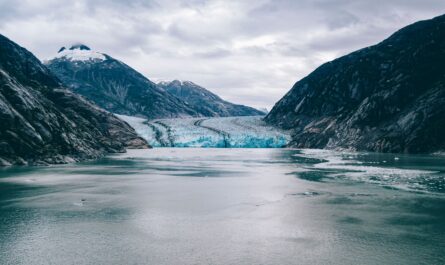
Columbia Glacier begins high in the Chugach Mountains, where heavy snowfall compresses into dense glacial ice over time. From there, it flows steadily downhill until it reaches the waters of Prince William Sound in Alaska.
For many years, this glacier remained relatively stable, maintaining a consistent position where it met the sea. Early observations from explorers and later researchers showed little significant change in its terminus location for decades. The glacier appeared to be in a long-standing equilibrium.
That balance, however, eventually broke.
The Beginning of Rapid Retreat
Around the early 1980s, Columbia Glacier underwent a dramatic shift in behavior. Instead of maintaining its position, the glacier began retreating inland at a remarkable pace. This transition marked the start of one of the most significant glacier changes ever recorded in North America.
Since then, the glacier has retreated by more than 20 kilometers (about 12 miles). This change has been continuously tracked through satellite imagery, field studies, and aerial observations, all confirming the same trend: sustained and accelerating ice loss.
Why Columbia Glacier Is Shrinking So Quickly
The rapid retreat of Columbia Glacier is the result of several interacting processes rather than a single cause.
1. Tidewater Glacier Dynamics
Columbia Glacier is a tidewater glacier, meaning it ends directly in the ocean. This exposes it to a natural process called calving, where large pieces of ice break off into the sea and form icebergs.
While calving is normal, it can become self-reinforcing. As the glacier retreats into deeper water, it becomes less stable, which increases iceberg production. This, in turn, accelerates further retreat.
2. Loss of Grounding Support
In its earlier stable phase, the glacier was partially anchored by underwater ridges and sediment formations that helped slow its movement. These natural “anchors” acted like stabilizing points.
Once the glacier retreated beyond these supports, it lost much of its resistance to flow. Without these grounding features, the ice could move more freely, speeding up the retreat process.
3. Ice Thinning and Weakening
Another major factor is the gradual thinning of the glacier. As temperatures rise and melting increases at the surface and base, the glacier loses mass and structural strength.
Thinner ice is more vulnerable to cracking and breaking, which leads to more frequent calving events. Over time, this weakens the entire glacier system and contributes to faster retreat.
4. Influence of Ocean Waters
The ocean plays a hidden but powerful role in Columbia Glacier’s transformation. Warmer seawater can erode the glacier from below, melting the submerged ice and weakening its foundation.
Even subtle changes in ocean temperature can significantly affect how quickly the glacier retreats, especially in tidewater environments like this one.
A Landscape in Constant Change
As Columbia Glacier retreats, it leaves behind a dramatically altered environment.
- New lakes form in areas once covered by ice
- Bare rock and sediment fields are exposed
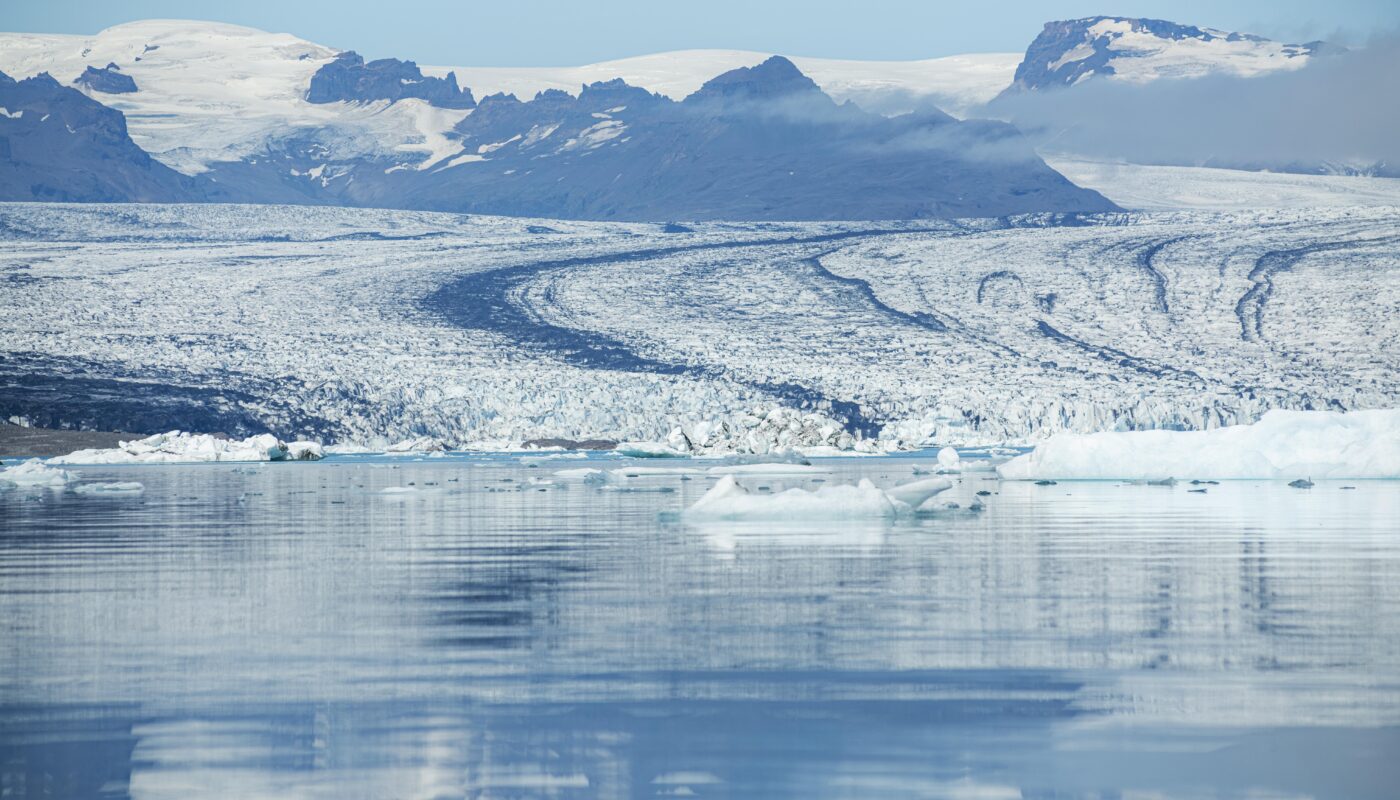
- Large numbers of icebergs fill the fjord
- Wildlife and vegetation slowly begin returning to newly uncovered land
These changes happen gradually but steadily, turning a frozen landscape into a dynamic and evolving ecosystem.
Scientific Importance of the Glacier
Columbia Glacier is one of the most closely studied glaciers in the world because it provides valuable insights into how large ice systems respond to environmental change.
Researchers use satellite data and field measurements to track its movement and understand how factors like temperature, ocean conditions, and internal ice dynamics interact.
Its rapid retreat has helped scientists identify critical tipping points in glacier stability—points beyond which retreat becomes self-sustaining even without further external warming.
What the Future May Hold
Predicting the future of Columbia Glacier is complex. One possible scenario is that the glacier will eventually reach shallower terrain, which could slow its retreat. Another possibility is continued rapid shrinkage until much of the ice is lost from its current fjord system.
Either way, the glacier will continue to evolve for many years, offering ongoing insight into natural processes and environmental change.
Why Columbia Glacier Matters Globally
Although it is located in Alaska, Columbia Glacier has global significance. Its melting contributes to sea level rise, and its behavior helps scientists better understand how other tidewater glaciers may respond in a warming world.
Perhaps most importantly, it serves as a visible example of how quickly natural systems can change under the influence of climate and ocean dynamics.
Final Thoughts
Columbia Glacier is far more than a frozen landscape in transition—it is a living record of environmental change. Its rapid retreat highlights the delicate balance that exists between ice, ocean, and climate.
As it continues to shrink and reshape the surrounding land, it remains one of the most important natural laboratories for understanding glacier behavior in the modern world.