 by
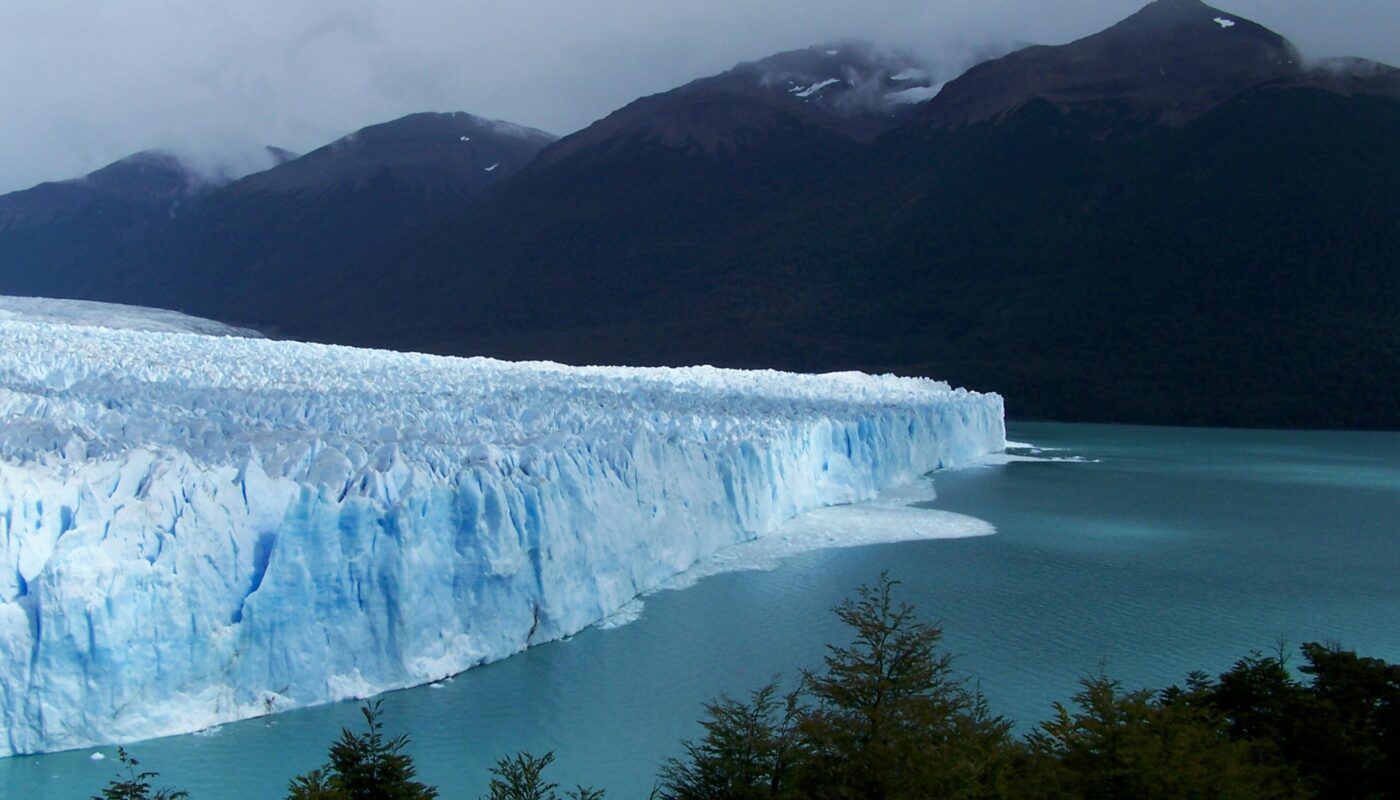
by Glaciers are often thought of as distant, frozen landscapes far removed from everyday human life. Yet, for billions of people around the world, especially those living in mountainous and downstream agricultural regions, glaciers function as critical natural water reservoirs. They store freshwater in winter and release it slowly during warmer months, feeding rivers that irrigate farmland, sustain livestock, and support entire food systems. As global temperatures rise and glaciers retreat at unprecedented rates, the impacts are increasingly being felt far beyond the mountains—particularly in agriculture.
This article explores in detail how glacier melt affects agriculture, both in the short term and long term, and what these changes mean for global food security, farming practices, and rural livelihoods.
The Role of Glaciers in Agricultural Water Supply
To understand the impact of glacier melt, it is important to first recognize the role glaciers play in the water cycle.
Glaciers act as “natural water towers.” During colder months, snowfall accumulates and compresses into ice over time. In warmer months, this ice slowly melts, releasing freshwater into rivers and streams. This seasonal meltwater is especially important in regions where rainfall is irregular or concentrated in short monsoon periods.
For agriculture, this steady release of water is crucial because:
- It maintains river flow during dry seasons
- It stabilizes irrigation systems
- It supports groundwater recharge
- It reduces dependence on unpredictable rainfall
Major river systems such as those originating in the Himalayas, Andes, Alps, and Rocky Mountains depend heavily on glacier-fed meltwater. Millions of farmers rely on these flows for rice paddies, wheat fields, orchards, and grazing lands.
Short-Term Effects: Temporary Water Abundance
One of the earliest impacts of rising temperatures is actually an increase in water availability. As glaciers begin to melt more rapidly, river discharge initially increases. This phase is sometimes referred to as “peak water.”
Increased Irrigation Potential
During this stage, farmers may temporarily benefit from:
- Higher river flow during growing seasons
- Expanded irrigation opportunities
- Improved crop yields in some regions
In the short term, this can create a false sense of security. Agricultural output may even improve slightly in certain glacier-fed regions.
Flooding and Soil Damage
However, this excess meltwater is not entirely beneficial. Increased runoff can lead to:
- River flooding that destroys crops
- Waterlogging of fields, reducing soil oxygen
- Erosion of fertile topsoil
- Damage to irrigation infrastructure such as canals and dams
Flood events can wipe out entire planting seasons, especially in low-lying agricultural zones downstream from glaciers.
Long-Term Effects: Water Scarcity and Agricultural Stress
While short-term glacier melt may increase water flow, the long-term consequences are far more severe.
As glaciers continue to shrink, they eventually reach a point where they can no longer sustain high levels of meltwater runoff. After “peak water,” river flow begins to decline steadily.
Reduced Irrigation Water
For farmers, this translates into:
- Lower river levels during dry seasons
- Reduced irrigation reliability
- Increased competition for water resources
- Greater dependence on rainfall or groundwater extraction
In many regions, irrigation systems are designed around historically stable glacier-fed flows. As those flows diminish, existing infrastructure becomes less effective.
Crop Yield Decline
Water stress directly affects crop production. Reduced irrigation leads to:
- Lower yields of water-intensive crops such as rice and wheat
- Crop failure during drought years
- Shortened growing seasons
- Increased vulnerability to heat stress
This is especially problematic in subsistence farming communities where even small yield reductions can threaten food security.
Groundwater Depletion and Hidden Impacts
As surface water from glaciers becomes less reliable, farmers often turn to groundwater sources such as wells and aquifers. While this can temporarily compensate for reduced river flow, it introduces another set of challenges.
Over-Extraction of Aquifers
Increased reliance on groundwater can lead to:
- Rapid depletion of underground water reserves
- Falling water tables requiring deeper, more expensive wells
- Increased energy costs for pumping water
- Salinization of soil in coastal or arid regions
Unlike glacier meltwater, groundwater is not easily replenished in many agricultural regions. This creates a hidden long-term vulnerability in food systems.
Changes in Seasonal Farming Cycles
Glacier-fed rivers historically provide predictable seasonal patterns of water availability. As glaciers retreat, these patterns become increasingly unstable.
Unpredictable Irrigation Timing
Farmers may face:
- Early-season water shortages
- Mid-season flooding
- Late-season drought conditions
This unpredictability makes it difficult to plan planting and harvesting schedules. Traditional farming calendars that rely on stable water cycles may no longer be reliable.
Crop Switching and Agricultural Adaptation
In response, farmers may be forced to:
- Switch from water-intensive crops (like rice) to drought-resistant crops (like millet or barley)
- Adjust planting dates
- Reduce the number of annual harvests
- Abandon agriculture in extreme cases
These adaptations can significantly alter local food systems and cultural farming practices.
Soil Health and Ecosystem Disruption
Glacier melt does not only affect water availability—it also impacts soil quality and surrounding ecosystems.
Soil Erosion
Increased glacial runoff can cause stronger river currents, which erode riverbanks and farmland. This leads to:
- Loss of fertile topsoil
- Reduced agricultural productivity
- Sedimentation in irrigation channels
Over time, soil degradation can permanently reduce the agricultural potential of land.
Nutrient Imbalance
Flooding and irregular water flows can disrupt soil nutrient cycles. Excess water can wash away essential nutrients such as nitrogen and potassium, leading to poorer crop growth.
Regional Case Patterns: High-Dependence Zones
Although glacier melt is a global issue, its agricultural impacts are most severe in regions where farming is heavily dependent on meltwater.
Mountain-Dependent River Basins
In areas fed by mountain glaciers, agriculture is closely tied to seasonal melt. These regions often experience:
- High sensitivity to temperature changes
- Strong dependence on irrigation channels
- Limited alternative water sources
Semi-Arid Downstream Regions
In dry regions downstream of glaciers, agriculture is especially vulnerable. Farmers in these zones often rely on long-distance river systems for survival, making them highly exposed to upstream glacial changes.
Food Security and Economic Consequences
The agricultural effects of glacier melt extend beyond farms and rural communities. They influence entire economies and global food supply chains.
Rising Food Prices
Reduced agricultural output can lead to:
- Increased cost of staple crops
- Greater market volatility
- Higher import dependence for food-deficit regions
Rural Livelihood Stress
Farmers may face:
- Reduced income
- Increased debt due to irrigation investments
- Migration from rural to urban areas
- Loss of traditional farming livelihoods
This can accelerate rural depopulation and strain urban infrastructure.
Climate Feedback Loops
Glacier melt is both a consequence and a driver of climate change impacts on agriculture.
- Less snow and ice means lower albedo (reflectivity), leading to more heat absorption
- Reduced water availability can force expansion of agriculture into marginal lands
- Land-use changes may increase greenhouse gas emissions
These feedback loops intensify the challenges faced by agricultural systems worldwide.
Adaptation Strategies for Agriculture
Despite the challenges, there are several strategies that can help mitigate the impacts of glacier melt on agriculture.
Improved Water Management
- Construction of efficient irrigation systems (drip and sprinkler irrigation)
- Water storage reservoirs to capture seasonal meltwater
- Better river basin management across regions
Climate-Resilient Crops
- Development of drought-resistant crop varieties
- Diversification of crops to reduce dependence on water-intensive farming
- Use of genetically improved seeds adapted to changing conditions
Sustainable Groundwater Use
- Monitoring and regulating groundwater extraction
- Artificial recharge of aquifers
- Community-based water-sharing systems
Policy and International Cooperation
Since many glacier-fed rivers cross national boundaries, cooperation is essential for sustainable water sharing and agricultural planning.
The Future Outlook
The future of agriculture in a world of shrinking glaciers depends on how quickly societies adapt to changing water systems. If current trends continue, many regions may face increased water scarcity, reduced agricultural productivity, and heightened food insecurity.
However, with proactive planning, technological innovation, and sustainable water management, it is possible to reduce the worst impacts. Agriculture will likely need to become more flexible, diversified, and efficient in order to survive in a post-glacial stability era.
Conclusion
Glacier melt is not a distant environmental issue—it is a direct agricultural concern with far-reaching consequences. In the short term, increased meltwater may provide temporary benefits, but in the long term, the decline of glaciers threatens the stability of water supplies that millions of farmers depend on.
From irrigation shortages and soil degradation to economic instability and food insecurity, the effects are interconnected and complex. Addressing these challenges requires a combination of scientific innovation, sustainable farming practices, and global cooperation.
Ultimately, the story of glacier melt and agriculture is the story of water—how it moves, how it changes, and how deeply human survival depends on its balance.