 by
by The frozen landscapes of the Arctic and Antarctic are among the most extreme environments on Earth. Vast ice sheets, drifting sea ice, and towering glaciers define these regions, creating habitats that are uniquely adapted to cold, stable conditions. However, as global temperatures rise, glaciers are melting at unprecedented rates, reshaping these fragile ecosystems.
For wildlife that depends on ice for survival, the consequences are profound. From hunting challenges to habitat loss and disrupted food chains, melting glaciers are triggering a cascade of ecological changes. Understanding these impacts is essential to grasp the broader consequences of climate change on polar biodiversity.
Understanding Glaciers and Polar Ecosystems
Glaciers are not just frozen masses of ice—they are dynamic systems that influence temperature, ocean circulation, and habitat structure.
In the Arctic, glaciers coexist with seasonal sea ice and tundra landscapes. In contrast, the Antarctic is dominated by a massive ice sheet surrounded by the Southern Ocean.
These icy environments support specialized species that have evolved to thrive in extreme cold. However, this specialization also makes them highly vulnerable to environmental changes.
The Acceleration of Glacier Melt
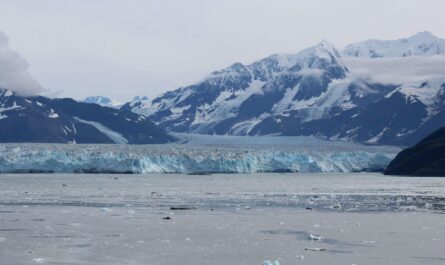
Over recent decades, glaciers in both polar regions have been retreating rapidly. Rising air and ocean temperatures are the primary drivers of this change.
As glaciers shrink, they contribute to:
- Rising sea levels
- Changes in ocean salinity
- Altered habitats for wildlife
The pace of melting is faster than many ecosystems can adapt, creating significant challenges for survival.
Habitat Loss: A Shrinking World for Ice-Dependent Species
Polar Bear
One of the most well-known victims of glacier and sea ice loss is the polar bear. These animals rely on sea ice as a platform for hunting seals.
Impact of Melting Ice:
- Reduced access to prey
- Longer swimming distances
- Increased energy expenditure
As ice forms later and melts earlier each year, polar bears are forced to spend more time on land, where food is scarce.
Emperor Penguin
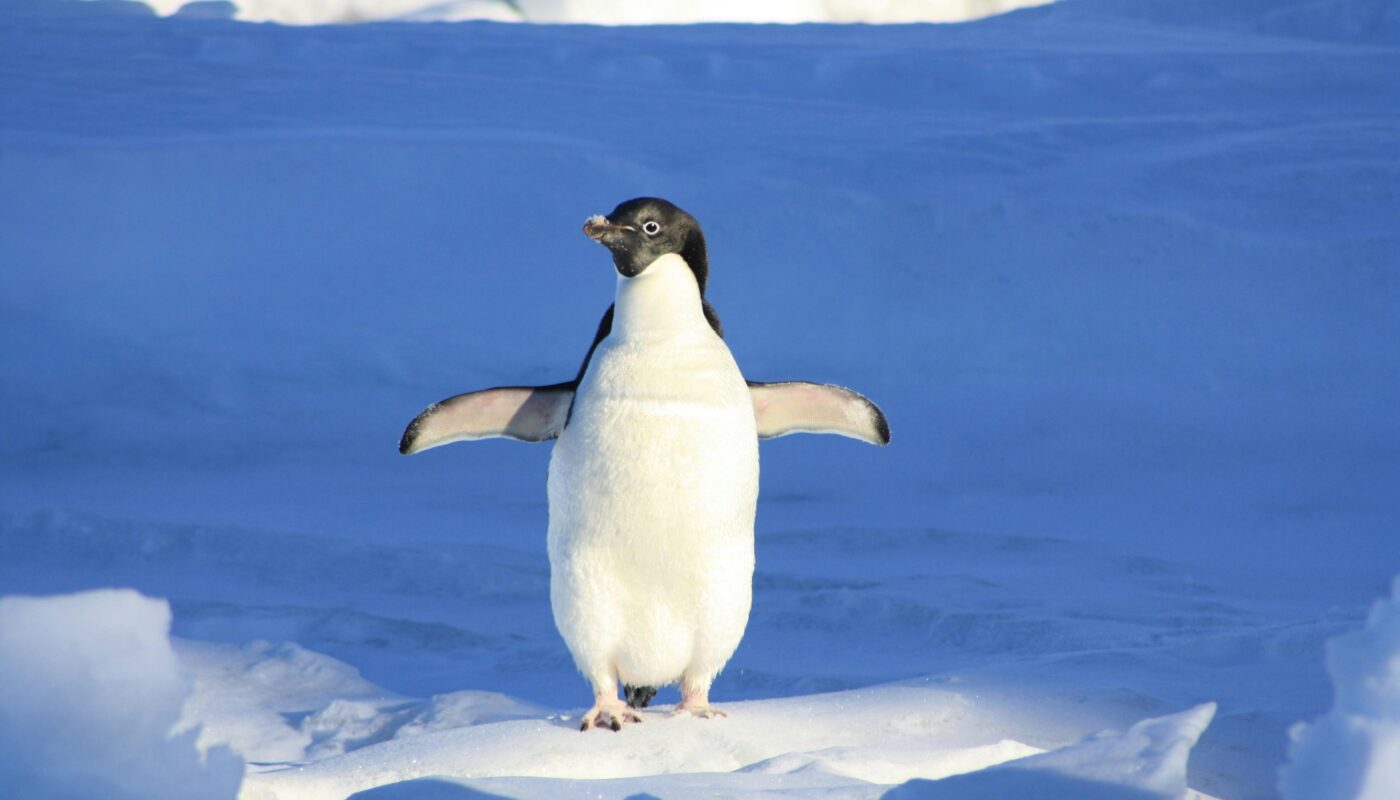
In Antarctica, emperor penguins depend on stable sea ice for breeding.
Key Challenges:
- Early ice breakup can destroy nesting sites
- Chicks may fall into the water before they are ready to swim
- Reduced breeding success
Without reliable ice platforms, entire colonies can be at risk.
Disrupted Food Chains
Glacier melt does not just affect large animals—it has cascading effects throughout the entire food web.
Phytoplankton and Algae
Underneath sea ice, microscopic algae grow and form the base of the food chain. These organisms depend on stable ice conditions.
When glaciers and sea ice melt:
- Light penetration changes
- Nutrient distribution shifts
- Timing of algal blooms is altered
This disrupts the availability of food for small marine organisms.
Krill
Krill are a critical link in polar ecosystems, feeding on algae and serving as prey for many larger species.
Effects of Glacier Melt:
- Declining krill populations due to reduced food supply
- Changes in distribution patterns
A decrease in krill impacts whales, seals, and penguins, creating a ripple effect across the ecosystem.
Changes in Predator–Prey Relationships
As habitats shift, so do the interactions between species.
Arctic Example:
With less ice, polar bears may come into closer contact with human settlements or compete with other predators.
Antarctic Example:
Penguins may need to travel farther to find food, increasing the risk of predation and reducing breeding success.
These changes can destabilize ecosystems that have remained relatively balanced for thousands of years.
Increased Competition and New Species
As temperatures rise, new species may move into polar regions.
Potential Impacts:
- Increased competition for food
- Introduction of diseases
- Disruption of existing ecological relationships
Species that were once isolated may now face unfamiliar threats.
Ocean Changes and Their Impact on Wildlife
Melting glaciers release freshwater into the ocean, altering its composition.
Key Effects:
- Changes in salinity levels
- Disruption of ocean currents
- Impact on nutrient circulation
These changes can affect marine life at all levels, from microscopic organisms to large mammals.
Effects on Marine Mammals
Walrus
Walruses rely on sea ice as resting platforms between feeding sessions.
Challenges:
- Longer distances between ice floes
- Increased energy use
- Higher mortality rates, especially among young
Leopard Seal
Leopard seals depend on ice for hunting and resting.
Impact:
- Changes in prey availability
- Altered hunting patterns
Coastal and Nesting Habitat Loss
Melting glaciers contribute to rising sea levels, which can flood coastal areas.
Consequences:
- Loss of nesting grounds
- Increased erosion
- Habitat fragmentation
For species that rely on specific breeding sites, even small changes can have significant impacts.
Behavioral Changes in Wildlife
Animals are adapting in various ways to cope with changing conditions.
Observed Changes:
- Altered migration patterns
- Changes in feeding behavior
- Shifts in breeding timing
While some species show resilience, others struggle to adapt quickly enough.
The Role of Ice in Temperature Regulation
Ice reflects sunlight, helping to keep polar regions cool. As glaciers melt, darker surfaces such as water and land absorb more heat.
This creates a feedback loop:
- More melting leads to more heat absorption
- Increased temperatures accelerate further melting
This process intensifies the challenges faced by wildlife.
Human Impacts and Conservation Efforts
Human activity plays a significant role in both the problem and its potential solutions.
Contributing Factors:
- Greenhouse gas emissions
- Industrial activity
- Pollution
Conservation Efforts:
- Protected areas
- Wildlife monitoring
- Climate agreements
Efforts to reduce emissions and protect habitats are crucial for the survival of polar species.
Can Wildlife Adapt?
Some species may adapt to changing conditions, but adaptation has limits.
Factors Influencing Adaptation:
- Reproductive rates
- Availability of alternative habitats
- Ability to change diet or behavior
Species with specialized needs are particularly vulnerable.
Why This Matters Globally
The effects of melting glaciers are not confined to the polar regions.
Global Impacts:
- Rising sea levels affecting coastal communities
- Changes in global weather patterns
- Loss of biodiversity
Polar ecosystems play a critical role in regulating the Earth’s climate, making their preservation essential.
Final Thoughts
The melting of glaciers in the Arctic and Antarctic is one of the most visible signs of climate change. For wildlife, the consequences are immediate and far-reaching.
From the struggles of the Polar Bear to the challenges faced by the Emperor Penguin, the story of melting glaciers is ultimately a story of survival.
These changes remind us of the delicate balance that sustains life in extreme environments. Protecting these ecosystems requires global awareness, responsible action, and a commitment to preserving the natural world for future generations.