 by
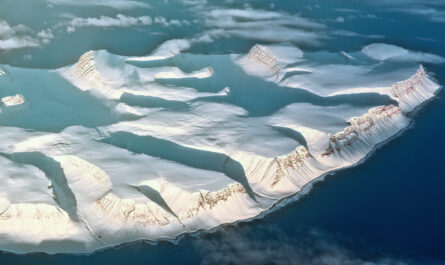
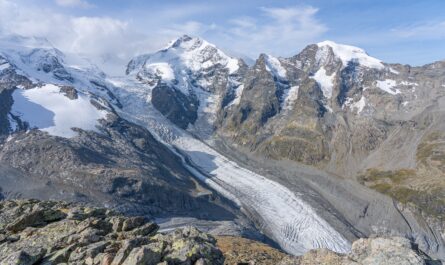
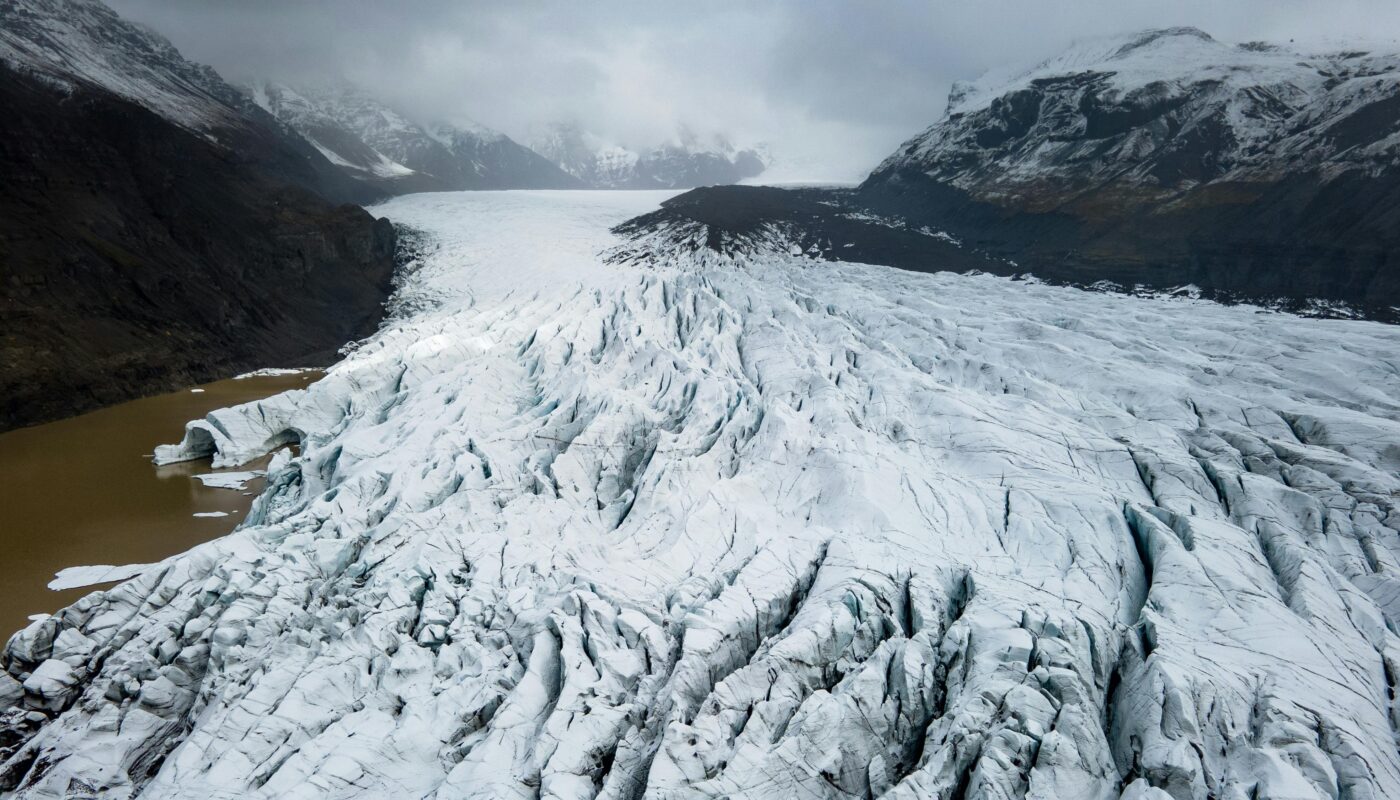
by Glaciers are among the most powerful and visually striking features of Earth’s cryosphere. These slow-moving rivers of ice shape landscapes, regulate freshwater systems, and serve as long-term climate indicators. Yet in recent decades, many glaciers have been shrinking rapidly, and some have disappeared entirely. This raises a critical question: can glaciers come back after they are gone?
The answer is complex. In most cases, once a glacier disappears completely, it does not “come back” in any human timescale. However, under certain long-term climatic conditions, ice bodies can reform—but not necessarily in the same way, location, or form as before. Understanding this requires looking at how glaciers form, why they vanish, and what conditions are required for ice to reappear.
What Exactly Is a Glacier?
A glacier is not just a large pile of ice. It is a dynamic, self-sustaining system of compacted snow that moves under its own weight.
Glaciers form when:
- Snow accumulates faster than it melts over many years
- Layers of snow compress into firn (dense, grainy ice)
- Firn eventually becomes solid glacial ice
- Gravity causes the ice mass to flow slowly downhill
This process takes decades to centuries, depending on climate and geography.
Glaciers exist in many regions, including Greenland, Antarctica, and high mountain ranges such as the Himalayas, the Alps, and the Andes.
Why Are Glaciers Disappearing?
The primary driver of modern glacier loss is climate change, particularly rising global temperatures.
Key factors include:
- Higher average air temperatures
- Reduced snowfall in many regions
- Longer melting seasons
- Increased rainfall instead of snow in winter
- Darkening of ice surfaces due to dust or soot, which accelerates melting
When a glacier loses more ice in summer than it gains in winter, it begins to retreat. If this imbalance continues long enough, the glacier becomes thinner, fragments, and eventually disappears entirely.
Many small mountain glaciers are especially vulnerable because they exist near the threshold of survival.
What Happens When a Glacier Disappears?
When a glacier fully melts, several important changes occur in the landscape:
1. Loss of Ice Mass
The defining feature of the glacier—its persistent ice—is gone. What remains may be bare rock, soil, or seasonal snow.
2. Changes in Water Systems
Glaciers act as natural reservoirs. Their disappearance alters river flow patterns, often reducing water availability during dry seasons.
3. Landscape Transformation
Glaciers carve valleys and shape mountains. Once gone, the erosive process stops, leaving behind features like moraines, basins, and U-shaped valleys.
4. Ecological Shifts
Species that depend on cold meltwater or glacier-fed ecosystems must adapt or relocate.
At this stage, the glacier is considered “dead” in scientific terms.
Can a Glacier Reform Naturally?
In theory, yes—but only under very specific long-term conditions.
For a glacier to reform, the following must occur:
- A prolonged period of colder climate (often centuries or longer)
- Consistent and heavy snowfall
- Reduced summer melting
- Sufficient time for snow to accumulate and compress into ice
If these conditions persist, snowfields may gradually rebuild into new glacier systems.
However, this process does not restore the original glacier. Instead, it creates a new glacier in the same region, built from new layers of snow accumulation.
Why “Coming Back” Is Not Simple
Once a glacier disappears, the system that supported it changes dramatically. The surface beneath it—rock, soil, vegetation—absorbs more heat than ice once did. This makes it harder for snow to persist long enough to rebuild ice.
Other challenges include:
- Reduced elevation stability in some regions
- Warmer baseline temperatures than in the past
- Changes in atmospheric circulation patterns
- Loss of reflective ice surfaces that once helped cool the area
Even if global temperatures were to drop, glaciers would not instantly reform. The process is extremely slow and dependent on consistent conditions over long periods.
Historical Perspective: Ice Ages and Glacier Cycles
Earth has experienced multiple ice ages, during which glaciers expanded dramatically across continents. During colder periods, ice sheets covered large parts of North America and Europe.
In warmer interglacial periods, glaciers retreated significantly.
This shows that glaciers are not permanent features—they respond to climate cycles. However, these cycles operate over thousands to tens of thousands of years.
For example:
- During the last Ice Age, glaciers were far more extensive
- As the planet warmed, many retreated to high altitudes and polar regions
- Today’s glaciers are remnants of that colder era
This historical context confirms that glaciers can re-form, but only under major climatic shifts.
The Difference Between Seasonal Ice and Glaciers
It is important to distinguish between temporary ice and true glaciers.
Seasonal Snow or Ice:
- Forms in winter
- Melts in summer
- Does not persist year-round
Glaciers:
- Persist for many years or centuries
- Move under their own weight
- Contain layered, compacted ice
Even if a region experiences heavy snowfall after a glacier disappears, that alone does not mean a glacier has returned. Persistence and movement are key.
Can Artificial Methods Bring Glaciers Back?
Scientists and engineers have explored limited methods to slow glacier loss or preserve remaining ice, such as:
- Covering ice with reflective materials
- Redirecting meltwater
- Artificial snowmaking in ski areas
However, these approaches do not recreate glaciers in a natural sense. They may temporarily preserve ice but cannot rebuild large, dynamic glacial systems.
Restoring a fully functioning glacier artificially is not currently feasible.
Regional Vulnerability: Not All Glaciers Are Equal
Some glaciers are more likely to survive or potentially reform than others.
High-Altitude Regions:
Glaciers in places like the Himalayas or Andes may persist longer due to elevation.
Polar Ice Sheets:
Massive ice bodies in Antarctica and Greenland are more resilient due to colder climates.
Small Mountain Glaciers:
These are most at risk of complete disappearance and least likely to naturally reform in the near future.
What Would It Take for Glaciers to Return Globally?
For widespread glacier regrowth, Earth would need a significant and sustained cooling trend.
This could involve:
- Major changes in greenhouse gas concentrations
- Long-term shifts in Earth’s orbital patterns (as seen in past ice ages)
- Centuries or millennia of colder global temperatures
Even in optimistic climate scenarios, such conditions are far beyond current projections.
The Role of Time: Why “Coming Back” Is Misleading
One of the most important aspects of glacier science is time scale.
Human lifespans are extremely short compared to glacial cycles. What we consider “disappearance” or “return” may take:
- Hundreds of years for small glaciers to form
- Thousands of years for large glacier systems
- Tens of thousands of years for ice sheet expansion
So while glaciers can theoretically return, they do not do so in a timeframe meaningful to human society.
Environmental Implications of Glacier Loss
The disappearance of glaciers is not just a visual or geographic change—it has real-world consequences.
Water Supply
Many regions rely on glacier melt for freshwater during dry seasons.
Sea Level Rise
Melting land-based ice contributes to rising sea levels globally.
Climate Feedback Loops
Less ice means less sunlight reflected back into space, accelerating warming.
Biodiversity Loss
Cold-dependent ecosystems are disrupted or destroyed.
These effects persist even if glaciers were to eventually reform in the distant future.
Can We Expect New Glaciers in the Future?
It is possible that future climate cycles—over thousands of years—could allow new glaciers to form in regions where they have disappeared today.
However:
- They would not be the same glaciers
- They would form under entirely different environmental conditions
- Human influence may significantly alter whether conditions ever become favorable again
In other words, glaciers may return in a geological sense, but not in a human or historical sense.
Final Answer: Can Glaciers Come Back?
Yes—but only under very long-term and specific climatic conditions. And even then, they do not return in the same form or timeframe.
If a glacier disappears today:
- It will not regenerate in decades or centuries
- It may only reform over millennia under a colder climate
- In many cases, it is effectively gone for human history
The more important takeaway is that glaciers are sensitive indicators of Earth’s climate system. Their disappearance is not just a local change—it reflects broader global warming trends.
Conclusion
Glaciers are dynamic, ancient systems that respond slowly but powerfully to climate conditions. While Earth’s history shows that ice can expand and retreat over long cycles, the glaciers we see disappearing today are unlikely to return within any meaningful human timeframe.
Their loss is permanent in our era, even if nature’s long geological cycles may one day rebuild new ones. Understanding this helps highlight the importance of preserving the climate balance that allows glaciers to exist in the first place.