 by
by On the rugged western edge of New Zealand’s South Island lies one of the country’s most remarkable natural wonders—the Franz Josef Glacier. Known for its accessibility, dramatic setting, and ever-changing form, this glacier attracts travelers from around the world who want to experience ice landscapes without venturing deep into remote polar regions.
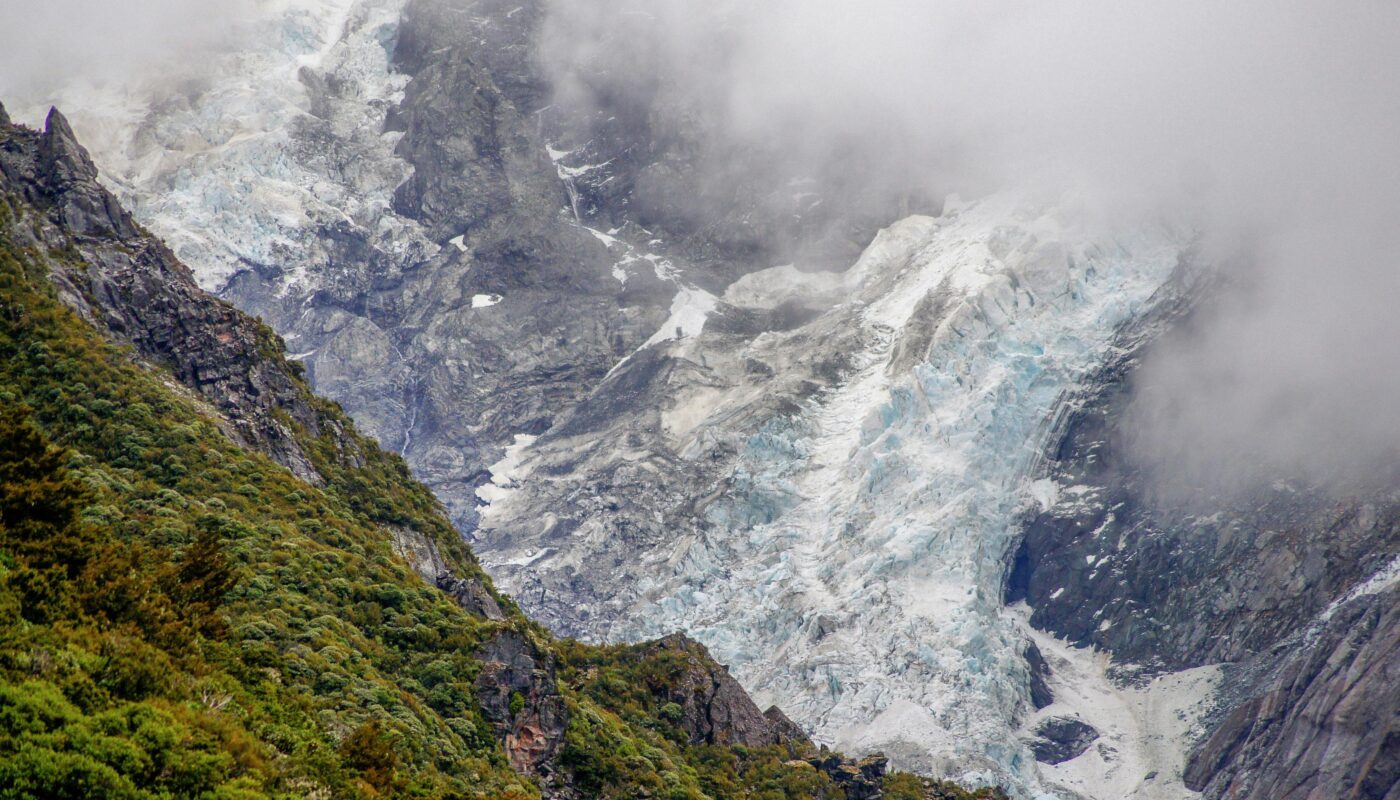
What makes this glacier stand out is not just its popularity, but the rare environment it inhabits. Here, ancient ice flows down from the peaks of the Southern Alps into lush, green rainforest—a striking contrast that feels almost otherworldly. This unusual meeting of climates creates a destination that is both visually captivating and scientifically fascinating.
A Landscape of Contrasts
Most glaciers exist in cold, barren regions where vegetation is sparse. In contrast, Franz Josef Glacier occupies a setting that blends icy terrain with dense temperate rainforest.
This unique combination is shaped by geography:
- Moist air from the nearby Tasman Sea brings heavy rainfall
- High peaks trap this moisture, creating significant snowfall at higher elevations
- The glacier forms and flows downward into warmer, greener areas
The result is a landscape where you can see ice, rock, and rainforest within a relatively short distance—something rarely found elsewhere in the world.
Why It Draws So Many Visitors
Franz Josef Glacier is widely regarded as the most visited glacier in New Zealand, and several factors contribute to this reputation.
Easy Access
Unlike many glaciers that require long hikes or specialized expeditions, this one can be reached relatively easily. A short drive from the nearby village brings you to the starting point of walking tracks that lead into the glacier valley.
This accessibility makes it appealing to a wide range of travelers—from casual sightseers to dedicated adventurers.
A Range of Experiences
Another reason for its popularity is the variety of ways it can be explored.
Visitors can choose from:
- Simple valley walks
- Scenic helicopter flights
- Guided ice hikes
- Adventure activities like ice climbing
This flexibility allows people with different interests and fitness levels to engage with the glacier in their own way.
A Dynamic Natural Feature
Unlike static landmarks, glaciers are constantly moving. Franz Josef Glacier is known for its relatively rapid flow, which creates dramatic features such as:
- Deep crevasses
- Ice pinnacles
- Changing formations
This sense of movement adds to its appeal, as no two visits are exactly the same.
Cultural and Historical Significance
Long before it became a tourist attraction, the glacier held meaning for the indigenous Māori people.
They called it Kā Roimata o Hine Hukatere, often translated as “The Tears of Hine Hukatere.” According to legend, the glacier formed from the tears of a woman mourning her lost love. This story reflects a deep connection between people and landscape, where natural features are intertwined with emotion and memory.
Later, European explorer Julius von Haast named the glacier after Emperor Franz Joseph I of Austria. Over time, the European name became widely used, though the Māori name remains an important part of its identity.
The Changing Face of the Glacier
Franz Josef Glacier is not a fixed entity—it evolves over time. Its movement is driven by the accumulation of snow in the upper regions and the gradual flow of ice downhill.
However, like many glaciers around the world, it has experienced noticeable changes in recent decades.
Retreat and Transformation
Warmer global temperatures have contributed to the glacier’s retreat. This means:
- The ice terminus has moved further up the valley
- Direct access to the glacier has become more limited
- Safety concerns have increased due to unstable terrain
In the past, visitors could walk directly onto the glacier. Today, access is more controlled, and many close-up experiences require guided tours or helicopter access.
Ways to Experience the Glacier
Despite these changes, there are still many ways to explore and appreciate Franz Josef Glacier.
Valley Walks
One of the simplest and most rewarding experiences is walking through the glacier valley. The track takes you across a landscape shaped by ice, with rocky terrain and steep valley walls.
Along the way, you’ll notice:
- Evidence of past glacier positions
- Streams formed by melting ice
- Expansive views of the surrounding mountains
The walk leads to a viewing point where you can safely observe the glacier from a distance.
Helicopter Landings and Heli-Hiking
For those seeking a closer encounter, helicopter tours provide access to the glacier’s upper regions.
These experiences often include:
- A scenic flight over the glacier and surrounding peaks
- A landing on the ice
- A guided walk across the glacier surface
Heli-hiking allows you to explore features that are otherwise inaccessible, such as ice caves and crevasses.
Ice Climbing Adventures
Adventure enthusiasts can take their experience further with guided ice climbing.
This activity involves:
- Using crampons and ice axes
- Climbing vertical sections of ice
- Navigating complex formations
It requires physical effort but offers a unique perspective on the glacier’s structure.
Scenic Flights
Even if you prefer to stay off the ice, aerial tours provide a breathtaking view of the glacier and its surroundings.
From above, you can see:
- The full extent of the glacier
- The transition from alpine peaks to rainforest
- The broader geography of the region
The Surrounding Region
Franz Josef Glacier is part of Westland Tai Poutini National Park, a protected area known for its diverse landscapes.
This region includes:
- Dense forests
- Rivers and waterfalls
- Nearby lakes such as Lake Mapourika
Visitors often combine glacier experiences with other activities, such as kayaking, hiking, or exploring nearby scenic areas.
The Role of the Glacier Village
The nearby settlement, commonly known as Franz Josef Village, serves as the main hub for visitors.
Despite its small size, it offers:
- Accommodation for different budgets
- Dining options featuring local cuisine
- Tour operators providing guided experiences
The village plays an essential role in supporting tourism while maintaining a connection to the surrounding natural environment.
A Scientific Perspective
Franz Josef Glacier is classified as a temperate glacier, meaning it exists in a relatively mild climate compared to polar glaciers.
Key characteristics include:
- High levels of precipitation
- Rapid ice movement
- Interaction with warmer temperatures
These factors contribute to its dynamic behavior and distinctive appearance.
Environmental Awareness
The glacier’s changes highlight broader environmental issues.
As it retreats, it serves as a visible reminder of:
- Climate change
- The fragility of natural systems
- The importance of conservation
Visitors are encouraged to approach the glacier with respect and awareness, recognizing that it is both a natural wonder and a sensitive environment.
Tips for Visitors
To make the most of your visit:
- Check weather conditions before planning activities
- Book tours in advance, especially during peak seasons
- Wear appropriate clothing for changing conditions
- Follow safety guidelines and marked paths
Being prepared ensures a more enjoyable and responsible experience.
Why It Remains Unforgettable
What makes Franz Josef Glacier so memorable is not just its appearance, but the experience it offers.
It is a place where:
- Ice meets rainforest
- Ancient natural processes are visible in real time
- Visitors can engage with a powerful landscape in multiple ways
Whether you see it from a distance or step onto its surface, the glacier leaves a lasting impression.
Final Thoughts
The Franz Josef Glacier stands as one of New Zealand’s most compelling natural attractions. Its accessibility, diversity of experiences, and dramatic setting make it a destination that appeals to a wide range of travelers.
At the same time, it is a reminder of the dynamic nature of our planet. Glaciers are not permanent—they evolve, shift, and respond to changing conditions.
Visiting Franz Josef Glacier is not just about seeing a landscape; it is about witnessing a process—one that has been unfolding for thousands of years and continues to shape the world today.