 by
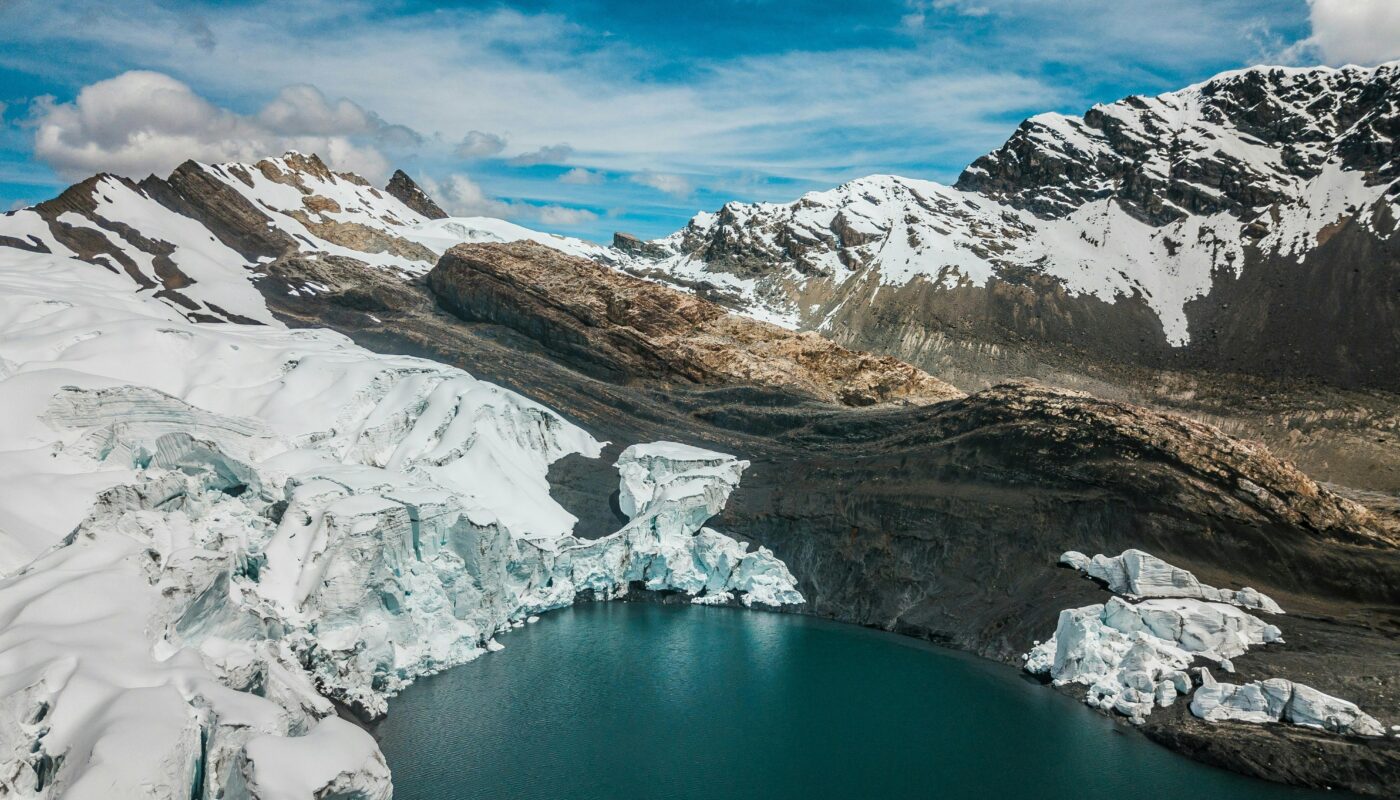
by Glaciers are often described as the world’s “frozen reservoirs.” They store vast amounts of freshwater and release it gradually, feeding rivers, sustaining ecosystems, and supporting millions of people. But as global temperatures rise, glaciers are shrinking at an accelerating pace, threatening water security in many regions.
In response, one potential solution frequently discussed is Desalination—the conversion of seawater into freshwater. The idea seems promising: oceans contain abundant water, so why not use technology to compensate for the loss of glacier-fed supplies?
The reality, however, is far more complex. While desalination can play a role in addressing water shortages, it is not a simple or complete replacement for glacier water. To understand why, we need to explore how glaciers function, how desalination works, and where the two intersect—and diverge.
The Role of Glacier Water in Global Systems
Glaciers are not just frozen ice masses; they are dynamic systems that regulate water flow over time.
Natural Water Storage
Glaciers accumulate snow in colder months and release meltwater during warmer seasons. This steady release:
- Maintains river flow during dry periods
- Supports agriculture and drinking water supplies
- Sustains ecosystems
Geographic Importance
Regions heavily dependent on glacier melt include:
- The Andes in Chile and Peru
- The Himalayas affecting countries like India and China
- Parts of North America and Europe
Millions of people rely on glacier-fed rivers for daily life.
Seasonal Reliability
One of the most important features of glaciers is their timing. They release water when rainfall is low, acting as a natural buffer against drought.
What Is Desalination and How Does It Work?
Desalination involves removing salt and impurities from seawater to make it suitable for human use.
Main Methods
The most widely used technique is Reverse osmosis, where:
- Seawater is pushed through a semi-permeable membrane
- Salt and impurities are filtered out
- Freshwater is collected on the other side
Advantages of Desalination
- Provides a virtually unlimited water source
- Independent of rainfall or seasonal changes
- Already used in water-scarce regions
Countries such as Saudi Arabia and United Arab Emirates rely heavily on desalination.
Why Desalination Seems Like a Logical Replacement
At first glance, desalination appears to solve the problem of declining glacier water:
- Oceans contain vast amounts of water
- Technology already exists
- It can be scaled up
However, this apparent solution overlooks several critical differences between glacier systems and desalination infrastructure.
Key Challenges: Why Desalination Cannot Fully Replace Glacier Water
1. Energy Demands
Desalination is highly energy-intensive. Producing freshwater from seawater requires:
- High-pressure systems
- Continuous electricity supply
In many cases, this energy comes from fossil fuels, contributing to Climate change—the very issue causing glaciers to melt.
2. Geographic Limitations
Glacier-fed communities are often located far from coastlines.
For example:
- Mountain regions in Nepal
- Inland areas of Bolivia
Transporting desalinated water from coastal plants to these regions would require extensive infrastructure, including pipelines and pumping systems.
3. Cost Barriers
Desalination plants are expensive to:
- Build
- Operate
- Maintain
While wealthy nations can afford large-scale desalination, many glacier-dependent regions cannot.
4. Environmental Impact
Desalination is not without ecological consequences.
Brine Disposal
The process produces highly concentrated saltwater (brine), which is often discharged back into the ocean. This can:
- Harm marine ecosystems
- Alter local water chemistry
Energy Footprint
If powered by non-renewable energy, desalination contributes to greenhouse gas emissions.
5. Lack of Seasonal Regulation
Glaciers naturally regulate water flow, releasing it gradually during dry seasons.
Desalination, on the other hand:
- Produces water continuously
- Does not respond to seasonal needs
This makes it less effective as a replacement for the timing function glaciers provide.
Where Desalination Can Help
Despite its limitations, desalination can play a valuable role in certain contexts.
Coastal Cities
Urban areas near coastlines can benefit significantly. For example:
- Cities in arid coastal regions
- Areas facing declining freshwater sources
Emergency Water Supply
Desalination can provide backup during:
- Droughts
- Water shortages
- Natural disasters
Supplementing Existing Systems
Rather than replacing glacier water, desalination can complement other sources, reducing pressure on natural systems.
Alternative and Complementary Solutions
To address glacier loss effectively, a combination of strategies is needed.
1. Water Conservation
Improving efficiency in:
- Agriculture
- Industry
- Domestic use
can significantly reduce demand.
2. Rainwater Harvesting
Capturing and storing rainfall provides a low-cost, sustainable solution in many regions.
3. Recycling Wastewater
Advanced treatment systems can turn wastewater into usable freshwater, reducing reliance on natural sources.
4. Improved Water Management
Better infrastructure and planning can:
- Reduce leakage
- Optimize distribution
- Ensure equitable access
The Role of Renewable Energy in Desalination
One way to make desalination more viable is to power it with renewable energy.
Solar-Powered Desalination
Solar energy can reduce the carbon footprint of desalination plants, especially in sunny regions.
Wind and Hydropower Integration
Using renewable sources can:
- Lower operating costs over time
- Reduce environmental impact
Limitations
Even with renewable energy, challenges such as cost and infrastructure remain.
Case Studies: Real-World Applications
Middle Eastern Countries
Countries like Saudi Arabia have successfully implemented large-scale desalination. However:
- These systems rely heavily on energy resources
- They are supported by strong financial capacity
Small Island Nations
Island communities often use desalination due to limited freshwater sources. In these cases:
- Proximity to the ocean makes it practical
- Smaller populations reduce demand
Glacier-Dependent Regions
In contrast, regions reliant on glaciers face:
- Geographic isolation
- Limited financial resources
- Infrastructure challenges
This highlights why desalination is not a universal solution.
Future Innovations in Water Technology
Research is ongoing to improve desalination efficiency.
Emerging Developments
- More efficient membranes
- Lower-energy filtration systems
- Hybrid water treatment technologies
These innovations could make desalination more accessible in the future.
Can Desalination Replace Glacier Water? A Balanced Answer
The short answer: not entirely.
Desalination can:
- Provide additional water
- Support urban and coastal regions
- Serve as a backup system
But it cannot fully replace glaciers because:
- It lacks natural seasonal regulation
- It is energy-intensive
- It is not accessible to all regions
A Broader Perspective on Water Security
The loss of glaciers is not just a water issue—it is part of a larger environmental challenge.
Addressing it requires:
- Reducing greenhouse gas emissions
- Protecting ecosystems
- Developing sustainable water systems
Final Thoughts
Desalination represents an important technological advancement, offering a way to tap into the vast resources of the world’s oceans. However, it is not a direct substitute for the natural functions of glaciers.
Glaciers provide more than water—they regulate ecosystems, support livelihoods, and maintain environmental balance. Replacing them with a single technological solution is neither practical nor sufficient.
Instead, the future of water security lies in a combination of approaches:
- Sustainable technology
- Efficient resource management
- Environmental conservation
Desalination will likely play a role in that future—but as part of a broader strategy, not as a standalone solution.