 by
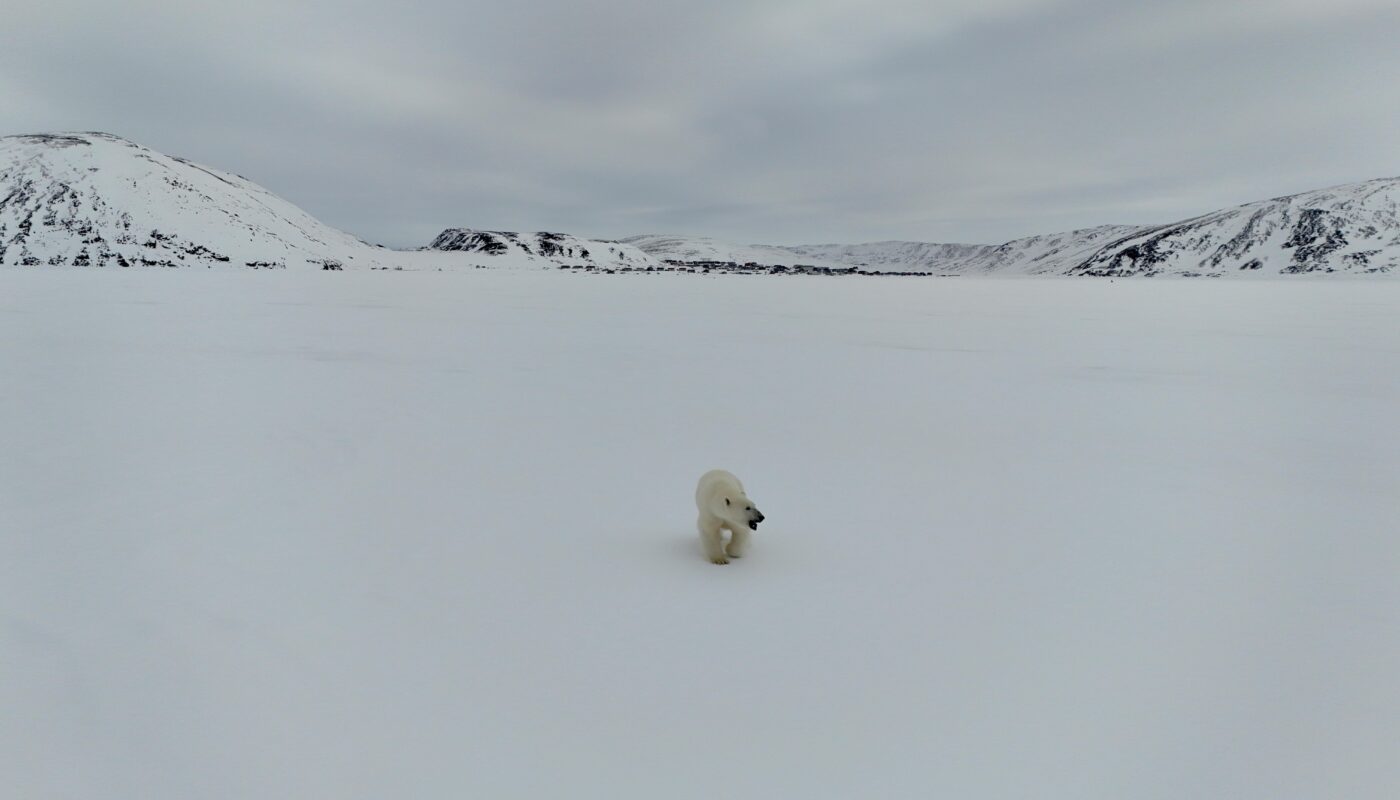
by Few animals symbolize the Arctic as powerfully as the Polar bear. With its thick white fur, immense strength, and remarkable ability to survive in one of the harshest environments on Earth, the polar bear has long been seen as a symbol of resilience. Yet today, it has also become a symbol of vulnerability.
As the Arctic warms at an unprecedented rate, the frozen landscapes that polar bears depend on are shrinking. Sea ice—once a stable platform for hunting, resting, and traveling—is disappearing earlier in the year and forming later in the season. This transformation is not just altering the Arctic; it is reshaping the very survival strategies of one of its most iconic inhabitants.
Understanding the connection between polar bears and ice landscapes reveals a broader story about environmental change, adaptation, and the limits of resilience.
The Arctic: A World Built on Ice
The Arctic is not just cold—it is defined by ice in its many forms.
Sea Ice vs. Land Ice
Polar bears rely primarily on sea ice, which forms when ocean water freezes. This floating ice is different from glaciers or ice sheets on land. It:
- Expands during winter
- Shrinks during summer
- Moves with ocean currents
This seasonal rhythm has shaped Arctic ecosystems for thousands of years.
Why Ice Matters
For polar bears, sea ice is more than just habitat—it is a hunting platform. From this frozen surface, they hunt seals, their primary food source.
Without ice:
- Hunting becomes extremely difficult
- Energy expenditure increases
- Survival becomes uncertain
Sea Ice’s Function in Polar Bear Survival
Polar bears are highly specialized predators, adapted specifically to life on ice.
Hunting Strategy
Their primary prey includes ringed and bearded seals. Polar bears:
- Wait near breathing holes in the ice
- Ambush seals as they surface
- Travel long distances across ice to find food
Seasonal Feeding Cycle
Polar bears depend on a seasonal pattern:
- Spring and early summer: peak hunting period
- Late summer and autumn: reduced access to prey
They build up fat reserves during productive months to survive periods when food is scarce.
The Impact of Climate change on Arctic Ice
The Arctic is warming faster than most other parts of the planet—a phenomenon often referred to as Arctic amplification.
Declining Ice Coverage
Over recent decades:
- Sea ice has been shrinking in extent
- Ice is thinner and less stable
- Summer ice-free periods are increasing
Earlier Melting, Later Freezing
The timing of ice formation and melting is shifting:
- Ice melts earlier in spring
- Ice forms later in autumn
This shortens the hunting season for polar bears.
How Ice Loss Affects Polar Bears
Reduced Hunting Opportunities
With less time on sea ice:
- Bears have fewer chances to catch seals
- Fat reserves may not be sufficient for survival
Increased Energy Use
As ice retreats, polar bears must:
- Swim longer distances
- Travel further to find suitable hunting areas
This increases energy expenditure, which can lead to weight loss.
Longer Fasting Periods
When ice disappears, bears are often forced onto land, where food sources are limited.
During these periods:
- They rely on stored fat
- They may go months without eating
Declining Body Condition
Studies have shown that in some regions:
- Polar bears are becoming thinner
- Reproductive rates are decreasing
- Cubs have lower survival rates
Changes in Behavior and Adaptation
Polar bears are not passive victims—they are adapting in various ways.
Shifts in Diet
Some bears have been observed:
- Scavenging carcasses
- Eating bird eggs
- Feeding on vegetation
However, these alternative food sources do not provide the high energy content of seals.
Increased Land Use
As ice retreats, polar bears spend more time on land. This can lead to:
- Greater competition for limited food
- Increased encounters with humans
Swimming Longer Distances
Polar bears are strong swimmers, but extended swims can be risky, especially for cubs.
Regional Differences in Impact
Not all polar bear populations are affected equally.
More Stable Regions
In some areas where ice remains relatively stable:
- Polar bear populations are more resilient
Rapidly Changing Regions
In regions with significant ice loss:
- Population declines are more evident
This variation highlights the complexity of the issue.
The Broader Ecosystem Effects
Polar bears are apex predators, meaning their presence influences the entire Arctic ecosystem.
Impact on Seal Populations
Changes in polar bear hunting patterns can affect:
- Seal behavior
- Seal population dynamics
Ripple Effects
As ice landscapes change:
- Marine ecosystems are altered
- Food webs are disrupted
Human Dimensions
The changing Arctic also affects human communities.
Indigenous Communities
Many Indigenous peoples rely on Arctic ecosystems for:
- Food
- Cultural practices
- Livelihoods
Changes in ice conditions impact their way of life.
Increased Human–Wildlife Interaction
As polar bears spend more time on land:
- Encounters with humans become more frequent
- Safety concerns increase for both people and bears
Conservation Efforts
Efforts to protect polar bears focus on both immediate and long-term strategies.
Protecting Habitat
Conservation initiatives aim to:
- Preserve critical habitats
- Reduce human disturbance
Monitoring Populations
Scientists track polar bear populations to:
- Understand trends
- Inform conservation strategies
Addressing Climate Change
Ultimately, the survival of polar bears depends on addressing the root cause:
- Reducing greenhouse gas emissions
- Slowing global warming
The Limits of Adaptation
While polar bears are adaptable, there are limits to what they can endure.
Biological Constraints
Their bodies are highly specialized for:
- Cold environments
- Hunting on ice
Rapid environmental change challenges these adaptations.
Time Scale of Change
The speed of current changes is faster than many species can adapt to naturally.
Why Polar Bears Matter
Polar bears are more than just a single species at risk.
Indicator Species
They serve as an indicator of Arctic health. Changes in their population reflect broader environmental shifts.
Global Significance
The loss of polar bear habitats is tied to global processes, reminding us that:
- Environmental changes are interconnected
- Actions in one part of the world affect others
A Future Without Ice?
Scientists project that if current trends continue:
- Arctic summers could become largely ice-free within decades
This would have profound implications for polar bears and the entire Arctic ecosystem.
What Can Be Done?
Addressing the challenges facing polar bears requires collective action.
Individual Actions
- Reducing energy consumption
- Supporting sustainable practices
Policy and Innovation
- Transitioning to renewable energy
- Implementing climate policies
Awareness and Education
Understanding the issue is the first step toward meaningful change.
Final Thoughts
The story of the Polar bear is deeply intertwined with the story of the Arctic itself. As ice landscapes disappear, the challenges facing these animals become more urgent and more complex.
Polar bears have survived in one of the harshest environments on Earth for thousands of years, relying on a delicate balance between ice, prey, and seasonal rhythms. Today, that balance is shifting in ways that test the limits of their resilience.
While adaptation is possible to some extent, the long-term survival of polar bears depends on preserving the ice landscapes they call home. Their future is not just about one species—it is a reflection of the choices humanity makes in response to a changing planet.
In protecting polar bears, we are also protecting the integrity of an entire ecosystem—and, ultimately, our shared environment.