 by
by Glaciers are among the most compelling natural subjects a filmmaker can capture. They move slowly yet reshape entire landscapes, preserve ancient climate records, and offer a striking visual contrast between stillness and motion. For documentary creators, glaciers provide a rare opportunity to tell stories that are both visually breathtaking and scientifically meaningful.
But not every glacier offers the same filming potential. Some provide dramatic ice collapses and towering formations, while others excel in accessibility or cultural context. Choosing the right location is a crucial step in building a powerful documentary.
This guide explores some of the world’s most remarkable glacier filming destinations—each offering unique visual qualities, storytelling opportunities, and practical considerations for filmmakers.
What Filmmakers Should Look for in a Glacier Location
Before selecting a destination, it’s important to understand what makes a glacier suitable for filming.
Visual Variety
A compelling glacier location should offer:
- Texture (cracks, ridges, crevasses)
- Movement (calving, flowing ice)
- Surrounding contrast (mountains, water, vegetation)
Visual diversity helps maintain audience engagement throughout a film.
Accessibility and Logistics
Remote glaciers may look spectacular but can be difficult and expensive to reach. A balance between accessibility and visual impact is often ideal, especially for smaller productions.
Storytelling Potential
Some glaciers are more suitable for storytelling because they:
- Show visible environmental change
- Have historical or scientific significance
- Are tied to human communities
Light and Weather Conditions
Filming depends heavily on:
- Natural light availability
- Weather stability
- Seasonal changes
Locations with long daylight hours or predictable conditions can be especially valuable.
1. Jakobshavn Glacier (Greenland)
This glacier is one of the most dynamic in the Arctic and has become a focal point for climate-focused storytelling.
Why It’s Ideal
Jakobshavn is known for its rapid movement and frequent ice break-offs. Massive chunks of ice detach from its front and drift into nearby waters, creating dramatic visuals.
Filming Strengths
- Large-scale calving events
- Stark Arctic landscapes
- Strong connection to global climate narratives
Challenges
- Remote location requiring careful planning
- Extreme cold and changing weather
- High production costs
2. Vatnajökull (Iceland)
Vatnajökull is one of the most versatile glacier locations in the world.
What Makes It Unique
This massive glacier sits atop volcanic terrain, creating a rare combination of ice and fire landscapes.
Filmmaking Advantages
- Ice caves with vivid blue interiors
- Glacial lagoons filled with floating ice
- Relatively easy access compared to polar regions
Why It Works
Filmmakers can capture multiple types of scenery within a short distance, making it efficient for diverse storytelling.
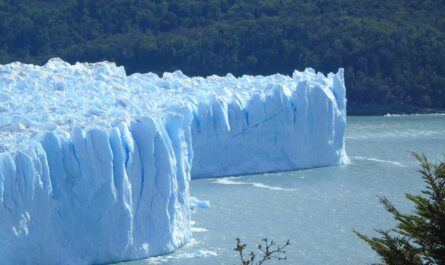
3. Perito Moreno Glacier (Patagonia)
Located in southern Argentina, this glacier offers a mix of accessibility and dramatic visuals.
Key Features
Unlike many glaciers, Perito Moreno continues to advance, leading to frequent ice collapses.
Filming Benefits
- Predictable calving activity
- Stable viewing platforms
- Easy access for equipment and crews
Story Angle
Its behavior provides a compelling contrast to retreating glaciers elsewhere, adding depth to environmental narratives.
4. Aletsch Glacier (Swiss Alps)
This glacier is the largest in the Alps and offers a distinctly European alpine setting.
Visual Appeal
- Long, flowing ice formations
- Surrounded by high peaks
- Accessible viewpoints for filming
Filmmaking Strengths
- Reliable infrastructure
- Safe filming conditions
- Opportunities for aerial footage
Narrative Value
The glacier’s gradual retreat over time makes it a strong subject for environmental storytelling.
5. Lambert Glacier (Antarctica)
For filmmakers seeking scale and isolation, Lambert Glacier is unmatched.
What Sets It Apart
It is the largest glacier on Earth, stretching across vast, untouched terrain.
Filming Opportunities
- Immense, uninterrupted ice fields
- Rarely seen environments
- Strong scientific significance
Limitations
- Extremely difficult access
- High logistical complexity
- Limited filming windows
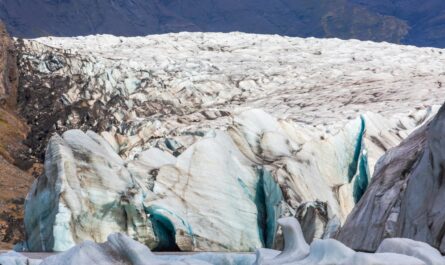
6. Svínafellsjökull (Iceland)
A smaller outlet glacier, but visually striking and highly cinematic.
Distinctive Features
- Jagged ice formations
- Deep crevasses
- Intense blue coloration
Best Uses
- Close-up cinematography
- Creative and artistic projects
- Sci-fi or experimental visuals
7. Tasman Glacier (New Zealand)
This glacier offers a unique combination of ice and water.
Unique Elements
- Large glacial lake with floating icebergs
- Mountain backdrop
- Changing seasonal conditions
Filmmaking Advantages
- Easier access compared to polar regions
- Opportunities for boat-based filming
- Visual contrast between ice and water
8. Jostedalsbreen (Norway)
The largest glacier in mainland Europe, located in a region known for dramatic fjords.
Visual Highlights
- Glacier tongues descending into valleys
- Nearby waterfalls and fjords
- Lush surroundings contrasting with ice
Why It’s Valuable
The combination of glaciers and fjords creates layered storytelling possibilities.
9. Franz Josef Glacier (New Zealand)
One of the few glaciers that descends into a temperate rainforest.
What Makes It Special
- Rare mix of ice and dense vegetation
- Rapid changes in glacier size
- Easy access for filming
Narrative Potential
The unusual environment makes it ideal for exploring contrasts in climate and ecosystems.
10. Columbia Glacier (USA)
A glacier known for dramatic retreat and iceberg production.
Filming Appeal
- Large calving events
- Access by boat
- Strong climate change narrative
Multi-Location Filming: A Broader Perspective
Some documentaries benefit from filming across multiple glacier regions.
Why This Approach Works
- Shows global patterns
- Compares different environments
- Adds depth to storytelling
Filmmakers can connect Arctic, alpine, and Antarctic landscapes into a unified narrative.
Practical Tips for Filming on Glaciers
Safety First
Glaciers are unpredictable environments. Crews should:
- Work with trained guides
- Avoid unstable areas
- Monitor weather conditions
Equipment Considerations
Cold temperatures can affect:
- Battery life
- Camera performance
- Drone stability
Always carry backups and protective gear.
Permits and Regulations
Many glacier locations require:
- Filming permits
- Environmental approvals
- Local coordination
Planning ahead is essential.
Choosing the Right Glacier for Your Story
For Environmental Documentaries
Best choices:
- Greenland glaciers
- Icelandic ice caps
- Alpine glaciers
For Visual Impact
Best choices:
- Antarctica
- Patagonia
- Iceland
For Budget-Friendly Projects
Best choices:
- Switzerland
- New Zealand
- Norway
Final Thoughts
Glaciers are among the most powerful storytelling environments on Earth. They combine beauty, movement, and meaning in a way few landscapes can match. For documentary filmmakers, they offer not just visual spectacle but also a narrative that resonates globally.
From the immense scale of Lambert Glacier to the accessible drama of Perito Moreno Glacier, each location provides unique opportunities to capture stories that matter.
Choosing the right glacier is about more than aesthetics—it’s about aligning the environment with your message. When done thoughtfully, glacier filmmaking can create powerful visual stories that inform, inspire, and leave a lasting impact.