 by
by Many people use the terms “glacier” and “iceberg” interchangeably, especially when discussing polar regions or frozen landscapes. At first glance, the confusion makes sense. Both are made of ice, both exist in extremely cold environments, and both are strongly connected to Earth’s climate systems.
However, glaciers and icebergs are not the same thing at all.
In reality, they differ in:
- Formation
- Movement
- Location
- Structure
- Environmental role
- Lifespan
Understanding the distinction helps explain how frozen landscapes work and why these massive ice formations are so important to the planet.
This guide explores the real differences between glaciers and icebergs, how they form, how they behave, and why both play crucial roles in Earth’s environment.
What Is a Glacier?
A glacier is a large, long-lasting mass of compacted ice that forms on land through the gradual accumulation of snow over many years.
Snow does not instantly become glacier ice. The process happens slowly:
- Snow falls repeatedly in cold regions
- Layers build on top of each other
- Pressure compresses the lower layers
- Snow transforms into dense ice over time
Eventually, the ice becomes so heavy that it begins moving under its own weight.
That slow movement is one of the defining characteristics of a glacier.
Unlike ordinary frozen water, glaciers behave almost like extremely slow-moving rivers.
Where Glaciers Form
Glaciers develop in places where:
- More snow falls than melts
- Temperatures remain cold for long periods
- Ice can accumulate year after year
Common glacier regions include:
- Polar areas
- High mountain ranges
- Arctic islands
- Antarctic environments
Famous glacier regions exist in:
- Iceland
- Canada
- Norway
- New Zealand
- Greenland
Some glaciers are relatively small, while others cover enormous areas.
Types of Glaciers
Not all glaciers look the same.
Valley Glaciers
These glaciers form in mountain valleys and slowly move downhill.
They often resemble frozen rivers flowing between peaks.
Ice Sheets
Ice sheets are massive continental-scale glaciers covering huge land areas.
The two largest ice sheets on Earth are located in:
- Antarctica
- Greenland
These ice sheets contain the majority of Earth’s freshwater ice.
Piedmont Glaciers
These form when valley glaciers spread into flatter plains at the base of mountains.
Tidewater Glaciers
These glaciers extend all the way to the ocean.
Importantly, tidewater glaciers are closely connected to iceberg formation.
What Is an Iceberg?
An iceberg is a large piece of freshwater ice that has broken away from a glacier or ice shelf and is floating in the ocean.
This process is called calving.
Unlike glaciers, icebergs are:
- Detached from land
- Floating freely in water
- Temporary compared to glaciers
In simple terms:
- A glacier forms and exists on land
- An iceberg forms when part of that glacier breaks off into the sea
This is the most important distinction.
How Icebergs Form
Icebergs usually originate from glaciers that reach coastlines or oceans.
Over time:
- Glaciers slowly move toward the sea
- Cracks develop near the glacier edge
- Large chunks eventually break away
- Those chunks float as icebergs
Some icebergs are small enough to resemble floating ice blocks.
Others are enormous.
Certain Antarctic icebergs can be larger than entire cities.
Why Most of an Iceberg Stays Underwater
One of the most famous facts about icebergs is that most of their mass remains hidden below the ocean surface.
Typically:
- Around 10% is visible above water
- About 90% remains submerged
This happens because ice is slightly less dense than seawater.
The underwater section acts like a massive hidden foundation supporting the visible portion above the surface.
This hidden structure is what made icebergs historically dangerous for ships.
The Main Differences Between Glaciers and Icebergs
Although connected, glaciers and icebergs differ in several important ways.
| Feature | Glacier | Iceberg |
|---|---|---|
| Location | On land | Floating in water |
| Formation | Accumulated compacted snow | Broken-off glacier ice |
| Movement | Slow movement across land | Drifts with currents and wind |
| Lifespan | Often thousands of years | Usually shorter-lived |
| Size Stability | Relatively stable structure | Constantly melting and changing |
| Connection to Land | Attached to land | Detached from land |
This distinction helps explain their different environmental impacts and behaviors.
Glaciers Move Very Slowly
A glacier may appear frozen and motionless, but it is constantly moving.
This movement happens because:
- Gravity pulls the ice downhill
- Ice deforms under pressure
- Meltwater beneath the glacier can reduce friction
Certain glaciers merely move a few centimeters every day.
Others move several meters daily.
Despite this movement, glaciers remain attached to land until parts break away.
Icebergs Drift Freely
Icebergs move differently.
Once floating in the ocean, they are influenced by:
- Ocean currents
- Wind
- Water temperature
Icebergs can travel long distances from their original glacier source.
Some drift for months or years before melting completely.
During that time, they gradually shrink as:
- Sunlight melts the surface
- Ocean water melts the underside
- Waves reshape the ice
This constant transformation makes icebergs highly unpredictable in shape and stability.
Glaciers Shape Landscapes
One of the most important functions of glaciers is erosion.
As glaciers move, they:
- Scrape rock surfaces
- Carve valleys
- Transport sediment
- Create lakes and fjords
Many famous landscapes around the world were shaped by glaciers thousands of years ago.
Examples include:
- Fjords in Norway
- U-shaped Alpine valleys
- Glacier-carved lakes in Canada
Icebergs, by contrast, do not significantly shape landscapes because they float rather than grind against land.
Environmental Importance of Glaciers
Glaciers are extremely important to Earth’s systems.
They:
- Store freshwater
- Feed rivers during dry seasons
- Reflect sunlight back into space
- Influence regional climate systems
Many communities rely on glacier-fed water supplies.
When glaciers shrink rapidly, water systems can become unstable.
Environmental Importance of Icebergs
Icebergs also affect the environment, though differently.
As icebergs melt, they:
- Release freshwater into oceans
- Influence local marine ecosystems
- Carry nutrients trapped in glacier ice
Some scientists believe iceberg melt can even help support ocean life by releasing minerals into surrounding waters.
However, icebergs are more temporary environmental features compared to glaciers.
Why Climate Change Affects Both
Climate warming impacts glaciers and icebergs in different ways.
Glacier Impacts
Rising temperatures can cause:
- Faster melting
- Glacier retreat
- Reduced snow accumulation
Many glaciers worldwide are shrinking significantly.
Iceberg Impacts
Warmer conditions can increase:
- Glacier calving rates
- Iceberg production
At the same time, warmer oceans also cause icebergs to melt faster.
This creates complex changes in polar and marine systems.
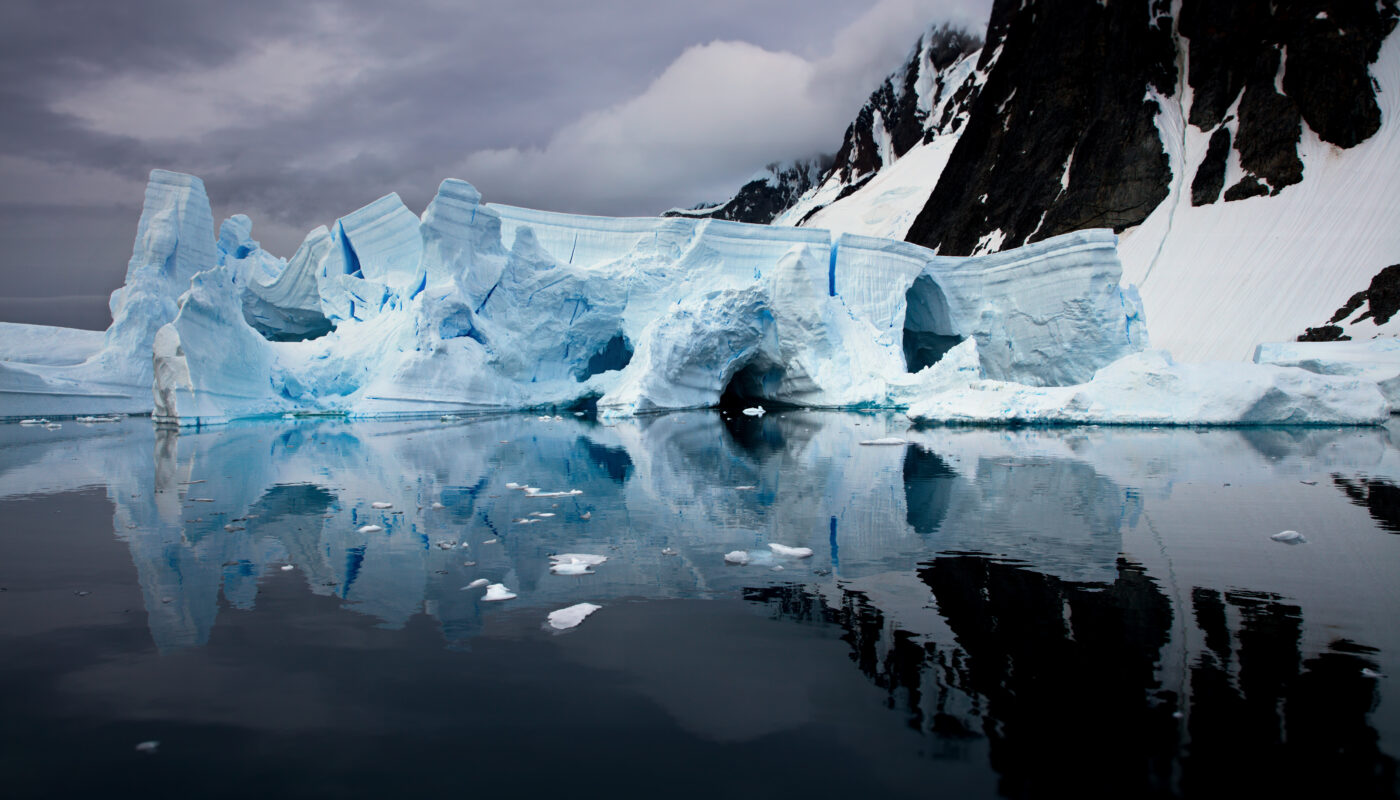
Why Icebergs Often Look Blue
Some icebergs display vivid blue colors that look almost artificial.
This occurs because:
- Dense ice absorbs red wavelengths of light
- Blue light reflects back outward
Older, highly compressed glacier ice often appears especially blue because it contains fewer air bubbles.
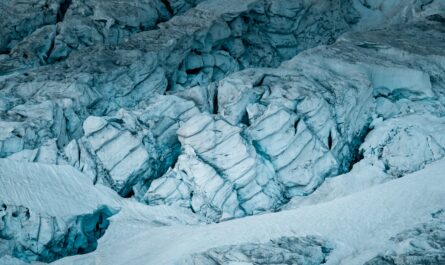
This effect can occur in glaciers as well, particularly in deep crevasses or dense ice walls.
Can Icebergs Become Glaciers?
No.
An iceberg cannot become a glacier because glaciers require:
- Long-term snow accumulation on land
- Compression over many years
Icebergs exist in oceans and gradually melt over time.
The process only works one way:
- Glaciers create icebergs
- Icebergs do not create glaciers
Famous Glacier and Iceberg Destinations
Travelers often encounter glaciers and icebergs together in polar regions.
Popular destinations include:
- Ilulissat Icefjord
- Jökulsárlón
- Patagonia
- Antarctica
These locations offer opportunities to see:
- Active glaciers
- Iceberg calving
- Floating ice formations
Seeing both together helps illustrate their relationship clearly.
Why the Difference Matters
Understanding the difference between glaciers and icebergs is more than just scientific terminology.
These frozen features influence:
- Sea levels
- Water systems
- Ecosystems
- Global climate patterns
Confusing them oversimplifies how Earth’s cryosphere works.
Glaciers are long-term land-based ice systems that actively shape landscapes and climate.
Icebergs are temporary floating fragments created by glaciers entering the sea.
Both are connected—but they are not interchangeable.
Final Thoughts
Glaciers and icebergs may both consist of frozen freshwater ice, but they represent very different parts of Earth’s environmental system.
A glacier is:
- A massive body of moving land ice
- Formed through long-term snow accumulation
- A powerful force shaping landscapes and water systems
An iceberg is:
- A floating fragment broken from a glacier
- Temporary and constantly changing
- Influenced by ocean currents and melting processes
In simple terms:
- Glaciers are the source
- Icebergs are the result
Understanding this distinction helps reveal the complexity and beauty of the frozen world.
And as climate change continues reshaping polar and mountain regions, recognizing how glaciers and icebergs function may become more important than ever before.