 by
by On the rugged western coast of New Zealand’s South Island lies one of the country’s most spectacular natural wonders—Fox Glacier. Flowing down from the towering Southern Alps toward ancient rainforest landscapes, this remarkable glacier represents one half of the famous “twin ice giants” of New Zealand alongside its neighboring glacier, Franz Josef. Together, they form one of the few places on Earth where glaciers descend so close to temperate rainforest and near sea level.
Fox Glacier is not only an extraordinary geological formation but also a symbol of New Zealand’s untamed beauty. Travelers visiting this remote region encounter a dramatic world of snowfields, icy caves, alpine rivers, lush forests, and towering mountains that appear almost prehistoric in scale. The glacier attracts adventurers, photographers, hikers, and nature lovers from across the globe who come to witness one of the Southern Hemisphere’s most iconic icy landscapes.
This article explores the history, geography, ecology, adventures, and cultural significance of Fox Glacier while uncovering why this magnificent ice giant continues to fascinate visitors from around the world.
Introduction to Fox Glacier
Fox Glacier is located within Westland Tai Poutini National Park on the western side of New Zealand’s South Island. The glacier stretches approximately 13 kilometers from the high snowfields of the Southern Alps down toward the coastal rainforest environment below.
Named after former New Zealand Prime Minister Sir William Fox in the 19th century, the glacier has become one of the country’s most visited natural attractions. Unlike many glaciers around the world that remain hidden deep within polar or inaccessible mountain regions, Fox Glacier is remarkably accessible.
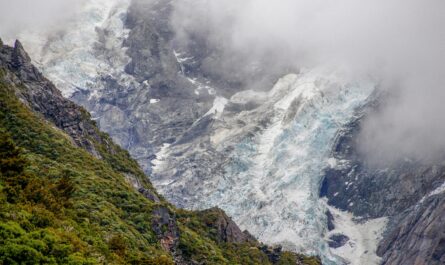
One of the most unique features of Fox Glacier is the striking contrast between ice and rainforest. Visitors can walk through lush green forests filled with ferns and moss before suddenly encountering enormous walls of blue-white ice descending from the mountains.
This unusual combination creates a landscape unlike almost anywhere else on Earth.
The Twin Ice Giants of New Zealand
Fox Glacier is often discussed together with Franz Josef Glacier because the two glaciers sit only about 25 kilometers apart. These neighboring glaciers are known as New Zealand’s “twin ice giants.”
Although both glaciers originate from the Southern Alps and share similar environmental conditions, each has its own personality and visual characteristics.
Fox Glacier
Fox Glacier is generally considered:
- Longer
- Slightly less crowded
- More expansive in appearance
- Surrounded by dramatic mountain views
The glacier descends from the vast snowfields surrounding Aoraki/Mount Cook and Mount Tasman, New Zealand’s highest mountains.
Franz Josef Glacier
Franz Josef Glacier is often viewed as:
- Steeper
- More heavily visited
- Easier to access for certain tours
- Surrounded by dense rainforest
Together, these glaciers create one of the world’s most fascinating glacial systems.
Formation of Fox Glacier
Fox Glacier began forming thousands of years ago during periods of heavy snowfall in the Southern Alps. Over time, layers of compacted snow transformed into dense glacial ice.
As gravity slowly pulled the ice downhill, the glacier carved valleys and shaped the surrounding landscape.
The Glacier’s Movement
Although glaciers appear motionless from a distance, Fox Glacier is constantly moving. Ice from the upper snowfields gradually flows downward toward lower elevations.
Historically, Fox Glacier was known for relatively rapid movement compared to many other glaciers worldwide. At certain periods, the glacier advanced several meters per day.
This movement continuously reshapes the glacier’s surface, producing:
- Deep crevasses
- Ice caves
- Seracs
- Meltwater streams
- Blue ice formations
The glacier’s ever-changing appearance means no two visits are exactly the same.
Geography and Landscape
The environment surrounding Fox Glacier is one of the most visually dramatic regions in New Zealand.
Southern Alps
The glacier originates high within the Southern Alps, a mountain range stretching along much of New Zealand’s South Island.
Towering peaks dominate the skyline, including:
- Mount Tasman
- Aoraki/Mount Cook
- La Perouse
- Mount Dampier
Heavy snowfall in these mountains feeds the glacier year after year.
Rainforest Ecosystem
As the glacier descends, it enters a remarkably different environment—temperate rainforest.
The West Coast receives extremely high rainfall due to moist air from the Tasman Sea colliding with the Southern Alps. This creates dense forests filled with:
- Tree ferns
- Mosses
- Native shrubs
- Podocarp trees
- Flowing rivers
The contrast between tropical-looking greenery and glacial ice creates a surreal atmosphere rarely found elsewhere.
Glacial Rivers and Lakes
Meltwater from Fox Glacier feeds braided rivers and scenic lakes throughout the region.
Nearby Lake Matheson is especially famous for its mirror-like reflections of New Zealand’s highest mountains during calm weather conditions.
Photographers from around the world visit the lake hoping to capture these iconic reflections at sunrise or sunset.
The Importance of Fox Glacier in Māori Culture
Long before European explorers arrived, the glaciers of the South Island held deep significance for the Māori people.
The glacier’s Māori name is Te Moeka o Tuawe, which translates roughly to “the bed of Tuawe.”
According to Māori legend, Tuawe was a climber who fell to his death in the mountains. His grieving lover cried so intensely that her tears froze, forming the glacier.
This story reflects the spiritual relationship Māori communities have long maintained with the natural world.
Today, Māori cultural traditions remain an important part of tourism and environmental conservation in the region.
Exploring Fox Glacier
Visitors can experience Fox Glacier in many different ways depending on fitness level, adventure interests, and weather conditions.
Walking Trails
Several walking tracks allow visitors to explore the glacier valley safely.
The Fox Glacier Valley Walk is one of the most popular options. This relatively easy trail leads through rocky glacial terrain toward viewing areas near the glacier terminus.
Along the walk, visitors encounter:
- Glacial rivers
- Waterfalls
- Mountain views
- Native vegetation
- Evidence of past glacier positions
Interpretive signs often explain how the glacier has changed over time.
Helicopter Tours
One of the most exciting ways to experience Fox Glacier is by helicopter.
Helicopter tours provide breathtaking aerial views of:
- Icefalls
- Snowfields
- Crevasses
- Alpine peaks
- Remote glaciers
Many tours include snow landings, allowing visitors to step directly onto the glacier itself.
The aerial perspective reveals the immense scale of the glacier far better than ground-level viewing alone.
Heli-Hiking Adventures
Heli-hiking combines helicopter transport with guided glacier walks.
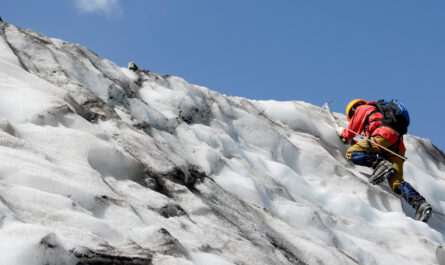
Participants land on the glacier before exploring icy terrain with trained guides equipped with crampons and safety equipment.
This experience allows visitors to discover:
- Ice caves
- Deep blue ice formations
- Glacier tunnels
- Frozen ridges
Because the glacier changes constantly, each heli-hiking trip feels unique.
Wildlife Around Fox Glacier
Although glaciers may seem barren at first glance, the surrounding ecosystems support diverse wildlife.
Birdlife
The forests and alpine areas near Fox Glacier contain several native bird species, including:
- Kea parrots
- Fantails
- Bellbirds
- Tūī
- Tomtits
The kea is particularly famous for its intelligence and playful behavior.
Forest Creatures
The rainforest environment supports insects, lizards, and unique plant communities adapted to the wet climate.
The mixture of alpine and coastal ecosystems within a relatively small area creates impressive biodiversity.
Climate and Weather Conditions
Weather around Fox Glacier changes rapidly due to the interaction between mountains and ocean systems.
Visitors may experience:
- Heavy rainfall
- Sunshine
- Snow
- Fog
- Strong winds
All within the same day.
Rainfall
The West Coast is among the wettest regions in New Zealand. Rain contributes to both the lush rainforest environment and the glacier’s water supply.
Travelers should always prepare for wet conditions regardless of the season.
Best Time to Visit
Fox Glacier can be visited year-round, although conditions vary.
Summer (December to February)
- Warmer temperatures
- Longer daylight hours
- Popular tourist season
- Better hiking conditions
Autumn (March to May)
- Fewer crowds
- Cooler temperatures
- Beautiful lighting for photography
Winter (June to August)
- Snow-covered mountains
- Dramatic alpine scenery
- Cold conditions
- Possible weather disruptions
Spring (September to November)
- Waterfalls at strong flow
- Wildflowers beginning to bloom
- Variable weather
Each season offers different perspectives of the glacier landscape.
Climate Change and Glacier Retreat
Like many glaciers worldwide, Fox Glacier has experienced significant retreat due to climate change.
Historical Changes
During the 20th century, Fox Glacier underwent cycles of advance and retreat. However, recent decades have shown substantial ice loss.
Warmer temperatures reduce snowfall accumulation while increasing melt rates.
As a result:
- The glacier terminus has retreated
- Ice thickness has decreased
- Access routes have changed
- Ice caves collapse more frequently
Environmental Significance
Fox Glacier serves as an important visual reminder of global climate change.
Scientists study glaciers like Fox to better understand:
- Temperature trends
- Hydrological changes
- Sea-level impacts
- Ecosystem responses
Many visitors leave the glacier with a stronger awareness of environmental conservation issues.
Tourism and Local Economy
Tourism plays a major role in the Fox Glacier region.
Local businesses depend heavily on visitors participating in:
- Guided tours
- Scenic flights
- Accommodation
- Restaurants
- Adventure activities
The nearby township of Fox Glacier serves as the main base for travelers exploring the area.
Despite its small size, the village offers:
- Hotels
- Cafés
- Tour operators
- Visitor centers
- Outdoor equipment services
The tourism industry helps support conservation efforts while providing employment opportunities for local communities.
Photography Opportunities
Fox Glacier is one of New Zealand’s premier photography destinations.
Best Photography Locations
Popular spots include:
- Lake Matheson
- Glacier viewpoint trails
- Helicopter viewpoints
- Mountain passes
- Rainforest tracks
Sunrise and Sunset
Early morning and evening light often create dramatic conditions with colorful skies reflecting on snow-covered peaks.
Cloud formations around the Southern Alps frequently add depth and atmosphere to landscape photographs.
Safety Considerations
Glacier environments can be dangerous without proper precautions.
Risks include:
- Falling ice
- Rockslides
- Crevasses
- Flooding rivers
- Sudden weather changes
For safety reasons, visitors should:
- Follow marked trails
- Respect warning signs
- Avoid entering restricted areas
- Use experienced guides for glacier access
Conditions on glaciers change rapidly, making professional guidance essential for close exploration.
Why Fox Glacier Captivates Travelers
Fox Glacier offers more than just scenic beauty. It represents the raw power of nature and the constantly changing relationship between climate, mountains, water, and ice.
Few destinations combine so many contrasting landscapes within a single region:
- Rainforest and glacier
- Ocean and mountains
- Warm valleys and icy peaks
This diversity creates an emotional experience that leaves lasting memories for visitors.
The glacier also encourages reflection. Standing before massive walls of ancient ice reminds travelers of the immense age and power of Earth’s natural systems.
Final Thoughts
Fox Glacier remains one of New Zealand’s most extraordinary natural treasures. As one of the country’s famous twin ice giants, it offers a rare opportunity to witness a living glacier descending through rainforest toward the sea.
From helicopter flights and glacier hikes to peaceful forest walks and reflective lakes, the region provides unforgettable experiences for every type of traveler. The glacier’s dramatic scenery, cultural significance, ecological diversity, and geological importance make it far more than just a tourist attraction.
At the same time, Fox Glacier stands as a reminder of the fragile balance between nature and climate. As global temperatures continue to rise, glaciers worldwide face uncertain futures.
For those fortunate enough to visit, Fox Glacier delivers not only breathtaking beauty but also a deeper appreciation for the natural forces that shape our planet.