 by
by To many people, any large area of snow and ice in the mountains may appear to be a glacier. From a distance, snow-covered slopes, frozen valleys, and broad white landscapes can seem nearly identical. Yet in geology and climate science, glaciers and snowfields are very different natural formations. While both involve accumulated snow and ice, only glaciers possess the unique characteristics that allow them to shape landscapes, move slowly across terrain, and influence entire ecosystems.
Understanding the difference between glaciers and snowfields is important not only for geography and environmental science, but also for understanding climate change, mountain ecosystems, freshwater systems, and Earth’s geological history. Glaciers are dynamic rivers of ice that actively move under their own weight, while snowfields are generally more stable accumulations of seasonal or long-lasting snow that lack the movement and structural transformation required to become glaciers.
This distinction may sound simple at first, but the science behind it reveals fascinating processes involving pressure, time, temperature, gravity, and the slow transformation of snow into dense glacial ice.
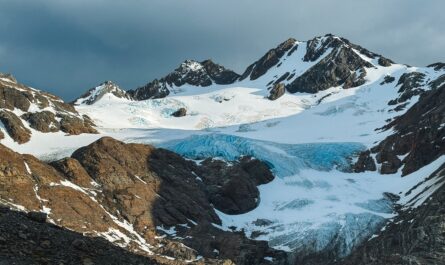
Snowfields and glaciers can be seen side by side in many mountainous areas of the world. Some snowfields may eventually evolve into glaciers if conditions remain favorable for long enough. Others melt away seasonally without ever becoming permanent ice masses.
The difference between the two highlights one of nature’s most remarkable transformations: the gradual creation of moving ice systems capable of reshaping entire continents.
What Is a Snowfield?
A snowfield is a large area of snow that remains on the ground for extended periods, often throughout the entire year in cold climates or high-altitude environments.
Snowfields are commonly found:
- On mountain slopes
- In high valleys
- Near polar regions
- Above the snow line in alpine environments
Unlike ordinary winter snow that melts during warmer seasons, snowfields persist because temperatures remain cold enough to prevent complete melting.
However, a snowfield is not automatically a glacier.
The key reason is simple: snowfields generally do not move significantly under their own weight.
Snowfields may grow and shrink seasonally depending on:
- Snowfall
- Temperature
- Wind patterns
- Sun exposure
- Elevation
But they lack the internal structure and flowing movement that define true glaciers.
What Is a Glacier?
A glacier is a large, long-lasting mass of dense ice formed from accumulated snow that has compacted over many years and begun moving slowly under the force of gravity.
The movement of ice is the most important characteristic separating glaciers from snowfields.
Glaciers behave almost like extremely slow rivers of ice.
They gradually flow downhill or outward due to:
- Gravity
- Pressure
- Ice deformation
Even though glacier movement may appear invisible to the human eye, glaciers are constantly shifting and reshaping the landscapes around them.
Some glaciers move only a few centimeters per day, while others may advance several meters daily depending on temperature, slope, and ice conditions.
The Transformation From Snow to Glacier Ice
One reason people confuse snowfields and glaciers is because glaciers begin as snow accumulation.
The transformation occurs gradually over many years.
Step 1: Snow Accumulation
Fresh snow falls repeatedly in cold environments where summer melting remains limited.
Over time, layers of snow build on top of each other.
Step 2: Compression
As snow accumulates, the weight of upper layers compresses the lower layers.
Air pockets within the snow begin shrinking.
Step 3: Firn Formation
Compressed snow transforms into firn, a dense granular material that is more compact than ordinary snow but not yet fully glacial ice.
Firn often survives multiple summer seasons.
Step 4: Glacial Ice Formation
Continued pressure eventually forces most remaining air out of the firn.
The material recrystallizes into dense blue glacial ice.
At this stage, the ice mass may become thick and heavy enough to begin moving under gravity.
Once movement begins, the formation officially qualifies as a glacier.
Why Movement Matters
The defining feature of glaciers is motion.
This movement allows glaciers to:
- Carve valleys
- Shape mountains
- Transport rocks
- Create fjords
- Form moraines
- Influence river systems
Snowfields, by contrast, remain relatively stationary.
Because glaciers move slowly over land, they act as geological forces capable of dramatically altering Earth’s surface over thousands of years.
Many famous landscapes exist because glaciers once flowed through them.
Examples include:
- U-shaped valleys
- Fjords
- Great Lakes regions
- Alpine basins
- Glacial lakes
Without movement, snowfields do not possess the same landscape-shaping power.
How Glaciers Move
Glacier movement may seem surprising because ice appears solid and rigid.
However, glacier ice behaves differently under immense pressure.
Glaciers move through:
- Internal deformation
- Basal sliding
- Gravity-driven flow
Internal Deformation
Deep glacier ice slowly deforms under pressure, allowing the glacier to flow like a thick fluid over long periods.
Basal Sliding
Some glaciers slide over rock surfaces due to meltwater beneath the ice acting as lubrication.
Gravity
Gravity continuously pulls glacier ice downhill or outward from accumulation zones.
Snowfields lack sufficient thickness and internal structure for these processes to occur significantly.
Different Types of Glaciers
Glaciers exist in several forms depending on geography and climate.
Valley Glaciers
These glaciers flow through mountain valleys like frozen rivers.
Ice Caps
Ice caps spread outward over large land areas.
Continental Ice Sheets
Massive ice sheets cover regions such as Antarctica and Greenland.
Tidewater Glaciers
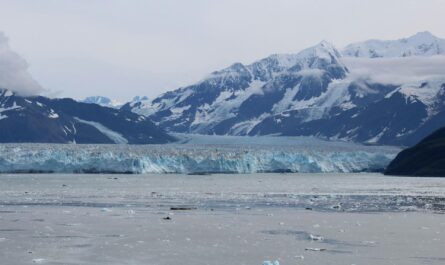
These glaciers flow directly into oceans or fjords.
Snowfields, meanwhile, are usually classified more simply as persistent snow-covered areas without major ice movement.
Snowfields Can Become Glaciers
Some snowfields eventually evolve into glaciers if environmental conditions remain favorable long enough.
This process requires:
- Continuous snowfall accumulation
- Limited summer melting
- Increasing snow depth
- Long-term cold temperatures
If snow accumulates faster than it melts year after year, compression gradually increases.
Eventually, the snowfield may generate enough dense ice mass for movement to begin.
At that point, the snowfield transitions into a glacier.
However, many snowfields never reach this stage because:
- Seasonal melting removes accumulated snow
- Temperatures fluctuate too much
- Snow depth remains insufficient
Permanent Snowfields vs Seasonal Snow
Another common source of confusion involves seasonal snow cover.
Seasonal snow disappears during warmer months and returns during winter.
Permanent snowfields remain throughout the year, even during summer.
Yet permanence alone does not create a glacier.
A permanent snowfield may remain stationary for centuries without developing enough ice thickness or movement to qualify as glacial ice.
The Role of Climate
Climate strongly influences both glaciers and snowfields.
Cold temperatures and consistent snowfall support ice accumulation.
Warmer temperatures increase melting.
Climate change is currently affecting both systems worldwide.
Glacier Retreat
Many glaciers are shrinking rapidly due to rising temperatures.
Snowfield Reduction
Snowfields are also becoming smaller in some regions because shorter winters reduce snow accumulation.
However, glaciers and snowfields do not respond identically to climate changes.
Because glaciers involve long-term ice storage and movement, their behavior may continue changing for decades even after climate conditions shift.
Why Glaciers Look Blue
One fascinating difference between glaciers and ordinary snowfields involves color.
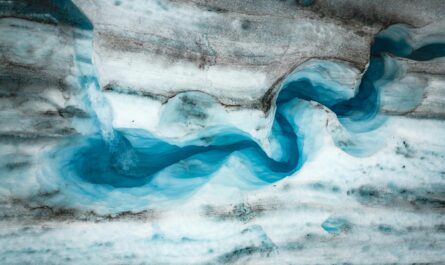
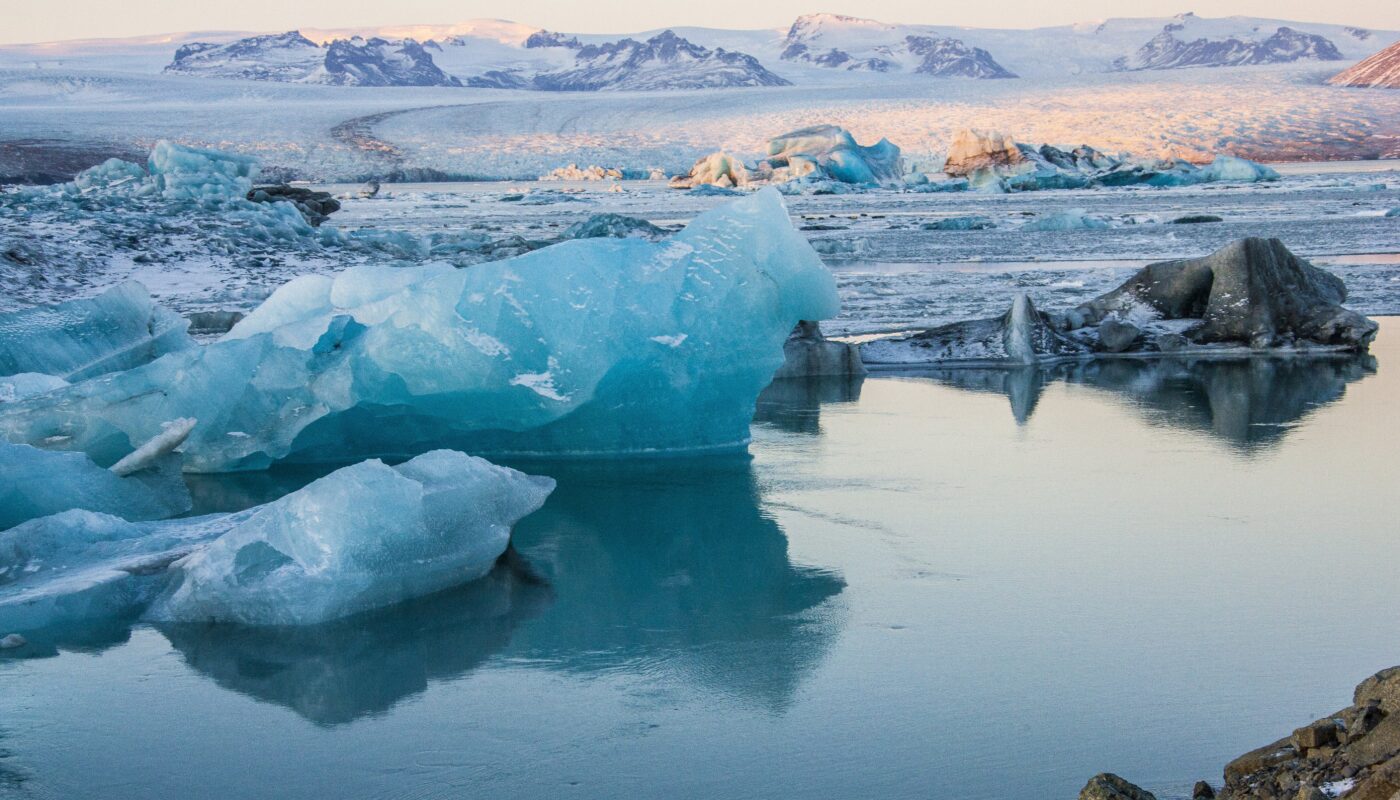
Glacial ice often appears blue because dense ice absorbs red wavelengths of light while scattering blue wavelengths.
Snowfields, which contain more trapped air between snow crystals, usually appear bright white.
This color difference reflects the structural transformation from loose snow into dense compressed ice.
Glaciers as Freshwater Reservoirs
Glaciers store enormous amounts of freshwater.
In many regions, glacier meltwater supports:
- Rivers
- Agriculture
- Hydropower
- Drinking water systems
Snowfields may contribute seasonal runoff, but glaciers function as much larger long-term water reservoirs.
This distinction is critically important for communities depending on glacier-fed rivers during dry seasons.
Glaciers and Landscape Formation
One of the most important differences between glaciers and snowfields is their geological influence.
Glaciers actively reshape landscapes through erosion.
As glaciers move, they:
- Grind rock surfaces
- Carve valleys
- Transport sediment
- Create lakes
- Shape coastlines
Many iconic landscapes around the world were formed by ancient glaciers.
Examples include:
- Norwegian fjords
- Yosemite Valley
- Alpine mountain basins
- Great Lakes terrain
Snowfields generally lack the movement necessary to produce such large-scale geological changes.
Ice Thickness and Structure
Glaciers are usually much thicker and denser than snowfields.
Large glaciers may reach hundreds or even thousands of meters in thickness.
This thickness creates:
- Enormous pressure
- Internal ice flow
- Structural layering
- Crevasse formation
Snowfields typically remain shallower and less structurally complex.
Crevasses and Glacier Features
Glaciers develop unique physical features because of movement.
These include:
- Crevasses
- Icefalls
- Seracs
- Moraines
- Glacier caves
Such features form as moving ice stretches, cracks, and interacts with terrain.
Snowfields generally do not develop these dramatic structures because they lack large-scale ice movement.
Why the Difference Matters Scientifically
Distinguishing between glaciers and snowfields is important for:
- Climate science
- Hydrology
- Environmental monitoring
- Geological studies
Scientists track glaciers carefully because glacier behavior provides valuable information about:
- Long-term climate trends
- Water availability
- Sea-level rise
- Ecosystem changes
Confusing snowfields with glaciers could lead to inaccurate environmental assessments.
Tourism and Public Understanding
Many tourists unknowingly visit snowfields believing they are glaciers.
In some destinations, snow-covered mountain areas are marketed casually as glaciers despite lacking true glacier characteristics.
Understanding the difference helps travelers better appreciate:
- Geological processes
- Climate impacts
- Mountain ecosystems
- Earth’s ice systems
It also increases awareness of how remarkable glaciers truly are.
Climate Change and the Future of Ice Landscapes
Global warming is affecting glaciers and snowfields worldwide.
Many glaciers are retreating rapidly due to rising temperatures and changing snowfall patterns.
Some smaller glaciers may eventually shrink into stationary snowfields before disappearing entirely.
This transition demonstrates how delicate the balance between snow accumulation and ice movement can be.
As glaciers shrink:
- Water systems change
- Landscapes transform
- Ecosystems shift
- Sea levels rise
Understanding what makes glaciers unique helps clarify why their loss carries such major environmental consequences.
Final Thoughts
Although glaciers and snowfields may appear similar from a distance, they are fundamentally different natural systems. Snowfields are persistent accumulations of snow, while glaciers are massive moving bodies of dense ice shaped by years of compression and gravity-driven flow.
The ability to move is what truly separates glaciers from ordinary snow-covered landscapes.
This movement allows glaciers to carve valleys, reshape mountains, store freshwater, and influence entire ecosystems over immense timescales.
Snowfields may eventually become glaciers if enough snow accumulates and compresses over time, but many remain stationary without developing the density and movement required for glacial behavior.
Understanding the distinction between glaciers and snowfields reveals the extraordinary complexity of Earth’s frozen environments and highlights the powerful geological role glaciers continue playing across the planet today.