 by
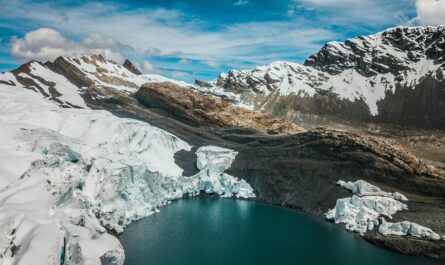
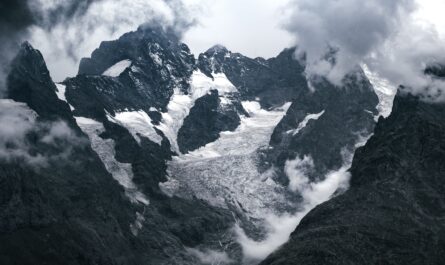
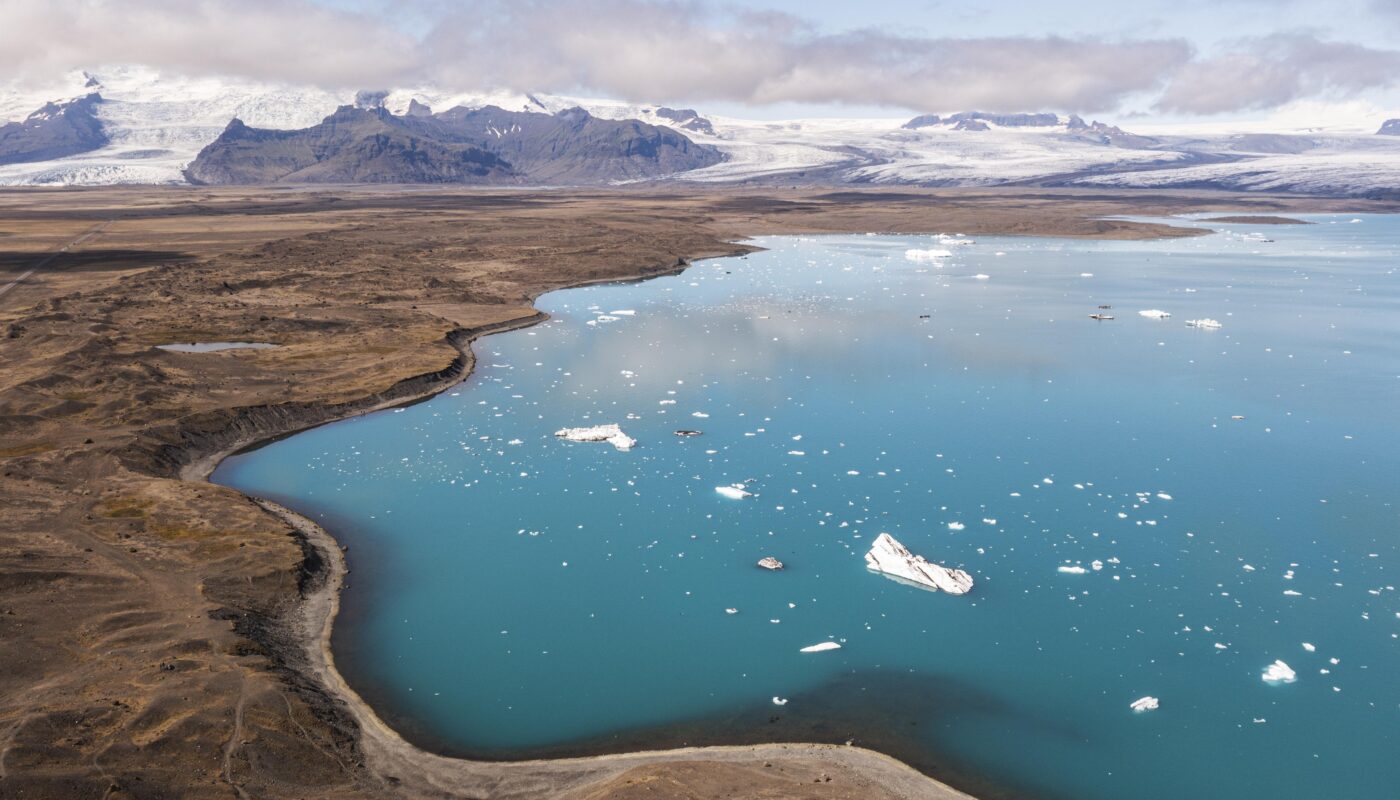
by Across the world’s highest mountains and coldest regions, glaciers quietly perform one of the planet’s most important natural functions: storing and releasing freshwater. These immense rivers of ice act like giant frozen reservoirs, gradually supplying water to rivers, farms, cities, and ecosystems during warmer seasons.
For millions of people, glacier meltwater is not optional—it is essential for survival.
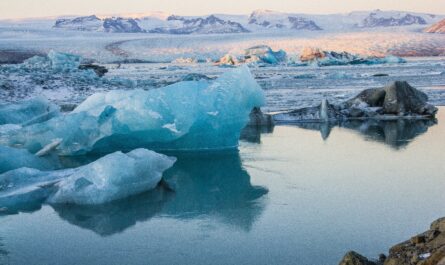
Yet glaciers are disappearing at an alarming pace. Rising global temperatures are accelerating ice melt in mountain systems across Asia, South America, Europe, and North America. Scientists warn that many glaciers may shrink dramatically within this century if warming trends continue.
As this happens, a troubling question is gaining global attention: could shrinking glaciers contribute to future conflicts over water?
The idea of “water wars” may sound dramatic, but concerns about freshwater security are very real. Glacier loss alone is unlikely to directly cause wars between nations. However, it could intensify water shortages, economic stress, political instability, migration pressures, and regional competition—especially in areas already struggling with limited resources.
Understanding the connection between glacier retreat and future conflict requires looking beyond ice itself. It involves climate change, population growth, agriculture, energy production, international politics, and humanity’s growing demand for freshwater.
Why Glaciers Matter So Much
Glaciers are more than frozen landscapes. They are part of a delicate water system that supports human civilization.
In cold seasons, glaciers accumulate snow and ice. During warmer months, they slowly release meltwater into rivers and streams. This steady flow helps stabilize freshwater supplies throughout the year, especially during dry periods.
Without glaciers, many rivers would experience more extreme seasonal fluctuations.
Glacier-fed water supports:
- Drinking water supplies
- Irrigation systems
- Hydroelectric power
- Industrial activity
- Ecosystems and fisheries
- Urban populations
In some regions, glaciers act as natural “water towers” for entire countries.
Regions Most Vulnerable to Glacier Loss
The Himalayan Region
The Himalayas contain some of the largest ice reserves outside the polar regions.
Glacier melt from these mountains feeds major rivers including:
- The Indus
- Ganges
- Brahmaputra
- Mekong
- Yangtze
These rivers support hundreds of millions of people across several countries, including:
- India
- Pakistan
- China
- Nepal
- Bangladesh
Changes in glacier behavior could affect agriculture, drinking water, and hydropower throughout much of Asia.
Because these rivers cross borders, water management is also politically sensitive.
The Andes Mountains
In South America, glaciers in the Andes provide critical freshwater for communities in:
- Peru
- Bolivia
- Chile
- Ecuador
Many cities depend heavily on glacier-fed rivers during dry seasons.
Some tropical glaciers in the Andes are shrinking rapidly, creating concerns about long-term water reliability for both rural and urban populations.
Central Asia
Central Asian glaciers feed rivers shared by multiple nations.
These waters are heavily used for:
- Irrigation
- Hydropower
- Livestock farming
- Domestic water supply
Political tensions over river management already exist in some areas, and glacier retreat could increase pressure on shared water systems.
The Hidden Danger: Temporary Abundance
One of the most misunderstood aspects of glacier loss is that melting glaciers can initially increase water flow.
As temperatures rise:
- More ice melts
- Rivers temporarily carry more water
- Reservoirs and lakes may appear stable
At first glance, this can create the illusion that water supplies are improving.
However, this phase is temporary.
Eventually, glaciers shrink to the point where they can no longer provide sustained meltwater. Once that threshold is crossed:
- River flow decreases
- Dry-season water shortages become more severe
- Water systems become less predictable
This long-term decline is the real concern.
Water Scarcity and Human Conflict
Water scarcity does not automatically lead to war. Human societies are far more complex than simple resource competition.
However, water shortages can increase stress within already fragile systems.
When freshwater becomes unreliable, the effects may include:
- Food shortages
- Agricultural decline
- Economic instability
- Rising energy costs
- Migration pressures
- Political unrest
In vulnerable regions, these pressures can increase tensions between:
- Farmers and cities
- Upstream and downstream communities
- Neighboring countries
Glacier loss may therefore act as a “risk multiplier” rather than a direct cause of war.
Agriculture: The Largest Water Consumer
Agriculture uses enormous amounts of freshwater worldwide.
In glacier-fed regions, meltwater often supports irrigation systems essential for growing crops.
Reduced water availability could lead to:
- Lower crop production
- Higher food prices
- Rural economic hardship
- Increased dependence on imported food
In regions where farming supports large populations, this could create social and political instability.
Hydroelectric Power and Energy Tensions
Many countries depend on glacier-fed rivers to generate hydroelectricity.
Hydropower systems require stable water flow to function effectively.
As glaciers shrink, changing river patterns may affect:
- Electricity production
- Energy reliability
- Economic growth
Countries that share rivers may compete over dam construction, water storage, or seasonal river management.
Energy insecurity can deepen regional tensions.
Shared Rivers Create Political Challenges
Many glacier-fed rivers cross international borders.
This creates difficult geopolitical questions:
- Who controls upstream water?
- How should water be divided?
- What happens during drought years?
- Who decides how reservoirs are managed?
Upstream countries may build dams or divert water for agriculture and energy production, while downstream countries worry about losing access.
When water becomes scarcer, these disagreements can become more serious.
The Himalayas and Future Geopolitical Pressure
The Himalayan region is often discussed as one of the world’s most sensitive future water zones.
Several factors increase the risk of tension:
- Massive populations
- Shared rivers crossing borders
- Existing political rivalries
- Rapid glacier retreat
- Heavy agricultural dependence
Countries in the region already negotiate complex water-sharing arrangements. Climate change may make those negotiations more difficult in the future.
Climate Migration and Social Stress
Water shortages may also force populations to move.
If glacier-fed systems become unreliable, some communities may experience:
- Crop failures
- Water rationing
- Economic collapse
- Loss of livelihoods
Migration toward cities or more stable regions may increase.
Large migration movements can place pressure on:
- Housing
- Jobs
- Infrastructure
- Public services
While migration itself does not create conflict automatically, it can increase social tension in economically stressed areas.
Why “Water Wars” May Not Happen as Expected
Despite growing concern, many experts believe large-scale wars fought solely over water remain unlikely.
Historically, countries sharing rivers more often cooperate than fight directly.
Why?
Because shared water systems usually create mutual dependence.
Even politically tense neighbors often realize that cooperation benefits everyone more than open conflict.
Examples of cooperation include:
- International river treaties
- Shared monitoring systems
- Joint water commissions
- Regional climate agreements
Water diplomacy may become increasingly important in the future.
Technology Could Reduce Pressure
Human adaptation may also reduce the risk of future water conflicts.
Technological improvements can help societies use water more efficiently.
Possible solutions include:
- Modern irrigation systems
- Water recycling infrastructure
- Desalination plants
- Smart water management networks
- Improved reservoirs and storage systems
While these technologies cannot fully replace glacier systems, they may reduce vulnerability in some regions.
Climate Change Is the Larger Crisis
Glacier loss is only one part of a broader environmental challenge.
Climate change is also causing:
- More frequent droughts
- Changing rainfall patterns
- Extreme heat waves
- Severe storms and flooding
Future water insecurity will likely result from multiple overlapping pressures, not glacier retreat alone.
This broader context matters because conflict risk often emerges when several stresses occur simultaneously.
Psychological and Political Effects of Water Insecurity
Water scarcity affects more than physical survival. It also shapes politics and public perception.
When people fear losing access to freshwater:
- Anxiety increases
- Nationalist rhetoric may grow
- Governments face political pressure
- Public trust can weaken
In some cases, political leaders may use water concerns to justify aggressive policies or regional disputes.
The Importance of Adaptation and Cooperation
The future impact of glacier loss depends heavily on how governments and societies respond.
Regions that invest in:
- Sustainable water infrastructure
- International cooperation
- Climate adaptation planning
- Efficient agriculture
- Scientific monitoring
are more likely to avoid severe instability.
Poor governance often creates greater risk than environmental change alone.
Can Glacier Loss Be Managed Peacefully?
Yes—but it requires long-term planning.
Key priorities include:
- Reducing greenhouse gas emissions
- Strengthening international water treaties
- Expanding climate research
- Improving water efficiency
- Supporting vulnerable communities
The challenge is not simply environmental. It is political, economic, and social as well.
The Role of Science and Monitoring
Scientists are increasingly using:
- Satellite observations
- Drones
- Climate models
- River monitoring systems
to track glacier changes and predict future water availability.
Better data allows governments to prepare earlier and make more informed decisions.
Without accurate scientific monitoring, managing future water stress becomes much harder.
Final Thoughts
Glaciers have quietly supported human civilizations for thousands of years, releasing freshwater that sustains agriculture, energy production, ecosystems, and daily life across entire continents.
As these frozen reservoirs shrink, the consequences may reach far beyond mountain landscapes.
Will glacier loss directly cause future water wars? Probably not in the simple way the phrase suggests. But glacier retreat could intensify many of the pressures that contribute to instability—especially in regions already facing political tension, rapid population growth, and climate vulnerability.
The real danger lies not only in disappearing ice, but in how humanity responds to growing water uncertainty.
Future outcomes will depend on cooperation, technology, planning, and responsible environmental action. Water scarcity can create division, but it can also encourage collaboration when nations recognize that survival depends on shared solutions.
In the end, glacier loss is not just a story about ice melting in distant mountains. It is a story about the future relationship between climate, resources, and human society itself.