 by
by Glaciers are among Earth’s most breathtaking natural wonders. These massive rivers of ice, sculpted over thousands of years, have captivated explorers, scientists, photographers, and travelers alike. Their striking blue hues, dramatic crevasses, towering ice walls, and surrounding landscapes create some of the most visually stunning scenes on the planet. As travel photography has grown in popularity, certain glaciers have become iconic destinations, attracting millions of visitors and appearing in countless photographs, documentaries, magazines, and social media feeds.
From the rugged wilderness of Alaska to the remote beauty of Antarctica, these frozen giants offer extraordinary opportunities for capturing nature’s grandeur. While every glacier possesses unique characteristics, a select few have gained worldwide recognition as the most photographed glaciers on Earth.
Why Glaciers Fascinate Photographers
Glaciers provide a rare combination of scale, texture, color, and movement. Unlike static mountains or deserts, glaciers are constantly changing. Ice cracks, melts, advances, and retreats, creating new patterns and formations that make every visit unique.
Several factors make glaciers particularly attractive subjects:
- Brilliant shades of blue caused by compressed ice
- Dramatic contrasts between ice, rock, and water
- Reflections in glacial lakes and fjords
- Wildlife encounters nearby
- Ever-changing weather conditions
- Opportunities for aerial photography
- Stunning sunrise and sunset lighting
These elements combine to create images that are both visually striking and emotionally powerful.
Perito Moreno Glacier, Argentina


7
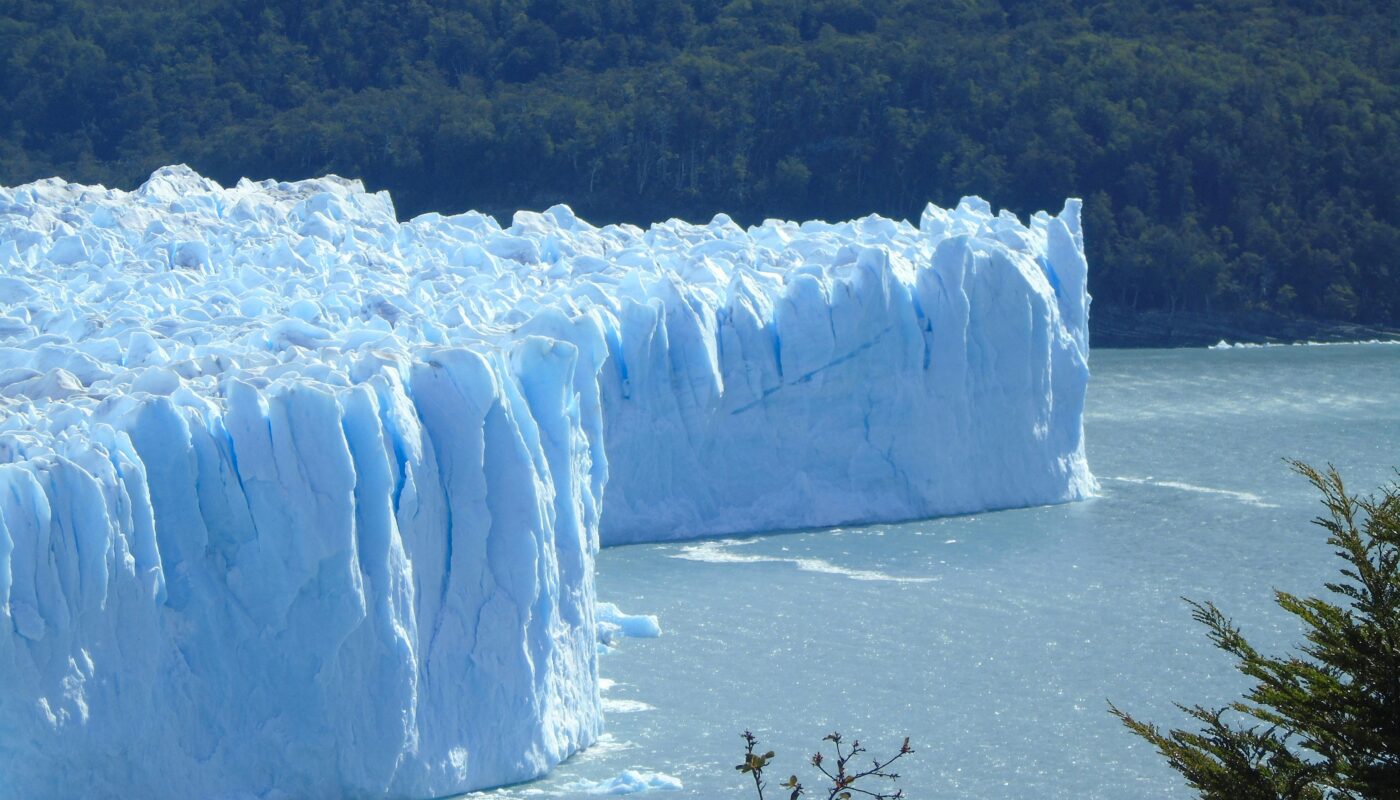
Located within Los Glaciares National Park in Argentina, the Perito Moreno Glacier is widely considered one of the world’s most photogenic glaciers.
Unlike many glaciers that are shrinking rapidly, Perito Moreno remains relatively stable. Its immense ice wall rises approximately 60 meters (197 feet) above the waters of Lake Argentino, creating an unforgettable sight.
Photographers flock here to capture:
- Massive ice calving events
- Deep blue ice formations
- Panoramic viewpoints
- Reflections in the lake
- Snow-capped Andean backdrops
The glacier’s accessibility through extensive viewing platforms allows visitors to photograph it from multiple angles without requiring technical climbing skills.
Jökulsárlón Glacier Lagoon, Iceland


7
Although technically a glacial lagoon fed by the glacier Breiðamerkurjökull, the area around Jökulsárlón is among the most photographed glacier environments in the world.
Floating icebergs drift across the lagoon before washing onto nearby Diamond Beach, where crystal-clear chunks of ice rest on black volcanic sand.
The location offers exceptional opportunities for:
- Long-exposure photography
- Iceberg close-ups
- Northern Lights images
- Sunrise reflections
- Wildlife photography featuring seals and seabirds
Few places on Earth combine ice, ocean, volcanic landscapes, and dramatic weather as beautifully as Jökulsárlón.
Athabasca Glacier, Canada
Situated within Jasper National Park, the Athabasca Glacier is one of the most accessible glaciers in North America.
Part of the vast Columbia Icefield, Athabasca Glacier attracts photographers year-round. Visitors can approach the glacier closely and photograph its impressive ice formations against the backdrop of the Canadian Rockies.
Popular subjects include:
- Glacial meltwater streams
- Rugged mountain scenery
- Ice caves
- Seasonal snow patterns
- Adventure travelers exploring the glacier
Its location along the famous Icefields Parkway ensures a steady stream of photographers seeking iconic Canadian landscapes.
Mendenhall Glacier, Alaska


7
Just outside Juneau lies the spectacular Mendenhall Glacier.
One reason for its popularity is accessibility. Visitors arriving by cruise ship can reach the glacier within minutes, making it one of the most frequently photographed glaciers in Alaska.
The glacier is famous for:
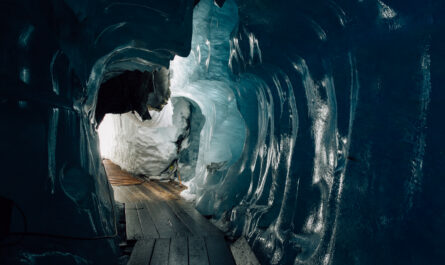
- Ice caves glowing with blue light
- Waterfalls near the glacier face
- Wildlife such as bears and eagles
- Reflection photography
- Kayaking perspectives
The combination of ice, forests, lakes, and wildlife creates diverse photographic opportunities throughout the year.
Franz Josef Glacier, New Zealand
Located on New Zealand’s South Island, Franz Josef Glacier offers one of the world’s most unusual glacier landscapes.
Few glaciers descend from alpine heights into temperate rainforest environments. This remarkable contrast makes Franz Josef a favorite among landscape photographers.
Visitors can capture:
- Ice surrounded by lush greenery
- Helicopter aerial views
- Dramatic weather systems
- Mountain reflections
- Unique glacier textures
The glacier’s setting creates images unlike those from any other glacial destination.
Fox Glacier, New Zealand
Not far from Franz Josef lies Fox Glacier, another photographic gem.
Fox Glacier extends toward ancient rainforest and offers outstanding opportunities for aerial photography. Helicopter tours provide dramatic perspectives of ice rivers winding through rugged mountain terrain.
Photographers particularly appreciate:
- Glacier-fed lakes
- Reflection shots
- Alpine scenery
- Snow-covered peaks
- Contrasting ecosystems
The area’s unpredictable weather often produces dramatic cloud formations that add depth and atmosphere to photographs.
Aletsch Glacier, Switzerland


6
The Aletsch Glacier is the largest glacier in the Alps and one of Europe’s most photographed natural landmarks.
Stretching more than 20 kilometers, this UNESCO-recognized glacier offers spectacular panoramic views from numerous mountain viewpoints.
Photography highlights include:
- Vast ice fields
- Alpine villages
- Mountain ridges
- Sunrise landscapes
- Seasonal color contrasts
Its immense scale is best appreciated from elevated viewpoints, where photographers can capture the glacier winding through the mountains like a frozen river.
Grey Glacier, Chile
Situated within Torres del Paine National Park, the stunning Grey Glacier is among South America’s most photographed glaciers.
The glacier flows from the Southern Patagonian Ice Field and features striking blue ice formations that stand out against dark mountain landscapes.
Photographers visit to capture:
- Floating icebergs
- Stormy Patagonian weather
- Vast ice walls
- Dramatic trekking scenes
- Lake reflections
The remote wilderness setting enhances the sense of scale and isolation in photographs.
Hubbard Glacier, Alaska
The immense Hubbard Glacier is one of the largest tidewater glaciers in North America.
Unlike many glaciers that are retreating, Hubbard Glacier has experienced periods of advancement, making it an important scientific and photographic subject.
Popular photography opportunities include:
- Massive calving events
- Cruise-ship perspectives
- Wildlife encounters
- Aerial photography
- Dynamic ice formations
Its enormous size often surprises visitors, who struggle to capture its full scale in a single frame.
Antarctic Peninsula Glaciers


7
No discussion of photographed glaciers would be complete without mentioning the glaciers of the Antarctic Peninsula.
While individual glaciers vary, the region as a whole has become increasingly popular among expedition photographers.
The Antarctic environment offers:
- Towering ice cliffs
- Vast frozen landscapes
- Unique lighting conditions
- Penguin colonies
- Extraordinary aerial perspectives
Because few locations on Earth remain as untouched and pristine, Antarctic glacier photography carries a powerful sense of exploration and discovery.
How Social Media Has Increased Glacier Photography
In recent years, platforms such as Instagram, YouTube, and photography-sharing websites have dramatically increased interest in glacier destinations.
Travelers now seek:
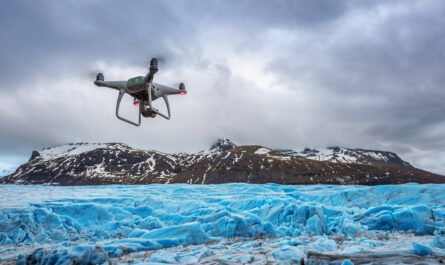
- Drone footage
- Time-lapse videos
- Adventure photography
- Wildlife-glacier combinations
- Unique seasonal perspectives
As a result, destinations like Iceland, Patagonia, Alaska, and New Zealand have seen substantial growth in glacier tourism.
Photographs shared online often inspire others to visit these locations, creating a cycle of increasing popularity and awareness.
The Importance of Photographing Glaciers Responsibly
While glacier photography helps people appreciate these magnificent landscapes, it also highlights an important reality: many glaciers are shrinking due to climate change.
Historical photographs compared with modern images reveal dramatic changes in glacier size and volume across the world.
Responsible glacier photography includes:
- Following local guidelines
- Staying on designated trails
- Avoiding fragile environments
- Supporting conservation efforts
- Educating others through images
Photography can serve not only as art but also as documentation, helping future generations understand how Earth’s frozen landscapes have evolved.
Conclusion
The world’s most photographed glaciers have earned their status through a combination of beauty, accessibility, scale, and uniqueness. From the towering ice walls of Perito Moreno and the iceberg-filled waters of Jökulsárlón to the alpine grandeur of Aletsch and the remote wilderness of Antarctica, these glaciers represent some of the most extraordinary landscapes on Earth.
Each glacier tells a different story. Some showcase immense power through dramatic calving events, while others captivate visitors with brilliant blue ice, pristine reflections, or rare combinations of ice and rainforest. Together, they remind us of the incredible diversity of the planet’s frozen environments.
As glaciers continue to change in a warming world, photographs become more than beautiful images—they become historical records of some of Earth’s most remarkable natural wonders. For photographers, travelers, and nature enthusiasts alike, these iconic glaciers remain among the most unforgettable sights our planet has to offer.