 by
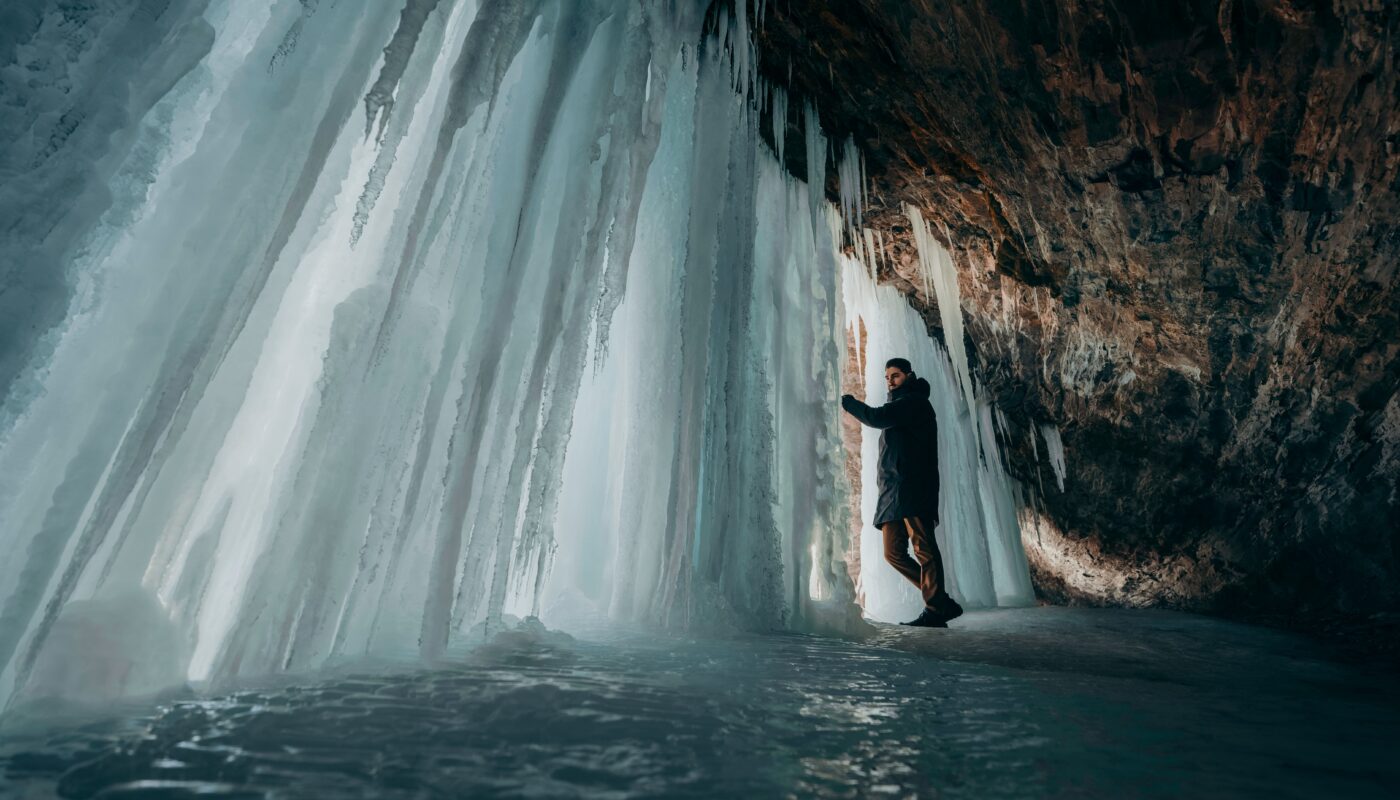
by Few natural wonders capture the imagination quite like ice caves. These amazing formations provide visitors a glimpse into a world of sparkling blue ice, complex frozen tunnels, and ever-changing geological beauty. They can be found hidden beneath glaciers, tucked into frozen landscapes, or sculpted by flowing meltwater.For many travelers, stepping inside an ice cave feels like entering another planet—a place where sunlight filters through translucent ice walls, creating dazzling shades of blue, white, and turquoise.
Ice caves attract adventurers, photographers, scientists, and nature enthusiasts from around the world. Popular destinations include the glaciers of Iceland, Alaska, Canada, Norway, and New Zealand. Despite their beauty, however, ice caves are dynamic environments that require respect, proper planning, and careful safety considerations.
Understanding how ice caves form, why they change so rapidly, and how to explore them responsibly can help visitors appreciate these extraordinary natural features while minimizing risks.
What Is an Ice Cave?
An ice cave is a natural cavity formed within or beneath a glacier or permanent body of ice. Unlike ordinary caves that develop in rock, ice caves exist within frozen environments and are composed primarily of ice.
These caves often feature:
- Ice tunnels
- Frozen chambers
- Meltwater passages
- Ice arches
- Transparent walls
- Blue ice formations
Because glaciers are constantly moving and melting, ice caves are temporary features. Some may last only a season, while others can persist for several years before collapsing or changing shape.
This constant evolution makes every visit unique.
Ice Caves vs. Glacier Caves
The terms “ice cave” and “glacier cave” are often used interchangeably, but there is a subtle distinction.
Ice Caves
Technically, an ice cave can refer to any cave containing significant ice deposits year-round.
These may occur in:
- Mountain caves
- Limestone caves
- Lava tubes
Glacier Caves
Glacier caves specifically form within glaciers or beneath glacial ice.
Most of the famous blue ice caves visited by tourists are glacier caves.
For simplicity, many travelers and tour operators use the term “ice cave” to describe glacier caves.
How Ice Caves Form
The formation of ice caves is a fascinating interaction between ice, water, temperature, and gravity.
Meltwater Erosion
The most common mechanism involves meltwater.
During warmer periods:
- Surface ice melts
- Water flows into cracks
- Streams develop beneath glaciers
- Water erodes channels through the ice
Over time, these channels expand into tunnels and chambers.
As water continues flowing, increasingly complex cave systems can develop.
Seasonal Changes
Ice cave formation often follows seasonal cycles.
During summer:
- Increased melting creates larger water flows
- New tunnels form
- Existing caves expand
During winter:
- Water flow decreases
- Cave walls may stabilize
- Conditions often become safer for exploration
This is why many guided ice cave tours operate primarily during colder months.
Geothermal Activity
In certain regions, geothermal heat contributes to ice cave formation.
For example, in Iceland, volcanic heat beneath glaciers can accelerate melting and create unusual cave systems.
This interaction between fire and ice produces some of the world’s most spectacular ice caves.
Why Ice Appears Blue
One of the most striking features of many ice caves is their brilliant blue color.
Visitors are often amazed by glowing shades of sapphire and turquoise.


7
The color occurs because dense glacial ice absorbs longer wavelengths of light, particularly reds and yellows.
Blue wavelengths penetrate deeper and are reflected back to the observer.
The denser and purer the ice, the more vivid the blue coloration becomes.
This optical effect creates the magical appearance that makes ice caves so famous.
Where Are the World’s Most Famous Ice Caves?
Ice caves occur in glacier regions across the globe.
Iceland
Perhaps the most famous ice caves are found within glaciers such as:
- Vatnajökull
- Mýrdalsjökull
Iceland’s ice caves attract thousands of visitors each year due to their accessibility and dramatic appearance.
Alaska
Numerous glaciers in Alaska contain seasonal ice caves.
Popular glacier areas include:
- Mendenhall Glacier
- Exit Glacier
These caves offer spectacular views but often require significant caution.
Norway
Norway’s glacier systems occasionally produce accessible ice caves, particularly near major glaciers such as:
- Jostedalsbreen
New Zealand
Glaciers on New Zealand’s South Island sometimes contain temporary ice caves created by meltwater activity.
Canada
The Canadian Rockies and coastal mountain ranges host glaciers capable of forming impressive cave systems.
Why Ice Caves Change Constantly
Unlike rock caves, ice caves are highly dynamic.
Several factors contribute to ongoing changes:
Glacier Movement
Glaciers slowly flow downhill under their own weight.
This movement alters cave structures over time.
Melting
Temperature fluctuations continuously reshape cave walls and ceilings.
Water Flow
Meltwater can expand already-existing tunnels or carve new ones.
Freezing
Cold periods may strengthen certain sections while creating new ice formations.
As a result, an ice cave visited one year may look completely different the next.
The Science Behind Ice Cave Stability
The stability of an ice cave depends on multiple interacting factors.
These include:
- Air temperature
- Ice thickness
- Water flow rates
- Structural stresses
- Seasonal weather patterns
Cold winter temperatures generally improve stability.
Warm weather can rapidly weaken cave structures.
Because conditions can change unexpectedly, professional monitoring is often essential for safe tourism operations.
Wildlife and Ice Caves
Although ice caves appear inhospitable, some wildlife interacts with glacial environments.
Animals occasionally found near glaciers include:
- Mountain goats
- Arctic foxes
- Seabirds
- Ravens
- Small mammals
Certain microorganisms also inhabit glacial environments.
Scientists have discovered bacteria and algae adapted to extreme cold conditions.
These organisms provide insights into life in harsh environments and may even inform research related to extraterrestrial habitats.
Why Ice Caves Attract Photographers
Ice caves offer extraordinary photographic opportunities.
Popular photographic subjects include:
- Blue ice walls
- Ice textures
- Frozen arches
- Meltwater reflections
- Sunlight filtering through ice


7
Because lighting conditions constantly change, photographers often find each visit unique.
The combination of color, texture, and natural geometry creates stunning visual compositions.
Are Ice Caves Dangerous?
Despite their beauty, ice caves can present significant hazards.
Potential dangers include:
Collapse
Ice ceilings and walls can fail unexpectedly.
Falling Ice
Chunks of ice may break free without warning.
Flooding
Sudden increases in meltwater can rapidly alter cave conditions.
Slippery Surfaces
Ice-covered floors increase the risk of falls.
Hidden Crevasses
Nearby glacier areas may contain concealed cracks in the ice.
These risks explain why independent exploration is generally discouraged.
Why Guided Tours Are Important
Professional guides play a critical role in ice cave safety.
Experienced guides:
- Monitor cave conditions
- Assess structural stability
- Identify hazards
- Select safe routes
- Provide safety equipment
Guided tours significantly reduce risk while enhancing educational value.
Most reputable operators inspect caves regularly and adjust access according to changing conditions.
Essential Safety Equipment
Visitors should use appropriate gear when exploring ice caves.
Common equipment includes:
Helmet
Protects against falling ice and accidental impacts.
Crampons
Metal spikes attached to footwear improve traction on ice.
Waterproof Clothing
Conditions inside ice caves are often cold and damp.
Gloves
Protect hands from cold surfaces.
Headlamp
Useful in darker sections of caves.
Proper Footwear
Insulated, waterproof boots provide stability and comfort.
Many guided tours provide specialized equipment as part of the experience.
Best Time to Visit Ice Caves
Timing is critical for both safety and experience quality.
Winter
Winter is often considered the best season.
Advantages include:
- Greater structural stability
- Lower meltwater flow
- Enhanced blue ice visibility
- Safer conditions
Summer
Summer conditions vary.
Higher temperatures can increase:
- Melting
- Water flow
- Structural instability
Some caves become inaccessible during warmer months.
Always check local guidance before planning a visit.
How Climate Change Affects Ice Caves
Climate change is influencing glaciers worldwide.
Many glacier systems are experiencing:
- Increased melting
- Reduced ice thickness
- Glacier retreat
- Changing cave formation patterns
These changes affect ice cave availability and stability.
Some caves may disappear entirely as glaciers shrink.
Others may form more frequently due to increased meltwater activity but remain less stable.
Scientists continue studying these trends to better understand future impacts.
Responsible Ice Cave Tourism
Sustainable tourism helps protect fragile glacier environments.
Visitors should:
- Stay on designated routes
- Follow guide instructions
- Avoid damaging ice formations
- Leave no litter
- Respect local regulations
Responsible behavior helps preserve these remarkable places for future generations.
Preparing for an Ice Cave Adventure
Before visiting an ice cave:
Research Operators
Choose experienced, reputable guides.
Check Weather Conditions
Weather influences both safety and accessibility.
Dress Appropriately
Layered clothing is essential.
Understand Physical Requirements
Some tours involve hiking over uneven terrain.
Carry Essential Supplies
Water, snacks, and extra layers may be helpful.
Preparation contributes significantly to both safety and enjoyment.
The Future of Ice Cave Exploration
Advances in technology are improving our understanding of ice caves.
Researchers increasingly use:
- Drones
- 3D mapping
- Ground-penetrating radar
- Satellite monitoring
These tools help scientists study cave formation, glacier dynamics, and environmental change.
Tourism operators also benefit from improved monitoring techniques that enhance visitor safety.
As glaciers continue evolving, ice caves will remain valuable natural laboratories for understanding Earth’s changing cryosphere.
Conclusion
Ice caves are among the most spectacular and fascinating natural formations on Earth. Created through the complex interaction of ice, water, temperature, and time, they offer visitors a rare opportunity to explore the hidden interior of glaciers. Their glowing blue walls, intricate tunnels, and ever-changing structures create experiences unlike any other natural attraction.
Yet their beauty is matched by their fragility. Ice caves are dynamic environments that constantly evolve as glaciers move, melt, and reshape themselves. This ongoing transformation makes each cave unique but also introduces risks that require careful management and respect.
For travelers, the safest and most rewarding approach is to explore ice caves with qualified guides, proper equipment, and a solid understanding of local conditions. By doing so, visitors can safely witness one of nature’s most extraordinary creations while gaining a deeper appreciation for the glaciers that sustain them.
As climate change continues to influence glacier systems worldwide, ice caves also serve as powerful reminders of the delicate balance between natural processes and environmental change. Their beauty, mystery, and scientific importance ensure that they will remain among the world’s most captivating natural wonders for years to come.