 by
by Visiting a glacier is one of the most unforgettable experiences in nature. Massive rivers of ice, deep blue crevasses, and dramatic mountain landscapes create an environment that feels both powerful and fragile. However, glaciers are also cold, unpredictable places where weather conditions can change quickly. Wearing the appropriate clothes is crucial for both security and comfort.
Whether you are walking on a glacier during summer, exploring an icy valley in winter, or taking a guided tour at famous destinations like Vatnajökull Glacier or Aletsch Glacier, proper clothing will make a major difference in your experience. Glacier environments combine low temperatures, strong winds, intense sunlight, and slippery ice surfaces, which means ordinary outdoor clothing may not be enough.
This guide explains what to wear when visiting a glacier in any season, including essential clothing layers, footwear, and accessories that help protect you in extreme conditions.
Understanding Glacier Weather
Before choosing clothing, it is important to understand the conditions you may face on a glacier. Glaciers often create their own microclimates, which means the weather can feel colder and windier than nearby areas.
Several factors influence glacier conditions:
- Cold air trapped above ice surfaces
- Strong winds moving down mountain slopes
- Reflected sunlight from snow and ice
- Rapid temperature changes
For example, temperatures on glaciers like Vatnajökull Glacier can feel significantly colder than the surrounding lowlands, even in summer.
Because of these factors, dressing in layers is the best strategy for glacier travel.
The Layering System: The Key to Glacier Clothing
Outdoor experts recommend a three-layer clothing system when visiting glaciers. Each layer serves a different purpose and allows you to adjust to changing weather conditions.
Base Layer: Moisture Management
The base layer sits directly against your skin and is responsible for managing moisture. Even in cold conditions, your body produces sweat during activities like hiking or climbing.
A good base layer should:
- Wick moisture away from the skin
- Dry quickly
- Provide light insulation
Materials such as merino wool or synthetic fabrics work best. Cotton should be avoided because it absorbs moisture and stays wet, which can make you feel colder.
Long-sleeved base layers and thermal leggings are particularly useful when visiting glaciers like Aletsch Glacier where temperatures can remain low year-round.
Mid Layer: Insulation
The mid layer provides insulation by trapping body heat. This layer is essential for maintaining warmth in cold glacier environments.
Common mid-layer options include:
- Fleece jackets
- Down jackets
- Synthetic insulated jackets
Fleece is popular because it is lightweight and breathable. Down jackets offer excellent warmth but may lose insulation if they become wet.
Depending on the temperature and your activity level, you may choose one or two mid layers.
Outer Layer: Weather Protection
The outer layer protects you from wind, snow, and rain. On glaciers, strong winds can make temperatures feel much colder than they actually are.
A good outer layer should be:
- Waterproof
- Windproof
- Breathable
Hardshell jackets are commonly used for glacier environments because they block wind while allowing moisture from sweat to escape.
Waterproof pants are also helpful, especially when kneeling on ice or walking through slushy snow.
Glacier Footwear: Stability and Warmth
Proper footwear is one of the most important aspects of glacier clothing. Walking on ice requires good traction and ankle support.
The ideal glacier boots should have:
- Waterproof construction
- Strong ankle support
- Thick insulation
- Durable soles
Many glacier tours require participants to wear mountaineering or hiking boots compatible with crampons. Crampons are metal spikes attached to boots that provide grip on ice.
If you are visiting glaciers like Perito Moreno Glacier on guided ice walks, the tour company will usually provide crampons but expects you to bring appropriate boots.
Gloves and Hand Protection
Hands lose heat quickly in cold environments, so gloves are essential when visiting glaciers.
A layered glove system works best:
- Inner liner gloves for basic warmth
- Insulated outer gloves for wind and snow protection
Waterproof gloves are especially important when touching ice, snow, or equipment.
In colder climates, insulated ski gloves or mountaineering gloves provide the best protection.
Hats and Head Protection
Up to ten percent of body heat can escape through your head, making hats an important part of glacier clothing.
Warm headwear options include:
- Wool beanies
- Fleece hats
- Insulated caps
Some hikers also bring lightweight neck gaiters or buffs to protect the face from wind and cold air.
In extremely sunny glacier environments, a hat with a brim can provide additional protection from glare.
Sunglasses and Eye Protection
Glaciers reflect a large amount of sunlight, which can create intense glare. Without proper eye protection, visitors may experience snow blindness—a painful condition caused by UV exposure.
High-quality sunglasses with UV protection are essential.
Features to look for include:
- Polarized lenses
- Side shields to block reflected light
- Wraparound frames for better coverage
Eye protection is particularly important on glaciers like Aletsch Glacier where bright sunlight reflects strongly off snow and ice.
What to Wear in Summer on a Glacier
Many people assume glaciers are warm in summer, but temperatures can still be cold due to wind and ice surfaces.
A typical summer glacier outfit may include:
- Lightweight base layer
- Fleece or light insulated jacket
- Waterproof outer shell
- Hiking pants
- Waterproof boots
- Gloves and hat
Even in July or August, strong winds on glaciers such as Vatnajökull Glacier can make conditions feel close to freezing.
What to Wear in Winter on a Glacier
Winter glacier visits require heavier insulation and more protection from cold weather.
Recommended winter clothing includes:
- Thermal base layers
- Thick fleece or down jacket
- Insulated waterproof jacket
- Snow pants or insulated hiking pants
- Warm gloves and hats
- Insulated waterproof boots
Because daylight hours are shorter, reflective clothing or headlamps may also be useful.
Additional Accessories for Glacier Visits
Beyond clothing, several accessories can make glacier trips safer and more comfortable.
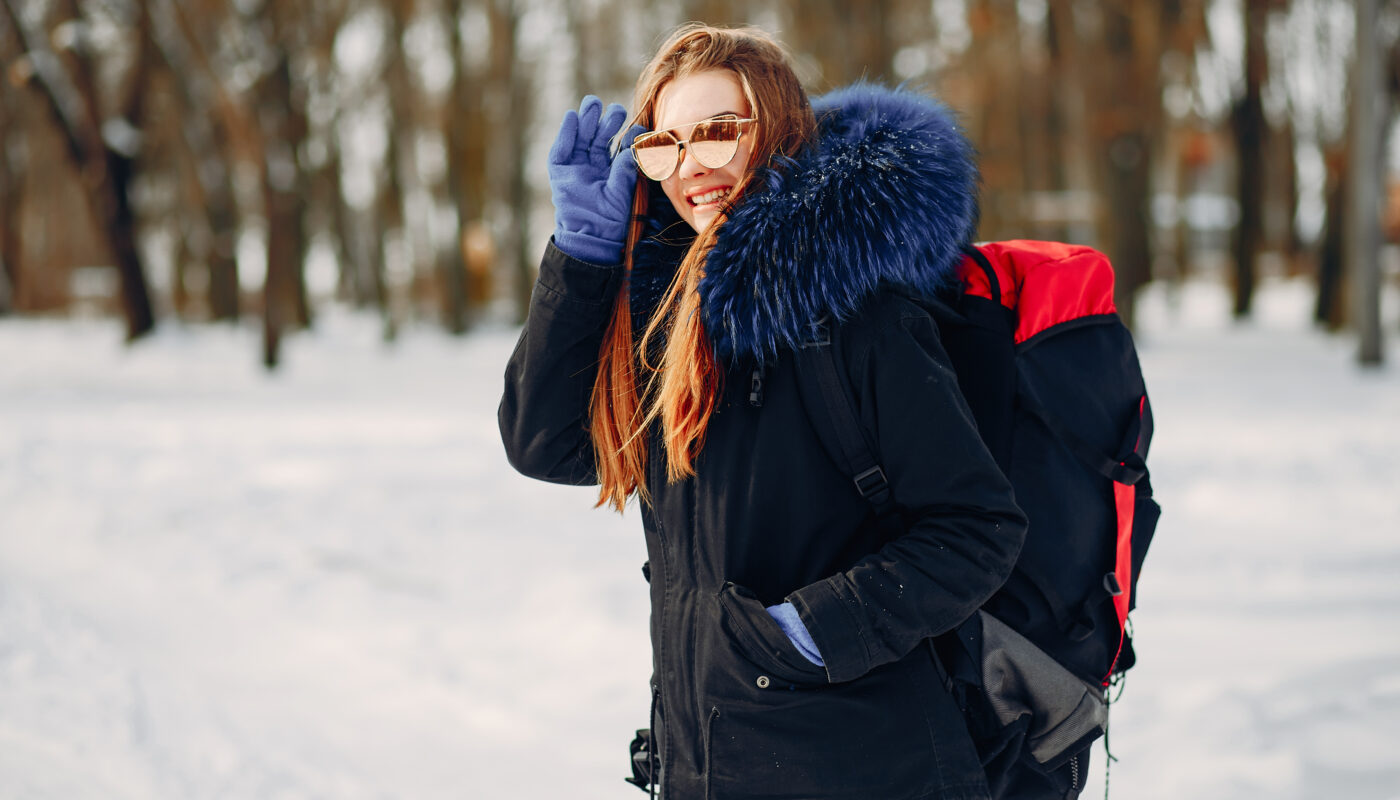
Backpack
A small backpack allows you to carry extra layers, water, snacks, and safety equipment.
Sunscreen
Even in cold conditions, UV exposure on glaciers can be intense due to reflection from snow.
Gaiters
Gaiters cover the gap between boots and pants, preventing snow and ice from entering footwear.
Trekking Poles
Poles improve balance when walking on uneven or icy terrain.
Safety Considerations
Glaciers are dynamic landscapes that can contain crevasses, slippery ice, and unpredictable weather. Wearing appropriate clothing is only part of staying safe.
Many visitors explore glaciers through guided tours where professional guides provide safety equipment and instructions.
Guides often monitor conditions closely and adjust routes based on weather and ice stability.
Preparing for Changing Conditions
One of the biggest challenges of glacier travel is rapid weather changes. Clear skies can quickly turn into wind, snow, or rain.
Because of this, it is important to bring extra layers and be prepared to adapt your clothing throughout the day.
Even experienced mountaineers follow the layering system to maintain flexibility in changing environments.
Conclusion
Glacier visits offer extraordinary opportunities to experience some of the most dramatic landscapes on Earth. From the vast ice fields of Vatnajökull Glacier to the immense frozen river of Aletsch Glacier, these icy environments reveal the power and beauty of nature.
However, glaciers demand respect and preparation. Wearing the right clothing—including moisture-wicking base layers, insulating mid layers, and protective outer shells—helps ensure comfort and safety in challenging conditions.
Proper footwear, gloves, hats, and sunglasses also play essential roles in protecting against cold temperatures, strong winds, and intense sunlight.
With the right clothing and preparation, visitors can safely explore glaciers in any season while fully enjoying the incredible scenery these frozen landscapes provide.