 by
by Glaciers are among Earth’s most spectacular natural wonders. These massive rivers of ice have shaped mountains, carved valleys, and influenced global climate for millions of years. While there are several different kinds of glaciers, one type is especially widespread and familiar to scientists and travelers alike: the valley glacier.
From the towering peaks of the Himalayas to the rugged mountains of Alaska and the European Alps, valley glaciers are found in mountain ranges around the world. They are responsible for creating many of the landscapes we admire today, including dramatic U-shaped valleys, fjords, and crystal-clear alpine lakes.
But what exactly is a valley glacier, how does it form, and why is it considered the most common type of glacier? Understanding these frozen rivers offers fascinating insights into Earth’s geology, climate, and changing environment.
What Is a Valley Glacier?
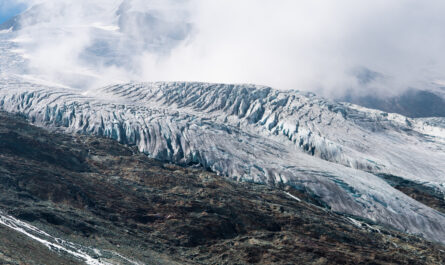
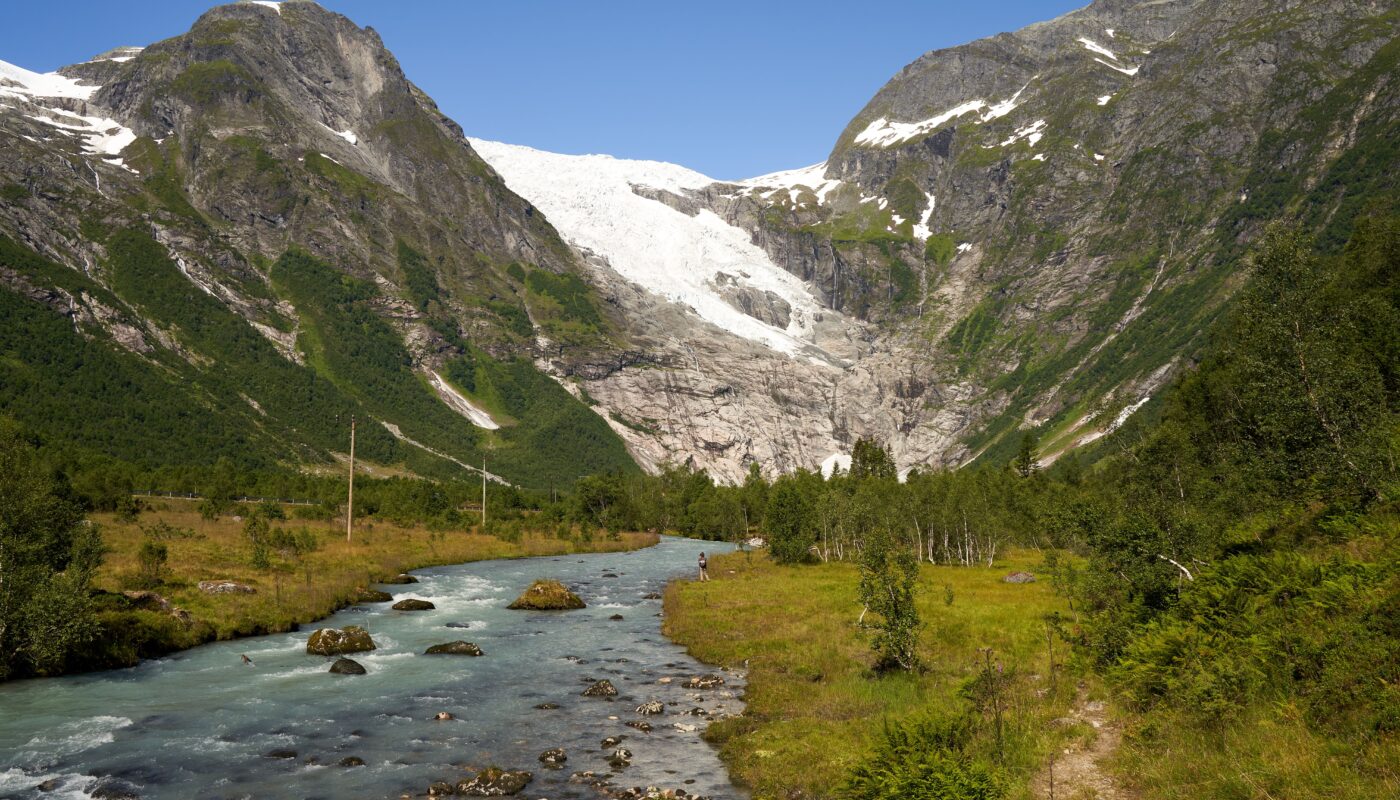
A valley glacier is a long, narrow body of ice that forms in mountainous regions and flows downhill through pre-existing valleys. Unlike enormous ice sheets that cover entire continents, valley glaciers are confined by the surrounding terrain.
In simple terms, a valley glacier behaves much like a river, except that it consists of ice rather than liquid water.
The glacier slowly moves downslope under its own weight, following the contours of the mountain valley. Over time, this movement allows the glacier to erode and reshape the landscape.
Because valley glaciers occur in mountain regions across every continent except Australia, they are considered the most common and widely distributed type of glacier on Earth.
How Valley Glaciers Form
The formation of a valley glacier is a gradual process that can take hundreds or even thousands of years.
Step 1: Snow Accumulation
Everything begins with snowfall.
In high mountain regions, snowfall during winter exceeds the amount of snow that melts during summer. Over time, layers of snow accumulate year after year.
Step 2: Compression
As additional snow falls, the lower layers become compressed.
The snow gradually transforms into a granular material called firn, which resembles compacted snow.
Step 3: Ice Formation
Continued pressure eventually converts the firn into dense glacial ice.
The ice becomes thick enough to begin flowing under gravity.
Step 4: Glacier Movement
Once sufficient ice accumulates, the glacier slowly starts moving downhill through the mountain valley.
This movement may seem insignificant, but over long periods it can dramatically reshape entire landscapes.
Why Are Valley Glaciers So Common?
Due of their relatively simple formation requirements, valley glaciers can be found in a wide variety of mountain environments:
- High elevations
- Sufficient snowfall
- Temperatures cold enough to preserve snow year-round
These conditions exist in numerous mountain ranges worldwide.
Examples include:
- The Himalayas
- The Andes
- The Alps
- The Rockies
- Alaska’s coastal mountains
- New Zealand’s Southern Alps
- The Scandinavian Mountains
Because mountains exist on every continent except Antarctica and Australia, valley glaciers are widely distributed across the globe.
The Structure of a Valley Glacier
Although valley glaciers may appear to be solid blocks of ice, they contain several distinct zones.
Accumulation Zone
This is the upper portion of the glacier where snowfall exceeds melting.
The glacier gains mass in this area.
Ablation Zone
The lower portion experiences more melting than snowfall.
Ice is lost through:
- Surface melting
- Evaporation
- Calving
- Sublimation
Equilibrium Line
The zones of accumulation and ablation are divided by the equilibrium line.
At this elevation, annual snowfall and annual melting are approximately equal.
Scientists carefully monitor this line because it provides valuable information about climate conditions.
How Valley Glaciers Move
One of the most fascinating aspects of valley glaciers is that they move despite appearing completely solid.
Internal Deformation
Ice behaves like a very slow-moving fluid.
Under immense pressure, ice crystals deform and gradually slide past one another.
Basal Sliding
Sometimes meltwater forms beneath the glacier, acting as a lubricant.
This allows the glacier to slide over bedrock.
Speed of Movement
Most valley glaciers move slowly.
Typical speeds range from:
- A few centimeters per day
- Several meters per year
- Occasionally several meters per day for fast-moving glaciers
Although this movement is difficult to observe directly, it plays a major role in shaping landscapes.
Valley Glaciers as Landscape Sculptors
Valley glaciers are powerful agents of erosion.
As they move, they scrape, grind, and transport enormous amounts of rock and sediment.
Over thousands of years, they create some of Earth’s most dramatic landforms.
Formation of U-Shaped Valleys
Before glaciation, mountain valleys are often shaped by rivers and have a narrow V-shaped profile.
As a valley glacier moves through the landscape, it widens and deepens the valley.
The result is the classic U-shaped valley characterized by:
- Steep sides
- Broad floors
- Flat bottoms
Many famous mountain valleys owe their appearance to ancient valley glaciers.
Creation of Fjords
Some valley glaciers extend all the way to the sea.
When these glaciers retreat, seawater floods the deep valleys they carved.
The result is a fjord.
Many of the world’s most spectacular fjords were created by former valley glaciers.
Examples include:
- The fjords of Norway
- New Zealand’s Fiordland
- Alaska’s coastal inlets
- Greenland’s massive fjord systems
- Chilean Patagonia
These famous sceneries would not be possible without valley glaciers.
Moraines: The Debris Left Behind
As glaciers move, they transport rock and sediment known as glacial till.
This material accumulates in ridges called moraines.
Types of Moraines
Lateral Moraines: Found along glacier sides.
Medial Moraines: Form when two glaciers merge.
Terminal Moraines: Mark the furthest advance of a glacier.
Ground Moraines: Deposited beneath retreating glaciers.
Moraines provide scientists with valuable evidence of past glacier activity.
Famous Valley Glaciers Around the World


4
Aletsch Glacier
Located in Switzerland, this is the largest glacier in the Alps and one of Europe’s most famous valley glaciers.
Franz Josef Glacier
This glacier descends unusually close to sea level and attracts visitors from around the world.
Athabasca Glacier
Part of the Columbia Icefield, this glacier is one of North America’s most accessible valley glaciers.
Baltoro Glacier
One of the world’s longest valley glaciers outside the polar regions, it lies within the Karakoram Mountains.
Why Valley Glaciers Matter
Valley glaciers are far more than scenic attractions.
They perform several important functions.
Freshwater Storage
Glaciers store vast amounts of freshwater.
During warmer months, meltwater supplies rivers that support:
- Agriculture
- Drinking water
- Hydroelectric power
- Ecosystems
Millions of people depend on glacier-fed rivers.
Climate Indicators
Valley glaciers are extremely sensitive to changes in temperature and precipitation.
Their growth or retreat provides valuable information about climate trends.
Scientists often describe glaciers as “natural thermometers” of climate change.
Tourism and Recreation
Many mountain communities rely on glaciers for tourism.
Popular activities include:
- Hiking
- Ice climbing
- Photography
- Skiing
- Glacier tours
Glacier tourism contributes significantly to local economies.
Valley Glaciers and Climate Change
One of the biggest challenges facing valley glaciers today is rapid warming.
Accelerated Retreat
Many glaciers worldwide are shrinking faster than ever before.
Rising temperatures have increased melting rates in numerous mountain regions.
Consequences of Glacier Loss
The retreat of valley glaciers may lead to:
- Reduced freshwater supplies
- Changes in river systems
- Increased flood risks
- Loss of tourism opportunities
- Rising sea levels
Some small glaciers may disappear entirely during this century.
Glacier Hazards
Although beautiful, valley glaciers can also create hazards.
Glacial Lake Outburst Floods
As glaciers retreat, meltwater lakes often form.
If natural dams fail, enormous floods can occur suddenly.
Ice Avalanches
Large blocks of ice may break away unexpectedly.
Landslides
The disappearance of glacial ice can destabilize mountain slopes.
Understanding glacier behavior helps communities manage these risks.
How Scientists Study Valley Glaciers
Modern researchers use numerous techniques to monitor glaciers.
Satellite Imagery
Satellites track:
- Glacier size
- Ice movement
- Snow cover
- Surface elevation
GPS Measurements
Scientists install instruments directly on glaciers to measure movement.
Drones
Drones provide detailed images and maps of glacier surfaces.
Ice Core Studies
Ice cores reveal information about:
- Past climates
- Atmospheric conditions
- Historical snowfall patterns
These methods improve our understanding of glacier dynamics and future changes.
The Future of Valley Glaciers
The future of many valley glaciers remains uncertain.
Climate projections suggest that many glaciers will continue shrinking throughout the twenty-first century.
However, the rate of loss varies significantly depending on:
- Elevation
- Regional climate
- Snowfall patterns
- Glacier size
Some glaciers may survive for centuries, while others may disappear within decades.
Protecting mountain environments and reducing greenhouse gas emissions may help slow future losses.
Why Valley Glaciers Continue to Fascinate Us
Few natural features combine beauty, power, and scientific importance as effectively as valley glaciers.
They are:
- Ancient reservoirs of freshwater
- Sculptors of landscapes
- Indicators of climate change
- Sources of life-giving rivers
- Windows into Earth’s geological history
Their slow movement reminds us that even seemingly permanent landscapes are constantly changing.
Conclusion
A valley glacier is a long, narrow river of ice that flows through mountain valleys under the influence of gravity. As the most common type of glacier on Earth, valley glaciers are found in mountain ranges across the globe and have played a crucial role in shaping many of the landscapes we admire today.
From carving spectacular U-shaped valleys and fjords to supplying freshwater for millions of people, these glaciers are among the planet’s most important natural systems. Their behavior provides valuable clues about climate change and the future of water resources worldwide.
As global temperatures continue to rise, valley glaciers are becoming powerful symbols of environmental change. Understanding how they form, move, and influence our world is more important than ever. These magnificent rivers of ice are not only remnants of Earth’s icy past but also key indicators of the challenges and transformations that lie ahead.