 by
by I first saw the glaciers of the Himalayas from a rickety bus winding up narrow mountain roads. Massive white ridges stretched across jagged peaks, and streams of icy water cascaded down into the valleys below. At first, it felt like a sight for adventure travelers — breathtaking but remote. Yet I quickly learned that millions of people living in these valleys, and many millions more far downstream, depend on this meltwater for survival.
Glaciers may seem eternal, but they are more than frozen mountains; they are the lifeblood of rivers, the source of drinking water, the hidden reservoirs that feed agriculture, generate electricity, and sustain ecosystems. Understanding how many people rely on glacier meltwater is not just a hydrological question — it is a story about human resilience, vulnerability, and the silent effects of climate change.
Glaciers: Nature’s Water Towers
Mountains with glaciers are often called the world’s water towers, and for good reason. Unlike rainfall, which can be unpredictable, glaciers store water in ice and release it gradually. In dry summers, when rivers fed by rain shrink, glacier melt sustains flow. This steady contribution supports everything from household taps to irrigation canals stretching hundreds of kilometers.
Regions where glaciers play a critical role include:
- The Himalayas and Tibetan Plateau, feeding rivers like the Indus, Ganges, and Brahmaputra.
- The Andes, supplying rivers that irrigate highland and lowland farms.
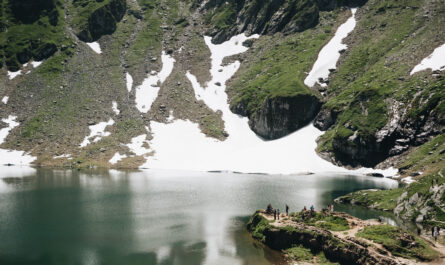
- The Alps and Pyrenees, sustaining European communities and hydroelectric systems.
- North American ranges such as the Rockies, where glacier-fed streams support both towns and wilderness ecosystems.
In each of these regions, glaciers act as buffers, holding snow and ice in winter, then melting slowly during summer when water demand is highest.
How Many People Live in Glacier-Fed Basins?
Global estimates suggest that about 2 billion people live in river basins that originate in glaciated mountain ranges. This includes people who may not rely directly on glacier melt for every liter of water they use, but who live downstream where glacier-fed rivers contribute to overall water availability.
Of these:
- Hundreds of millions rely on glacier melt seasonally. For example, studies in the Himalayas indicate that approximately 800 million people partially depend on glacier meltwater, especially during dry months when rainfall is insufficient.
- 129 million farmers in South Asia cultivate crops using irrigation that depends, at least in part, on Himalayan glacier melt. (UU.nl, 2020)
The Andes provide a similar story, where tens of millions of people draw water from glacier-fed rivers for agriculture, drinking, and hydropower. Even smaller glacier systems in Europe and North America support communities that would struggle without these natural reservoirs.
Why Glacier Melt Matters for Daily Life
Glacier melt is more than a convenience; in many places, it is essential. Consider these examples:
Agriculture
In the Indus Basin, farmers rely on meltwater to irrigate wheat, rice, and maize. Without it, crops could fail during late summer months when rainfall is low. In the Andes, meltwater supports highland potatoes and maize, feeding local populations and regional markets.
Hydropower
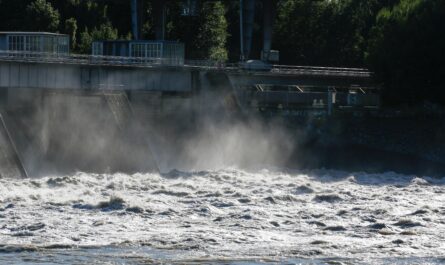
In Norway, Switzerland, and parts of South America, hydroelectric plants harness river flow boosted by glacier runoff. Seasonal melt ensures rivers do not dry up, maintaining electricity production when it is most needed.
Ecosystems
Glacier-fed streams sustain fish, wetlands, and birds. Reduced meltwater affects biodiversity downstream, showing that human dependence is intertwined with ecological stability.
Seasonal and Regional Variations
Not everyone in glacier-fed basins depends on ice equally. Seasonal melt provides a natural buffer in dry months, but its importance varies:
- High Mountain Asia: Glacier melt contributes significantly to river flows in summer. Dry-season water for millions in northern India, Pakistan, and Bangladesh relies on this source.
- Andes: Glacier melt buffers dry-season water supply for cities and farms in Peru, Chile, and Bolivia.
- Europe: Alpine glaciers are smaller but important for summer river flow and hydropower reliability.
- North America: Rockies and Cascades see localized dependence, mainly for mountain communities and protected ecosystems.
The Threat of Climate Change
Glaciers are shrinking rapidly worldwide. Rising temperatures mean:
- Short-term: increased meltwater can lead to floods and glacial lake outburst risks.
- Long-term: reduced ice reserves will decrease river flow in dry months, threatening water security for hundreds of millions of people.
In the Himalayas, melting glaciers could disrupt irrigation for tens of millions of farmers, leading to crop losses, food insecurity, and regional water stress. In the Andes, shrinking glaciers threaten both drinking water and hydropower generation. Even communities in Europe may face seasonal water shortages if small glaciers vanish entirely.
Human Stories Behind the Numbers
Walking along a small Himalayan village irrigation canal, I saw children collecting water from a glacial stream. Farmers guided their oxen along terraces irrigated by meltwater channels. Each household I passed depended on these glaciers for survival, and every conversation hinted at growing uncertainty about climate impacts.
Thousands of kilometers away, Andean villagers adjust planting schedules based on stream flow, aware that glacial recession alters timing and quantity of water. The human connection to glaciers is intimate, daily, and vital — even if invisible on global maps.
Planning for a Future Without Reliable Glacier Melt
Communities and governments are beginning to take action:
- Improved water storage: Building reservoirs and small-scale retention systems to buffer seasonal shortages.
- Agricultural adaptation: Using drought-resistant crops and more efficient irrigation techniques.
- Hydropower planning: Accounting for long-term glacier decline in energy projections.
- International cooperation: Many glacier-fed rivers cross borders, requiring shared water management strategies.
Even with adaptation, however, the scale of glacier dependence makes it clear that climate change poses a systemic risk to billions of people.
Conclusion
Glaciers may appear distant, frozen, and untouchable, yet they underpin the daily lives of hundreds of millions directly, and billions indirectly. From Himalayan rice paddies to Andean potato fields, Alpine rivers, and Rocky Mountain streams, meltwater is essential for drinking, farming, energy, and ecosystems.
The silent retreat of glaciers is not only an environmental issue — it is a human issue, affecting livelihoods, food security, and regional stability. Recognizing the scale of dependence on glacier meltwater is the first step toward safeguarding water for future generations, ensuring that these frozen giants continue to sustain life long after the current generation has passed.