 by
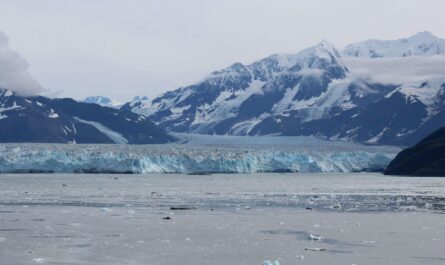
by Glaciers are often seen as barren, icy landscapes — vast fields of snow and ice stretching as far as the eye can see. Yet, despite the harsh conditions, life thrives in the shadows of these frozen giants. From the towering ice cliffs of Alaska to the remote valleys of the Himalayas, animals have adapted to survive near glaciers, developing unique physical traits and behaviors that allow them to cope with freezing temperatures, scarce food sources, and rugged terrain. Understanding which animals live near glaciers gives us a glimpse into some of the planet’s most resilient ecosystems.
This guide explores the diverse fauna that inhabit glacier regions worldwide, their adaptations, and the intricate ecosystems that connect life to ice.
Life on the Edge: Glacier Ecosystems
Glaciers may seem lifeless, but the ecosystems surrounding them are dynamic and diverse. Life exists both on the ice and in the immediate glacial surroundings, including moraines, glacial lakes, and tundra regions at glacier edges.
Key characteristics of glacier ecosystems:
- Cold temperatures: Often below freezing for most of the year.
- Limited vegetation: Only hardy mosses, lichens, and algae can survive on or near ice.
- Seasonal changes: Summer melts create streams and pools, providing water for aquatic and terrestrial species.
- Extreme terrain: Steep ice cliffs, crevasses, and rocky moraines require special adaptations for mobility.
Despite these challenges, glacier ecosystems host a remarkable diversity of life, from microscopic organisms to apex predators.
Mammals Near Glaciers
Several mammals thrive in glacier regions, particularly in Arctic, Antarctic, and alpine environments. Their survival often depends on physical adaptations such as thick fur, fat insulation, and specialized behaviors.
1. Mountain Goats and Sheep
- Regions: North America (Rockies), European Alps, Himalayas.
- Adaptations: Hooves with rough pads for traction on ice and rocky terrain; thick fur for insulation.
- Behavior: Grazing on alpine plants near glacier moraines; climbing steep cliffs to avoid predators.
2. Arctic Foxes
- Regions: Arctic regions of Greenland, Svalbard, and northern Canada.
- Adaptations: Dense, multi-layered fur that changes color with the seasons (white in winter, brown in summer).
- Diet: Opportunistic feeders — they hunt birds, scavenge carcasses, and may even feed on small mammals near glaciers.
3. Pikas and Marmots
- Regions: High-altitude glaciers in Asia and North America.
- Adaptations: Small mammals that store food in rock crevices and survive winter under snow insulation.
- Role: Contribute to the ecosystem as prey for predators and as herbivores affecting alpine vegetation.
4. Bears
- Regions: Alaska, Canada, and parts of Norway (brown bears and polar bears near glaciers).
- Adaptations: Thick blubber and fur to withstand freezing temperatures; powerful limbs for navigating ice.
- Behavior: Polar bears rely on sea ice near glaciers to hunt seals, while brown bears may feed on salmon in glacier-fed rivers.
Birds in Glacier Regions
Birds are particularly adept at exploiting the seasonal and open spaces around glaciers, where fewer predators compete for limited food.
1. Snow Petrels and Other Antarctic Birds
- Regions: Antarctic glacier coasts.
- Adaptations: Pure white feathers for camouflage against ice; ability to withstand extreme cold.
- Diet: Fish, krill, and small marine organisms.
2. Alpine Choughs
- Regions: European Alps, Himalayas.
- Adaptations: Strong wings for gliding over mountain cliffs; keen eyesight for spotting insects and seeds among rocks.
- Behavior: Nesting in rocky cliff crevices near glaciers, scavenging in human and natural settlements.
3. Gulls and Kittiwakes
- Regions: Arctic glaciers and glacial fjords.
- Diet: Fish and crustaceans from glacial meltwater streams or nearby oceans.
- Behavior: Often migrate seasonally, exploiting rich summer feeding grounds near glaciers.
Fish and Aquatic Life
Glacial rivers, streams, and lakes support unique aquatic ecosystems. Cold meltwater is oxygen-rich but nutrient-poor, and species must adapt to low temperatures and strong currents.
1. Salmon and Trout
- Regions: Glacial rivers in Alaska, Norway, and the Andes.
- Adaptations: Cold-tolerant species; some migrate between freshwater and the ocean.
- Importance: Support both human communities and predators such as bears and birds.
2. Icefish
- Regions: Antarctic waters.
- Adaptations: Antifreeze proteins in blood to prevent ice crystal formation.
- Role: Serve as primary prey for penguins, seals, and other Antarctic predators.
3. Macroinvertebrates
- Regions: Glacial streams worldwide.
- Examples: Stoneflies, midges, and caddisflies.
- Role: Form the base of freshwater food webs, feeding fish and birds.
Insects and Invertebrates
Even in the harshest glacial environments, small invertebrates survive on ice surfaces or in meltwater.
- Springtails: Tiny arthropods that feed on algae and detritus on ice and snow.
- Ice Worms: Found in North American glaciers; live in snowfields and feed on bacteria and algae.
- Beetles and Flies: Some species are specially adapted to glacial moraines and streams, surviving freezing temperatures for much of the year.
Unique Glacier Adaptations
Animals near glaciers exhibit fascinating adaptations:
- Camouflage: White or silver fur/feathers in winter to blend with snow.
- Thermal regulation: Thick fur, fat layers, or antifreeze proteins in blood.
- Specialized locomotion: Hooves, claws, or flexible limbs for gripping ice and rocks.
- Behavioral adaptations: Migration, hibernation, or burrowing to avoid extreme cold.
These adaptations allow life to persist in regions many would assume completely lifeless.
Ecological Importance of Glacier Animals
Animals near glaciers play crucial roles in maintaining ecosystem balance:
- Predators like bears, foxes, and birds control herbivore populations.
- Herbivores like mountain goats and marmots affect vegetation growth near glacier margins.
- Aquatic species contribute to nutrient cycling in glacier-fed rivers and lakes.
- Pollinators and detritivores like insects recycle organic matter, supporting primary productivity.
Even small species such as ice worms or midges are critical for food webs, feeding fish, birds, and larger predators.
Threats to Glacier-Dependent Wildlife
Climate change is the most significant threat to animals living near glaciers. Rapid glacial retreat, changes in river flows, and habitat loss affect both terrestrial and aquatic species. Key risks include:
- Loss of habitat: Melting glaciers reduce space for cold-adapted species.
- Changes in prey availability: Ice melt affects fish and invertebrate populations, cascading up food chains.
- Increased human activity: Tourism, mining, and hydropower developments disrupt fragile ecosystems.
Conservation efforts are critical to preserving these unique species and the ecosystems that rely on ice and snow.
Conservation and Research
Scientists and conservationists monitor glacier ecosystems to:
- Track species population trends.
- Study the impacts of climate change on predator-prey dynamics.
- Protect critical habitats through national parks and reserves.
- Educate the public on the importance of glacier ecosystems for biodiversity and human communities downstream.
Organizations like WWF, National Geographic, and the International Glaciological Society actively conduct research on glacier-dependent animals.
Conclusion
Life near glaciers is a testament to nature’s resilience and adaptability. From alpine goats leaping across icy cliffs to Antarctic icefish navigating sub-zero waters, these animals survive and thrive in extreme conditions. They form intricate ecosystems, supporting each other and humans who depend on glacier-fed rivers.
As glaciers shrink under climate change, the survival of these species — and the stability of glacier ecosystems — is increasingly uncertain. By understanding what animals live near glaciers, we gain insight into the delicate balance of life in some of Earth’s most extreme environments and the urgent need to protect these icy worlds.