 by
by Glaciers are among the most mesmerizing natural wonders on Earth. Their immense ice formations, deep crevasses, and crystal-clear blue hues create landscapes that are both awe-inspiring and challenging to photograph. For photographers, capturing the majesty of glaciers demands more than just a camera—it requires understanding light, composition, safety, and environmental ethics. This guide offers everything you need to know to take stunning glacier photographs, whether you are an amateur or a seasoned professional.
Why Glacier Photography Is Unique
Photographing glaciers is unlike shooting ordinary landscapes. Glaciers are dynamic, constantly changing with the seasons and climate conditions. Their icy surfaces reflect light in ways that vary dramatically depending on weather, time of day, and angle of view.
Challenges of Glacier Photography
- Extreme Environments: Cold temperatures, wind, and slippery surfaces demand proper clothing and gear.
- Harsh Light Conditions: Snow and ice can cause overexposure or glare, requiring careful control of camera settings.
- Scale: Capturing the enormity of a glacier requires planning and perspective. Small details like ice formations can easily be lost without proper framing.
- Safety Considerations: Crevasses, unstable ice, and melting sections of glaciers pose risks that must be managed.
Despite these challenges, glaciers reward photographers with scenes that are dramatic, otherworldly, and photogenic.
Essential Gear for Glacier Photography
Success on a glacier starts with preparation. Below is a list of equipment that helps both in capturing great photos and ensuring safety:
Camera Gear
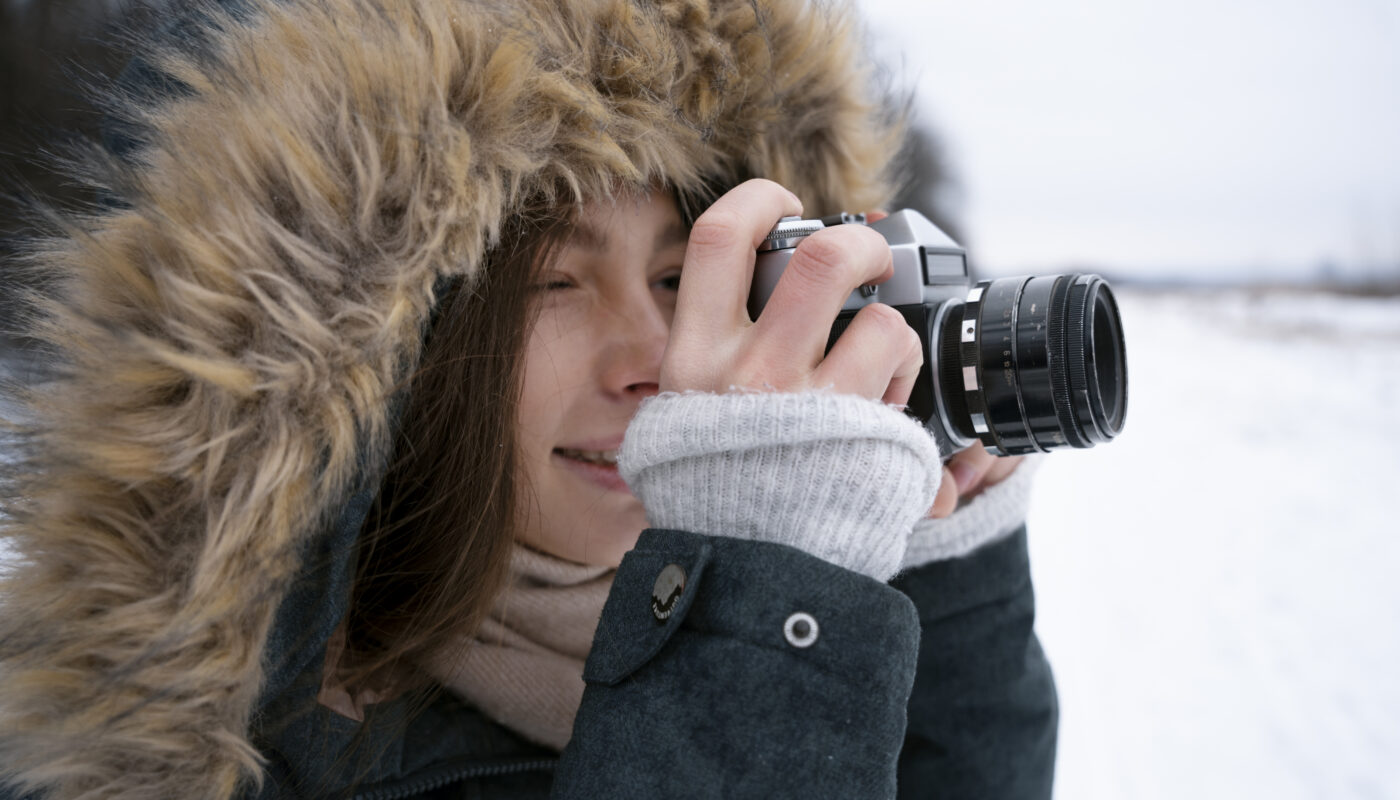
- DSLR or Mirrorless Camera: Provides control over exposure and lenses. Full-frame sensors handle dynamic light better.
- Wide-Angle Lens: Captures expansive glacier landscapes and dramatic skies.
- Telephoto Lens: Ideal for isolating details, ice formations, or distant crevasses.
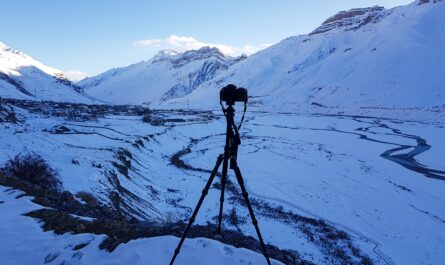
- Tripod: Essential for long exposures, low-light conditions, or panoramic stitching.
- Polarizing Filter: Reduces glare and enhances the blue tones of ice and sky.
- Neutral Density (ND) Filter: Useful for capturing smooth motion in waterfalls or melting ice flows.
Safety Gear
- Crampons and Ice Axes: For stability on ice.
- Rope and Harness: Essential if venturing onto larger glaciers.
- Proper Clothing: Layered clothing, waterproof outerwear, gloves, and thermal hats.
- Sunglasses or Goggles: Prevent snow blindness in bright conditions.
Optional Extras
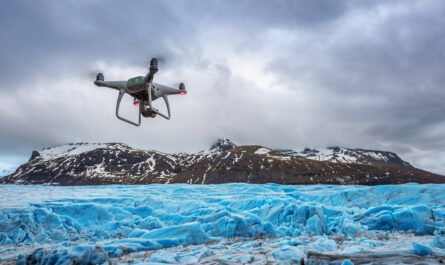
- Drone: For aerial perspectives of glaciers and surrounding mountains.
- Extra Batteries: Cold temperatures drain batteries quickly.
- Weatherproof Bags: Protect your equipment from snow, ice, and moisture.
Understanding Light and Weather
Light is the single most critical element in glacier photography. Ice and snow reflect a high percentage of sunlight, which can cause images to appear washed out if not managed correctly.
Best Times for Glacier Photography
- Golden Hour: Early morning or late evening provides warm, soft light that contrasts beautifully with the icy blues of glaciers.
- Overcast Conditions: Diffused light reduces harsh shadows and highlights textures in ice formations.
- Blue Hour: Just before sunrise or after sunset, soft ambient light gives glaciers a magical, ethereal quality.
Weather Considerations
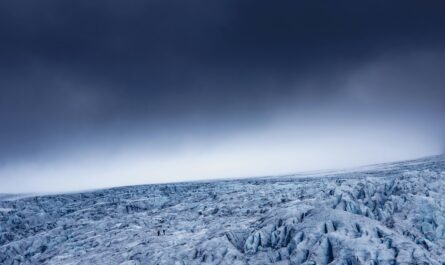
- Clouds: Cloud cover can create dramatic mood and scale, especially when low clouds hug glacier ridges.
- Snowfall: Fresh snow adds texture and contrast but may reduce visibility.
- Wind: Can be a challenge for long exposures but adds dynamism when photographing blowing snow or ice particles.
Composition Tips for Glacier Photography
Glacier landscapes are vast, and framing them effectively requires careful planning.
1. Use Leading Lines
Crevasses, ice ridges, and meltwater streams naturally guide the viewer’s eye through the image. Position them diagonally to create depth.
2. Include Foreground Elements
Rocks, ice chunks, or glacial streams in the foreground help convey scale and create a sense of three-dimensionality.
3. Capture Patterns and Textures
Zoom in on ice textures, cracks, and blue ice pockets. Macro shots of ice formations reveal details invisible from afar.
4. Play with Scale
Including humans, animals, or tents in the frame emphasizes the glacier’s massive scale.
5. Panoramas
Wide panoramic shots convey the full breadth of glaciers, especially those that stretch for miles.
Techniques for Stunning Glacier Shots
1. Long Exposure Photography
Capture the flow of meltwater streams or falling ice using slow shutter speeds. ND filters can help balance exposure in bright conditions.
2. HDR (High Dynamic Range)
Glacier scenes often contain extreme contrasts between bright ice and shadows. HDR blending can preserve details in both highlights and shadows.
3. Polarization
A polarizing filter reduces glare from wet ice surfaces and enhances the vibrant blues in ice and sky.
4. Drone Photography
Drones provide an unparalleled perspective of glacier patterns, icefalls, and surrounding mountain landscapes. Be cautious about wind and temperature, which affect drone performance.
5. Time-Lapse
Time-lapse photography shows ice movement, melting patterns, or cloud shifts, creating dynamic and engaging visuals.
Safety Tips for Glacier Photographers
Safety cannot be overstated when photographing glaciers:
- Travel With a Guide: Experienced guides know safe paths and crevasse locations.
- Use Proper Footwear: Crampons are essential on icy surfaces.
- Avoid Thin Ice: Meltwater channels can create unstable surfaces.
- Weather Awareness: Sudden storms can reduce visibility and increase risk.
- Emergency Gear: Carry a first aid kit, GPS, and communication device.
- Respect Wildlife: Some glaciers are habitats for birds or small mammals; keep distance.
Safety measures ensure that your photography adventure remains memorable for the right reasons.
Best Glacier Photography Destinations
1. Jostedalsbreen, Norway
- Why It’s Great: Europe’s largest glacier, featuring blue ice, crevasses, and surrounding fjord landscapes.
- Photo Tips: Visit early morning for soft light and fewer tourists. Capture reflections in glacial lakes.
2. Perito Moreno, Argentina
- Why It’s Great: A massive, advancing glacier in Patagonia with frequent ice calving events.
- Photo Tips: Position yourself along viewing platforms to photograph dramatic icefalls.
3. Vatnajökull, Iceland
- Why It’s Great: Iceland’s largest glacier with diverse ice caves, blue ice formations, and surrounding volcanic landscapes.
- Photo Tips: Winter ice caves provide unique interior shots; daylight balances icy blue tones with natural light.
4. Franz Josef Glacier, New Zealand
- Why It’s Great: Accessible glacier with rainforest and mountain surroundings, offering contrasting scenery.
- Photo Tips: A guided hike allows closer access to crevasses and ice formations.
5. Aletsch Glacier, Switzerland
- Why It’s Great: The largest glacier in the Alps, with panoramic views and iconic vantage points.
- Photo Tips: Use elevated viewpoints to capture its serpentine structure.
Ethical Considerations
Glaciers are fragile environments. Photographers should practice ethical glacier tourism:
- Leave No Trace: Avoid littering and disturbing natural formations.
- Stick to Marked Paths: Reduces erosion and preserves the landscape.
- Avoid Damaging Ice Formations: Do not chip or break ice for creative shots.
- Respect Wildlife: Do not approach or feed animals.
Ethical photography ensures glaciers remain pristine for future generations.
Post-Processing Tips
Post-processing helps bring out the best in glacier photography:
- Enhance Blue Tones: Ice often appears gray in harsh light; subtle color adjustment can restore natural blues.
- Adjust Contrast: Highlight crevasses and textures without overexposing bright areas.
- Sharpen Details: Focus on ridges, cracks, and ice formations for clarity.
- Crop for Composition: Tighten the frame to emphasize scale or patterns in ice.
- Panorama Stitching: Merge multiple frames for sweeping glacier landscapes.
Conclusion
Photographing glaciers is a blend of art, adventure, and environmental respect. From icy peaks in Norway to Patagonia and the Alps, glaciers offer photographers some of the most dramatic, dynamic, and inspiring landscapes on Earth. With the right gear, safety awareness, knowledge of light, and compositional techniques, you can capture images that reflect both the raw beauty and fragile nature of these frozen giants.
Whether you are aiming for sweeping panoramas, detailed ice textures, or dramatic glacier calving shots, this guide equips you to plan, shoot, and preserve memories of these breathtaking environments responsibly and creatively.