 by
by Glaciers are among the most striking features of our planet. These massive rivers of ice, formed over thousands of years, are not just beautiful; they are vital components of Earth’s climate system, freshwater reservoirs, and ecological balance. Yet, as global temperatures rise, glaciers around the world are retreating at unprecedented rates. Scientists warn that if this trend continues, glaciers could disappear entirely within the next century in many regions. But what would Earth look like if glaciers vanished completely? And how would such a loss reshape landscapes, ecosystems, human societies, and even the climate itself? This article explores the profound implications of a world without glaciers.
1. Glaciers: Nature’s Sculptors and Water Towers
Before imagining a world without glaciers, it is essential to understand their functions and significance.
A. Geological Architects
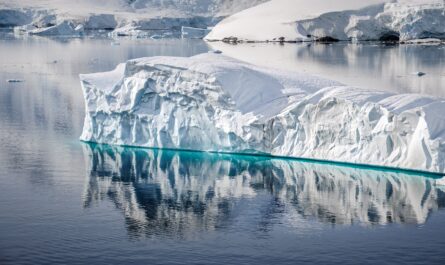
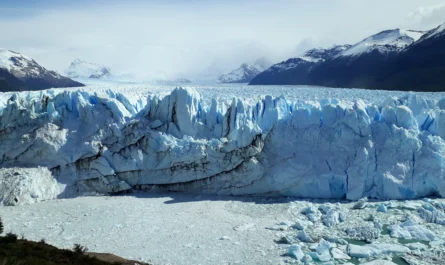
Glaciers shape landscapes in dramatic ways. As they slowly advance and retreat, they carve valleys, fjords, cirques, and moraines. Many of the most iconic natural landscapes on Earth, from the fjords of Norway to the Rocky Mountains, owe their existence to glacial activity. Without glaciers, these dramatic formations would be far less pronounced, leaving mountains and valleys appearing smoother and less jagged over geological time.
B. Freshwater Reservoirs
Glaciers store about 69% of the world’s freshwater, slowly releasing it into rivers and lakes. This meltwater is crucial for millions of people, especially in Asia and South America, where major rivers like the Ganges, Yangtze, Indus, and Amazon depend on glacial contributions. Without glaciers, these freshwater supplies would diminish drastically, threatening agriculture, drinking water, and hydroelectric power.
C. Climate Regulation
Glaciers influence the global climate by reflecting sunlight due to their high albedo (reflectivity). This helps regulate temperatures in polar and high-altitude regions. Losing glaciers would reduce this reflective surface, leading to higher regional and global temperatures—a feedback loop that accelerates warming.
2. Landscapes Transformed: The World Without Ice
If glaciers were to disappear entirely, the physical appearance of many regions would change dramatically.
A. Mountains
Without glaciers, many mountain ranges would look less rugged. Sharp peaks sculpted by glacial erosion would gradually become more rounded through weathering. Iconic landscapes like the Alps, Himalayas, and Andes would lose some of their dramatic character, and glacial valleys might fill with sediments and vegetation over time.
B. Fjords and Coastal Regions
Fjords, which are deep, glacially carved inlets, would slowly become shallower over millennia as sediments fill the channels once scoured by ice. Coastal ecosystems depending on glacial meltwater would be disrupted, affecting both marine and human life.
C. Glacial Lakes
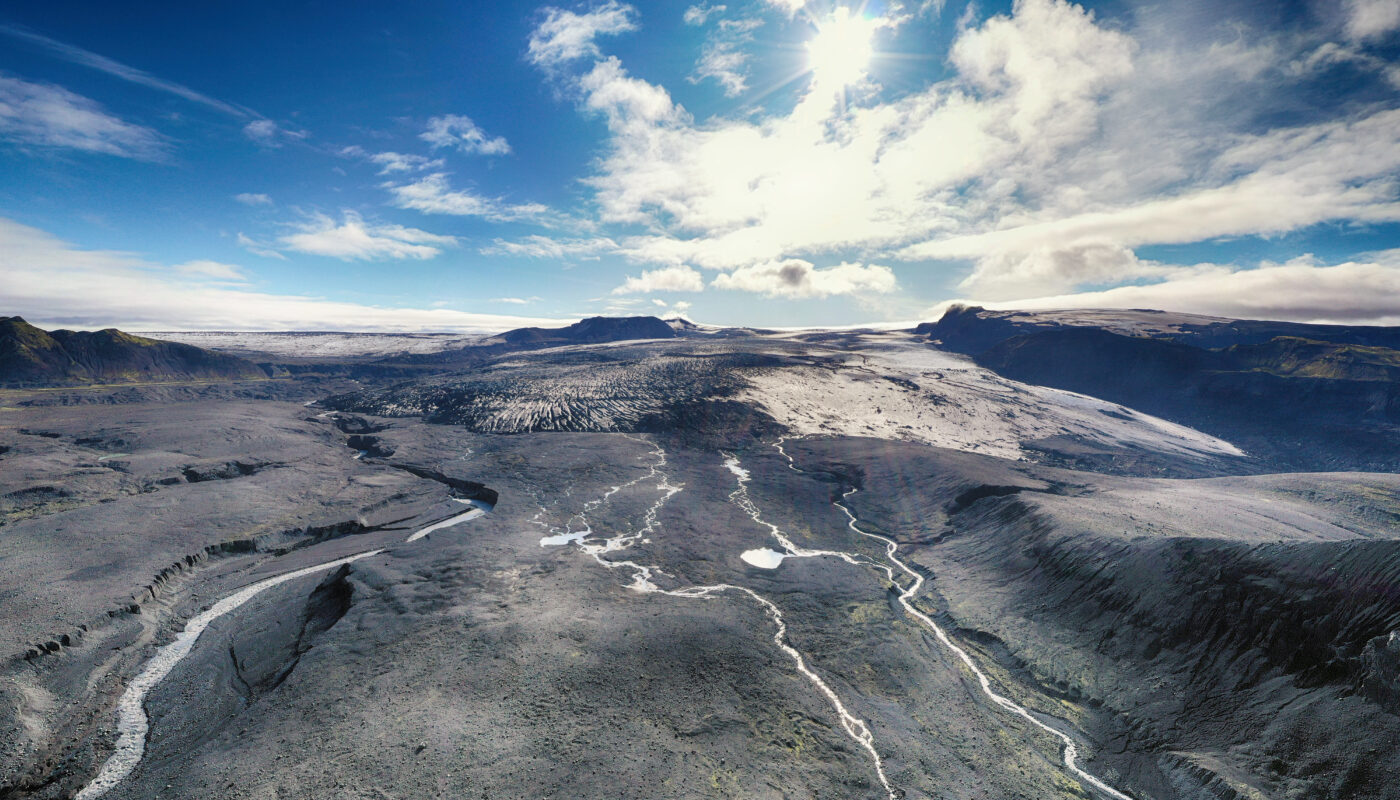
As glaciers vanish, many glacial lakes may initially expand due to meltwater, but over time, they would shrink and eventually disappear without a steady supply of ice. Newly exposed land may become barren until ecosystems gradually establish themselves, but the transition would be long and complex.
3. Rising Seas: A Global Flood Threat
One of the most immediate consequences of losing glaciers is sea-level rise. While glaciers on land contribute less than the polar ice sheets of Antarctica and Greenland, their complete disappearance would still raise global sea levels by several meters over the next few centuries.
Impacts on Coastal Areas
- Cities at Risk: Major coastal cities like New York, Shanghai, Mumbai, and Rio de Janeiro could experience severe flooding and permanent inundation.
- Island Nations Threatened: Countries such as the Maldives, Tuvalu, and Kiribati would face existential threats.
- Displacement of Populations: Hundreds of millions of people could be forced to migrate inland, creating socio-political pressures and humanitarian crises.
4. Ecosystems in Peril
Glaciers are not just inert ice; they are ecosystems in themselves, supporting unique life forms.
A. Alpine and Polar Species
Species adapted to cold, glacial environments, such as snow leopards, mountain goats, and certain invertebrates, would lose critical habitats. Many could face extinction if they cannot migrate or adapt.
B. Aquatic Systems
Glacial meltwater contributes to river flow, especially during dry seasons. Without glaciers, rivers would experience lower flows in summer, affecting fish populations, aquatic plants, and wetlands. Salmon runs in Alaska and trout populations in the Himalayas would face severe stress.
C. Ocean Circulation
Melting glaciers currently feed the oceans with freshwater, influencing salinity and currents. The loss of glaciers could disrupt major ocean currents, such as the Atlantic Meridional Overturning Circulation, affecting climate patterns worldwide.
5. Human Societies at a Crossroads
Humans have long relied on glaciers for water, energy, and agriculture. Without them, societies in glaciated regions would face multiple challenges.
A. Water Scarcity
Regions like South Asia and the Andes depend on glacial melt for agriculture and drinking water. Without glaciers, seasonal water availability would decrease, impacting crops, livestock, and human settlements.
B. Energy Production
Hydroelectric power is often dependent on glacial rivers. Reduced flows could lead to electricity shortages, forcing communities to seek alternative energy sources.
C. Cultural Impacts
Many communities consider glaciers sacred or integral to their identity. Indigenous groups in the Arctic and Andes have traditional practices tied to glaciers, and the loss of ice would mean a profound cultural transformation.
6. Climate Feedback Loops
The disappearance of glaciers would also accelerate climate change through several feedback mechanisms:
- Reduced Albedo: Less ice means more sunlight is absorbed by the Earth’s surface, increasing warming.
- Methane Release: Glacial retreat can expose permafrost, releasing methane, a potent greenhouse gas.
- Temperature Amplification: Loss of glaciers in polar regions would exacerbate local warming, particularly in the Arctic, accelerating ice melt further.
7. Visualizing a Glacier-Free World
Imagining Earth without glaciers evokes striking images:
- Mountains: Rounded peaks replacing jagged, snow-draped ridges.
- Valleys: Glacial valleys filled with sediments or small lakes, no longer carved by flowing ice.
- Coastlines: Rising seas inundating lowlands, reshaping cities, ports, and islands.
- Rivers: Reduced flows in summer, altering river ecosystems and human usage.
- Climate Patterns: Regions experiencing hotter summers and altered precipitation.
Although glaciers may vanish gradually, the cumulative changes would be profound, reshaping landscapes, ecosystems, and human life on every continent.
8. Can Anything Be Done?
While some glacier loss is now inevitable due to existing global warming, actions can slow and mitigate impacts:
A. Reduce Carbon Emissions
Limiting global warming to 1.5°C could save many smaller glaciers from complete disappearance. Transitioning to renewable energy, reducing deforestation, and promoting energy efficiency are crucial.
B. Glacier Monitoring
Scientists use satellites, drones, and ground measurements to track glacial changes. Monitoring allows for better prediction of water resources, flood risks, and ecological impacts.
C. Sustainable Water Management
Communities dependent on glacial meltwater must implement conservation strategies, reservoirs, and alternative water sources to adapt to reduced flows.
D. Conservation Efforts
Protecting alpine ecosystems and creating wildlife corridors helps species adapt to changing habitats caused by glacier retreat.
9. The Takeaway
Glaciers are much more than ice. They are sculptors of landscapes, regulators of water and climate, and homes for unique ecosystems. A world without glaciers would be dramatically different:
- Rising seas would reshape coastlines.
- River systems would diminish, threatening water and food security.
- Iconic landscapes and natural wonders would transform, losing much of their rugged beauty.
- Ecosystems adapted to cold would face extinction, and human societies would struggle with water scarcity and energy challenges.
Understanding the consequences of glacial loss underscores the urgency of climate action. Protecting glaciers is not just about preserving scenic beauty; it is about safeguarding the future of ecosystems, human societies, and the planet as a whole.