by
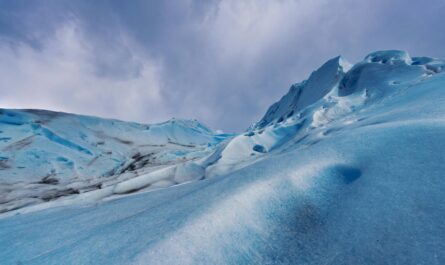
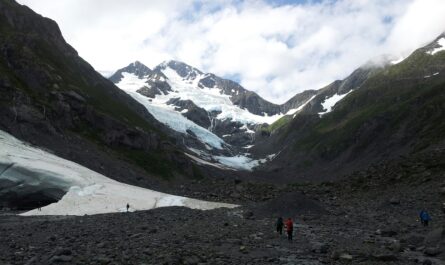
by Glaciers are among the most awe-inspiring natural wonders on Earth. Towering walls of blue ice, dramatic crevasses, sparkling ice caves, and ancient frozen landscapes attract millions of travelers each year. Whether trekking across Iceland’s icy expanses, sailing past Alaska’s tidewater glaciers, hiking on New Zealand’s famous ice fields, or exploring Patagonia’s massive glaciers, glacier tourism has become one of the fastest-growing segments of adventure travel.
One of the first questions many travelers ask is, “How expensive is glacier tourism?” The answer depends on several factors, including the destination, transportation, accommodation, guided activities, seasonal demand, and the type of glacier experience you choose. Some countries offer relatively affordable self-guided viewpoints, while others require helicopters, specialized equipment, or multi-day expeditions that can significantly increase costs.
This comprehensive guide compares glacier tourism costs across some of the world’s top glacier destinations, helping you understand what to expect and how to plan a memorable adventure without exceeding your budget.
What Determines the Cost of Glacier Tourism?
Glacier tourism is not simply about visiting a glacier. Several elements contribute to the total cost of your trip.
Major cost factors include:
- International flights
- Domestic transportation
- Accommodation
- Guided tours
- National park entrance fees
- Equipment rental
- Meals
- Travel insurance
- Seasonal pricing
The more remote the glacier, the higher the overall travel expenses tend to be.
Budget Categories
For comparison purposes, glacier tourism can generally be divided into three categories.
Budget
Ideal for travelers who:
- Visit accessible viewpoints
- Use public transportation
- Stay in hostels
- Join group tours
Approximate daily cost:
US$80–180
Mid-Range
Suitable for most travelers.
Includes:
- Comfortable hotels
- Guided glacier walks
- Rental cars where necessary
- Restaurant meals
Approximate daily cost:
US$180–400
Luxury
Includes premium experiences such as:
- Helicopter landings
- Boutique lodges
- Private guides
- Multi-day glacier expeditions
Daily costs often exceed:
US$500–1,500+
Iceland
Average Cost
Budget: US$120–180 per day
Mid-range: US$250–450 per day
Luxury: US$700+ per day
Popular Glacier Experiences
Iceland offers:
- Glacier hiking
- Ice cave tours
- Snowmobiling
- Ice climbing
- Glacier lagoons
Typical Activity Prices
- Glacier walk: US$90–180
- Ice cave tour: US$120–250
- Snowmobile tour: US$180–350
Why Iceland Is Expensive
Factors include:
- High wages
- Imported goods
- Limited accommodation
- Strong tourism demand
Despite the costs, Iceland offers exceptional infrastructure and accessibility.
Norway
Average Cost
Budget: US$130–200
Mid-range: US$250–450
Luxury: US$600+
Glacier Attractions
Popular glaciers include:
- Jostedalsbreen
- Nigardsbreen
- Briksdalsbreen
- Folgefonna
Activity Costs
- Guided glacier hike: US$80–180
- Kayaking near glaciers: US$70–150
- Scenic boat trips: US$40–100
Norway’s excellent safety standards and transportation justify much of the higher pricing.
Switzerland
Average Cost
Budget: US$150–220
Mid-range: US$300–500
Luxury: US$700–1,200
Glacier Highlights
Visitors enjoy:
- Glacier railways
- Ice palaces
- Cable cars
- Panoramic viewpoints
Major Expenses
Mountain railways often represent the largest single expense.
Round-trip tickets may cost:
US$80–250 depending on destination.
Accommodation in popular Alpine villages also contributes significantly to overall costs.
New Zealand
Average Cost
Budget: US$90–180
Mid-range: US$200–350
Luxury: US$600+
Glacier Experiences
- Franz Josef Glacier
- Fox Glacier
- Helicopter glacier hikes
- Ice climbing
Cost Considerations
Many glaciers have become less accessible due to retreat.
As a result, helicopter access has become increasingly common.
Heli-hiking typically costs:
US$350–600
Although expensive, it offers extraordinary access.
Canada
Average Cost
Budget: US$100–180
Mid-range: US$220–400
Luxury: US$600+
Popular Destinations
- Athabasca Glacier
- Columbia Icefield
- Jasper National Park
- Banff National Park
Typical Costs
Ice Explorer tours:
US$70–120
Guided glacier hikes:
US$100–220
Accommodation prices vary greatly between seasons.
Alaska, USA
Average Cost
Budget: US$120–200
Mid-range: US$250–450
Luxury: US$700–1,500
Glacier Experiences
Visitors enjoy:
- Glacier cruises
- Flightseeing
- Dog sledding
- Helicopter tours
- Sea kayaking
Premium Experiences
Helicopter glacier landings:
US$300–700
Dog sledding on glaciers:
US$500–900
The remote nature of Alaska increases transportation costs.
Patagonia (Argentina & Chile)
Average Cost
Budget: US$70–150
Mid-range: US$180–350
Luxury: US$500+
Glacier Attractions
- Perito Moreno
- Grey Glacier
- Balmaceda Glacier
- Serrano Glacier
Activity Costs
Boat tours:
US$40–100
Mini glacier trekking:
US$150–250
Big Ice expedition:
US$350–500
Patagonia generally offers excellent value considering the quality of scenery.
Greenland
Average Cost
Budget: US$180–300
Mid-range: US$350–600
Luxury: US$900+
Why Greenland Is Expensive
Costs are driven by:
- Limited flights
- Remote settlements
- Imported supplies
- Seasonal accessibility
Experiences
- Icefjord cruises
- Glacier kayaking
- Helicopter sightseeing
- Arctic expeditions
Although expensive, Greenland delivers some of the world’s most extraordinary glacier landscapes.
Svalbard
Average Cost
Budget: US$180–250
Mid-range: US$350–600
Luxury: US$900+
Glacier Activities
- Boat expeditions
- Snowmobiling
- Glacier hikes
- Polar wildlife cruises
Strict environmental regulations help preserve fragile Arctic ecosystems.
Peru
Average Cost
Budget: US$40–100
Mid-range: US$120–250
Luxury: US$350+
Glacier Destinations
- Cordillera Blanca
- Pastoruri Glacier
- Huascarán National Park
Peru offers some of the world’s most affordable glacier tourism opportunities.
Bolivia
Average Cost
Budget: US$35–90
Mid-range: US$100–220
Luxury: US$350+
Experiences
- Mountain trekking
- High-altitude glaciers
- Mountaineering
The lower cost of accommodation and transportation makes Bolivia attractive for budget travelers.
Nepal
Average Cost
Budget: US$30–80
Mid-range: US$100–250
Luxury: US$500+
Glacier Tourism
Most glacier experiences involve trekking.
Costs vary according to:
- Permit fees
- Guide requirements
- Trek duration
- Domestic flights
Longer Himalayan expeditions naturally increase expenses.
Argentina
Outside Patagonia’s premium experiences, Argentina remains relatively affordable.
Budget travelers benefit from:
- Low-cost buses
- Hostels
- Affordable food
- Self-guided viewpoints
Guided glacier walks remain the largest expense.
Chile
Chile’s glacier tourism ranges from affordable day trips to luxury Patagonia expeditions.
Costs increase in southern regions due to:
- Transportation
- Limited accommodation
- Remote national parks
However, excellent infrastructure helps simplify travel planning.
Comparing Activity Costs
| Activity | Typical Price (USD) |
|---|---|
| Glacier viewpoint | Free–20 |
| Scenic boat tour | 40–120 |
| Guided glacier hike | 80–250 |
| Ice cave tour | 100–250 |
| Ice climbing | 150–350 |
| Kayaking | 70–200 |
| Helicopter sightseeing | 250–700 |
| Heli-hiking | 350–700 |
| Multi-day expedition | 800–4,000+ |
Hidden Costs
Travelers often overlook several expenses.
These may include:
- Equipment rental
- Waterproof clothing
- Gloves
- Transportation to trailheads
- Parking fees
- National park permits
- Travel insurance
Preparing for these additional costs prevents unpleasant surprises.
Best Value Destinations
Travelers seeking excellent value should consider:
Patagonia
Outstanding scenery at moderate prices.
Peru
Affordable mountain adventures.
Canada
Excellent accessibility and infrastructure.
Norway
Expensive but offers many free viewpoints alongside guided experiences.
Most Expensive Destinations
Higher overall costs are typically found in:
- Greenland
- Switzerland
- Alaska
- Svalbard
- Iceland
These destinations often involve remote transportation and premium services.
Budget Tips
Save money by:
- Traveling during shoulder seasons.
- Booking tours early.
- Using public transportation.
- Sharing rental cars.
- Staying in hostels.
- Preparing your own meals.
- Combining multiple attractions into one trip.
Planning ahead often results in substantial savings.
Is Glacier Tourism Worth the Cost?
For many travelers, glacier tourism represents a once-in-a-lifetime experience. Standing on ancient ice that formed thousands of years ago, witnessing dramatic calving events, exploring shimmering ice caves, or hiking across vast frozen landscapes offers memories that few other destinations can match.
In addition to their beauty, glaciers provide valuable educational opportunities. Guided tours often include explanations about glaciology, climate change, local ecosystems, and conservation efforts, adding depth and meaning to the experience.
While premium activities such as heli-hiking or ice climbing can be expensive, many destinations also offer affordable ways to appreciate glaciers through scenic viewpoints, visitor centers, short walks, and boat excursions.
Sustainable Glacier Tourism
As glaciers continue to retreat due to climate change, responsible tourism becomes increasingly important.
Visitors can support sustainability by:
- Choosing environmentally responsible tour operators.
- Following Leave No Trace principles.
- Staying on designated trails.
- Reducing waste.
- Supporting local businesses.
- Learning about glacier conservation.
These actions help preserve fragile environments while supporting communities that depend on tourism.
Conclusion
Glacier tourism varies greatly in cost depending on where you travel and the type of experience you seek. Budget-conscious travelers can enjoy remarkable glacier landscapes in destinations such as Peru, Bolivia, and parts of Patagonia, while countries like Iceland, Switzerland, Greenland, and Alaska offer world-class experiences at higher price points due to transportation, infrastructure, and specialized activities.
Whether your dream is hiking across Icelandic ice fields, cruising beneath towering Alaskan glaciers, walking on Argentina’s Perito Moreno Glacier, exploring Canada’s Columbia Icefield, or witnessing Greenland’s immense icebergs, there are options to suit nearly every budget. Careful planning, flexible travel dates, and informed choices about tours and accommodation can significantly reduce expenses without sacrificing the quality of your adventure.
Ultimately, glacier tourism is an investment in experiencing some of the planet’s most extraordinary natural wonders. These ancient rivers of ice not only inspire awe but also deepen our understanding of Earth’s climate, geology, and ecosystems. By traveling responsibly and supporting sustainable tourism practices, visitors can help ensure that future generations will also have the opportunity to marvel at these magnificent frozen landscapes.