 by
by Nestled among the dramatic mountains and deep fjords of western Norway lies one of Europe’s most extraordinary natural wonders: the Jostedalsbreen glacier. Covering a vast area of ice and snow, Jostedalsbreen is the largest glacier on the European mainland and one of Norway’s most treasured natural landmarks. Its immense ice cap, stunning blue ice formations, and numerous outlet glaciers have captivated explorers, scientists, photographers, and travelers for generations.
While many visitors are familiar with Norway’s famous fjords, fewer realize that the same geological forces that helped shape those magnificent waterways are closely connected to glaciers like Jostedalsbreen. The glacier serves as a living reminder of the Ice Ages that sculpted Scandinavia’s landscapes, carving valleys, shaping mountains, and creating some of the world’s most spectacular scenery.
What makes Jostedalsbreen especially fascinating is not only its size but also its network of outlet arms—long tongues of ice that flow outward from the main ice cap into surrounding valleys. These outlet glaciers provide accessible opportunities for visitors to experience glacial environments up close while offering scientists valuable insights into climate change and glacier dynamics.
This article explores the history, formation, geography, outlet glaciers, ecological importance, tourism opportunities, and future challenges facing Norway’s largest glacier.
An Introduction to Jostedalsbreen
Located in western Norway, Jostedalsbreen stretches across parts of what is now Vestland. The glacier covers approximately 480 square kilometers, making it the largest glacier on the European mainland.


7
The glacier lies within the protected boundaries of Jostedalsbreen National Park, an area renowned for its diverse landscapes, including glaciers, valleys, lakes, waterfalls, and alpine ecosystems.
At its thickest points, the glacier reaches depths of several hundred meters. Despite appearing permanent and immovable, Jostedalsbreen is constantly changing. Like all glaciers, it slowly flows under its own weight, continuously reshaping the terrain beneath it.
How Jostedalsbreen Formed
The story of Jostedalsbreen begins thousands of years ago during the last Ice Age.
During colder climatic periods, snow accumulated faster than it melted. Layer upon layer of snow compressed into dense ice, eventually forming massive ice sheets that covered much of northern Europe.
Over time:
- Snow compacted into glacial ice
- Ice thickened significantly
- Gravity caused the ice to flow outward
- Valleys were deepened and widened
- Mountains were sculpted into their present forms
As the climate warmed following the last Ice Age, most of the large continental ice sheets disappeared. However, certain high-altitude regions of Norway retained enough snow and ice to maintain glaciers.
Jostedalsbreen is one of the most impressive survivors of this glacial legacy.
Why Jostedalsbreen Is So Large
Several factors contribute to the glacier’s remarkable size.
Heavy Snowfall
Western Norway receives abundant precipitation from moist air masses arriving from the Atlantic Ocean.
When this moisture encounters mountainous terrain, it rises and cools, producing substantial snowfall at higher elevations.
High Elevation
Much of the glacier sits at elevations where temperatures remain low enough for snow accumulation.
Cool Climate
Although western Norway experiences relatively mild coastal conditions, higher elevations remain sufficiently cold to support glacier formation.
Topographic Advantages
The surrounding mountain landscape helps trap snow and maintain favorable conditions for glacier growth.
Long after the great Ice Ages ended, Jostedalsbreen continued to exist because of these characteristics.
Understanding Outlet Glaciers
One of the most distinctive features of Jostedalsbreen is its numerous outlet glaciers.
An outlet glacier is a stream or tongue of ice that flows outward from the main glacier body into surrounding valleys.
Think of the glacier as a giant reservoir of ice.
The outlet arms function like channels through which the ice slowly moves downhill.
These outlet glaciers often provide the most accessible and visually dramatic experiences for visitors because they extend far below the main ice cap.
Each outlet arm has its own characteristics, behavior, and surrounding landscape.
Briksdalsbreen: The Most Famous Outlet Glacier
Among Jostedalsbreen’s many outlet glaciers, Briksdalsbreen is undoubtedly the most famous.


7
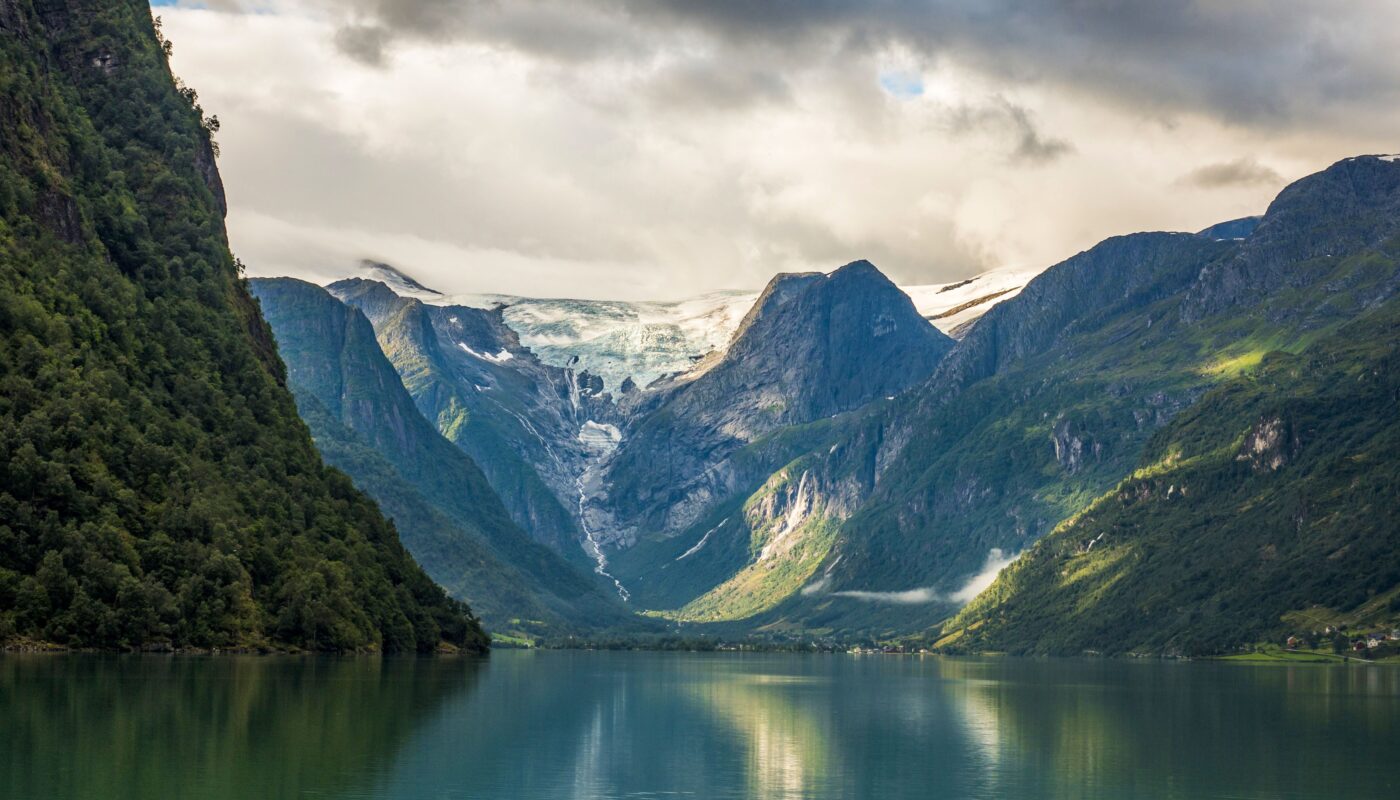
Briksdalsbreen descends dramatically from the main ice cap into the picturesque Briksdal Valley.
Its popularity stems from several factors:
- Easy accessibility
- Spectacular scenery
- Dramatic mountain backdrop
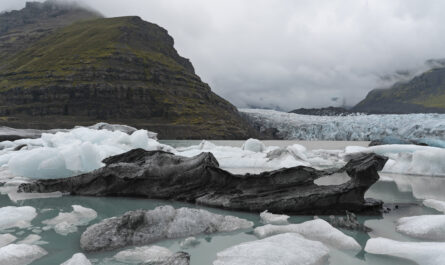
- Glacier-fed lakes
- Excellent hiking opportunities
Visitors can walk along well-maintained trails leading toward the glacier while enjoying views of waterfalls and rugged mountain landscapes.
Over the years, Briksdalsbreen has become one of Norway’s most photographed natural attractions.
Nigardsbreen: A Glacier Adventure Hub
Another famous outlet arm is Nigardsbreen.
Nigardsbreen is particularly well known for guided glacier walks.
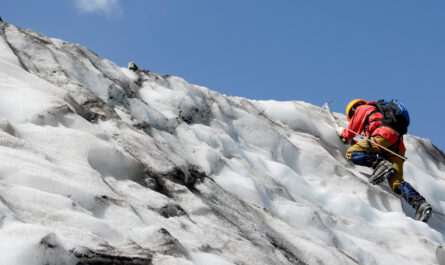
Unlike some glaciers that are viewed primarily from a distance, Nigardsbreen offers opportunities for visitors to step directly onto the ice under professional supervision.
Popular activities include:
- Glacier hiking
- Ice climbing
- Educational tours
- Photography excursions
The glacier’s vivid blue ice formations and accessible terrain make it one of Norway’s premier glacier tourism destinations.
Bøyabreen: The Dramatic Ice Wall
One of the glacier system’s most remarkable visual displays is offered by the Bøyabreen outlet glacier.
Visitors often admire:
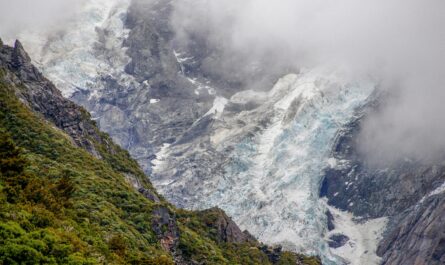
- Steep glacier fronts
- Jagged ice formations
- Powerful meltwater streams
- Dramatic valley scenery
Although direct glacier access is more limited than at Nigardsbreen, Bøyabreen remains a favorite among photographers.
Tunsbergdalsbreen: Norway’s Longest Glacier Arm
Among Jostedalsbreen’s outlet glaciers, Tunsbergdalsbreen holds a special distinction.
It is considered the longest outlet glacier connected to the ice cap.
Historically, this glacier played an important role in shaping surrounding valleys through erosion and ice movement.
Its scale illustrates the immense power glaciers possess over geological timescales.
The Science of Glacier Movement
Although glaciers appear frozen in place, they are constantly moving.
The movement occurs because:
- Ice deforms under pressure
- Gravity pulls the glacier downhill
- Meltwater lubricates the glacier base
Depending on location and conditions, sections of the glacier may move several centimeters to several meters annually.
Scientists monitor these movements to better understand glacier health and climate trends.
The outlet arms often reveal changes more visibly than the central ice cap because their positions can shift noticeably over time.
Jostedalsbreen and Climate Change
Like many glaciers worldwide, Jostedalsbreen has experienced significant changes in recent decades.
Scientists have observed:
- Retreating glacier fronts
- Reduced ice thickness
- Changing meltwater patterns
- Altered seasonal snow cover
The effects vary among different outlet glaciers.
Some arms have retreated more rapidly than others.
Several factors influence glacier behavior:
- Air temperature
- Snowfall levels
- Summer melting
- Rainfall patterns
- Oceanic climate influences
Researchers continue studying Jostedalsbreen to understand how glaciers respond to a warming climate.
Why Glaciers Matter
Glaciers are far more than scenic attractions.
They provide numerous environmental benefits.
Freshwater Storage
Glaciers store enormous quantities of freshwater.
This frozen reservoir releases water gradually through melting.
Landscape Formation
Many of Norway’s valleys and fjords owe their existence to glacial erosion.
Ecosystem Support
Glacier-fed rivers support unique aquatic ecosystems.
Climate Indicators
Because glaciers respond to temperature changes, they serve as valuable indicators of environmental trends.
Studying glaciers helps scientists understand broader climate processes.
Wildlife Around Jostedalsbreen
Despite the harsh conditions associated with glaciers, the surrounding national park supports diverse wildlife.
Species found in the region include:
- Reindeer
- Red foxes
- Golden eagles
- Ptarmigan
- Otters
The park also hosts numerous alpine plant species adapted to short growing seasons and challenging mountain conditions.
As glaciers retreat, newly exposed terrain gradually becomes colonized by vegetation, providing scientists with opportunities to study ecological succession.
Visiting Jostedalsbreen National Park
For travelers, Jostedalsbreen offers an extraordinary range of experiences.
Popular activities include:
Glacier Walks
Guided tours allow visitors to safely explore the ice.
Hiking
Numerous trails provide spectacular viewpoints overlooking glaciers and valleys.
Kayaking
Some glacier-fed lakes offer kayaking opportunities surrounded by dramatic scenery.
Photography
The combination of ice, mountains, waterfalls, and changing light creates exceptional photographic conditions.
Educational Programs
Visitor centers provide information about glaciology, geology, and environmental conservation.
The Best Time to Visit
The most popular season for visiting Jostedalsbreen is summer.
June to August
Advantages include:
- Accessible trails
- Longer daylight hours
- Guided glacier tours
- Pleasant temperatures
Spring
Spring often offers:
- Powerful waterfalls
- Snow-covered peaks
- Fewer visitors
Autumn
Autumn provides:
- Colorful landscapes
- Reduced crowds
- Excellent photography opportunities
Weather conditions can change rapidly throughout the year, making preparation important.
Safety Around Glaciers
Although beautiful, glaciers can be hazardous.
Potential dangers include:
- Crevasses
- Falling ice
- Unstable terrain
- Rapid weather changes
For this reason, guided tours are strongly recommended when venturing onto glacier surfaces.
Professional guides possess the equipment and expertise necessary to ensure visitor safety.
The Future of Jostedalsbreen
The future of Jostedalsbreen depends largely on climatic conditions.
Scientists continue monitoring:
- Ice thickness
- Glacier retreat rates
- Snow accumulation
- Meltwater production
While the glacier remains a dominant feature of Norway’s landscape, ongoing environmental changes are expected to influence its long-term evolution.
Some outlet arms may continue retreating, altering familiar landscapes and affecting local ecosystems.
Conservation efforts and climate research remain essential for understanding these changes.
Conclusion
Jostedalsbreen is far more than Norway’s largest glacier. It is a living monument to the Ice Ages, a powerful force of landscape formation, an invaluable scientific resource, and one of Scandinavia’s most spectacular natural attractions. Its immense ice cap and numerous outlet glaciers—including Briksdalsbreen, Nigardsbreen, Bøyabreen, and Tunsbergdalsbreen—offer unique opportunities to witness the beauty and power of glacial environments firsthand.
The glacier’s influence extends beyond its icy boundaries. It shapes rivers, valleys, ecosystems, tourism, and scientific understanding of climate processes. For visitors, it provides unforgettable experiences among some of Norway’s most dramatic scenery. For researchers, it serves as a vital indicator of environmental change.
As Jostedalsbreen continues evolving in response to natural and human-driven influences, it remains one of Europe’s most remarkable landscapes—a place where ice, mountains, history, and nature come together to tell an extraordinary story that spans thousands of years.