 by
by Glaciers are among the most fascinating natural formations on Earth. These massive rivers of moving ice shape mountains, carve valleys, feed rivers, and create some of the planet’s most dramatic landscapes. While many people imagine glaciers as enormous sheets of ice slowly flowing through wide valleys, not all glaciers look or behave the same way.
One of the most visually striking — and potentially dangerous — types of glaciers is the hanging glacier.
Hanging glaciers cling to steep mountainsides high above valleys, often appearing frozen in impossible positions. From a distance, they can look breathtakingly beautiful, suspended along cliffs or beneath towering peaks. However, beneath that beauty lies significant instability. Hanging glaciers are among the most dangerous glacier formations because they are vulnerable to sudden ice collapse, avalanches, and rapid break-offs that can threaten climbers, hikers, villages, and infrastructure below.
As global temperatures rise and mountain environments become less stable, hanging glaciers are receiving increasing attention from scientists, mountaineers, and environmental researchers. In recent years, several deadly glacier collapses around the world have highlighted the risks associated with unstable alpine ice.
Understanding what hanging glaciers are, how they form, and why they can become dangerous is important not only for mountain travelers but also for understanding how climate change is reshaping high-altitude environments.
What Is a Hanging Glacier?
A hanging glacier is a glacier that forms on the steep slopes or cliffs of a mountain above a valley floor. Unlike valley glaciers, which flow gradually down wide mountain valleys, hanging glaciers remain attached to elevated mountain walls.
The term “hanging” refers to the glacier’s position high above surrounding terrain.
These glaciers are often found:
- On steep mountain faces
- Beneath rocky cliffs
- Along high alpine ridges
- Above valleys and waterfalls
- Near sharp mountain peaks
Hanging glaciers may appear relatively small compared to massive ice sheets, but they can still contain enormous amounts of ice.
Why Are They Called Hanging Glaciers?
The name comes from the way these glaciers seem to “hang” above the landscape.
In many cases, the glacier occupies a shallow depression or ledge on a steep mountain slope. Because the terrain below drops away sharply, the glacier does not extend smoothly to the valley floor.
This creates the appearance of ice suspended above empty space.
Some hanging glaciers feed larger valley glaciers below through falling ice and snow.
How Hanging Glaciers Form
Like all glaciers, hanging glaciers form from accumulated snow that compresses into dense ice over long periods of time.
The formation process usually involves:
- Repeated snowfall in high mountain regions
- Snow accumulation exceeding snowmelt
- Compression of snow into glacial ice
- Slow movement downhill under gravity
However, unlike valley glaciers, hanging glaciers develop in areas where mountain slopes are extremely steep.
Instead of flowing smoothly through valleys, the ice becomes perched on cliffs or steep mountainsides.
Gravity constantly pulls the glacier downward, which contributes to instability.
Where Are Hanging Glaciers Found?
Hanging glaciers occur in many major mountain ranges around the world.
They are especially common in:
- The Alps
- The Himalayas
- The Andes
- Alaska
- The Southern Alps of New Zealand
- The Rocky Mountains
- The Karakoram Range
These glaciers typically form in high-altitude environments where snowfall remains abundant and temperatures stay cold enough for long-term ice accumulation.
What Makes Hanging Glaciers Dangerous?
The primary danger of hanging glaciers comes from instability.
Because they exist on steep slopes, the ice is constantly under stress from gravity. Over time, cracks develop within the glacier, and sections may eventually break away suddenly.
These break-offs can create:
- Ice avalanches
- Rock-ice avalanches
- Glacier collapses
- Shockwaves
- Flooding events
Unlike slow-moving valley glaciers, hanging glaciers can fail rapidly and unpredictably.
Ice Collapse Can Happen Without Warning
One of the most dangerous aspects of hanging glaciers is that collapse may occur suddenly.
Large sections of ice can detach from the glacier and fall thousands of feet down mountain slopes.
These falling ice masses may trigger enormous avalanches capable of destroying everything in their path.
The danger increases when:
- Temperatures rise
- Meltwater weakens the glacier base
- Internal cracks expand
- Permafrost destabilizes surrounding rock
In some cases, entire sections of hanging glaciers collapse at once.
Climate Change Is Increasing Instability
Scientists increasingly warn that global warming is making hanging glaciers more unstable.
Mountain temperatures are rising faster than many lowland regions, especially in alpine environments.
As temperatures increase:
- Ice melts more rapidly
- Glacier structures weaken
- Meltwater penetrates cracks
- Supporting frozen ground thaws
- Rock stability decreases
This combination creates conditions that increase the likelihood of glacier collapse.
In recent years, several major glacier disasters have been linked partly to unusually warm temperatures.
The Marmolada Glacier Collapse
One of the most well-known recent examples occurred in 2022 at the Marmolada glacier in the Italian Alps.
During a period of extreme heat, a large section of glacier ice collapsed, triggering a deadly avalanche that killed hikers and climbers.
Investigators noted that unusually high temperatures likely contributed to the glacier’s instability.
This tragedy highlighted how vulnerable alpine glaciers are becoming as climate conditions change.
Hanging Glaciers and Ice Avalanches
Ice avalanches are one of the greatest hazards associated with hanging glaciers.
Unlike snow avalanches, ice avalanches involve massive chunks of glacier ice breaking free and crashing downhill at high speeds.
These avalanches can:
- Travel enormous distances
- Generate tremendous force
- Trigger secondary avalanches
- Destroy structures and trails
Because ice is extremely dense and heavy, even relatively small collapses can be catastrophic.
Why Mountaineers Fear Hanging Glaciers
Experienced climbers and mountaineers treat hanging glaciers with extreme caution.
Routes passing beneath unstable glaciers are considered particularly dangerous because icefall may occur without warning.
Mountaineers often try to cross exposed sections quickly, especially during colder morning hours when ice conditions are more stable.
Several famous climbing routes worldwide pass beneath hanging glaciers, increasing objective risk for climbers.
Crevasses Increase the Danger
Hanging glaciers often contain large crevasses — deep cracks formed by glacier movement and stress.
These crevasses may become hidden beneath snow, creating additional hazards.
Falling into a crevasse can be fatal due to:
- Extreme depth
- Ice walls
- Hypothermia risk
- Difficulty of rescue
Crevasse danger makes glacier travel highly technical in many mountain environments.
Hanging Glaciers Can Trigger Floods
In some cases, hanging glacier collapse can contribute to flooding events.
Large icefalls may block rivers temporarily, creating unstable ice dams. When these dams fail, sudden flood surges may occur downstream.
Additionally, glacier meltwater can collect in unstable mountain lakes.
If collapsing ice enters these lakes, it may generate dangerous waves or outburst floods.
These events are increasingly studied in regions vulnerable to glacier-related disasters.
The Role of Permafrost
Permafrost plays an important role in mountain stability.
Permafrost refers to permanently frozen ground found in high-altitude and polar environments.
In many mountain regions, frozen rock helps stabilize cliffs supporting hanging glaciers.
However, warming temperatures are causing permafrost to thaw.
As this frozen ground weakens:
- Rockfalls increase
- Glacier support decreases
- Mountain slopes become less stable
This creates a dangerous interaction between glacier instability and rock collapse.
Can Scientists Predict Glacier Collapse?
Predicting hanging glacier collapse is extremely difficult.
Scientists use several monitoring techniques, including:
- Satellite imaging
- GPS movement tracking
- Drone surveys
- Temperature measurements
- Crack monitoring systems
These tools help identify glaciers showing signs of accelerated movement or structural instability.
However, exact timing remains difficult to predict.
Some collapses occur with little obvious warning.
Dangerous Glacier Tourism
As glacier tourism grows worldwide, hanging glaciers present increasing safety challenges.
Many popular alpine destinations attract tourists who may not fully understand glacier hazards.
Visitors often underestimate risks because glaciers appear motionless from a distance.
In reality, glaciers are constantly moving and changing.
Tourists sometimes make dangerous mistakes such as:
- Walking beneath unstable ice cliffs
- Ignoring warning signs
- Approaching glacier fronts too closely
- Hiking without guides
Education and responsible tourism are essential for reducing accidents.
Famous Hanging Glacier Regions
Several mountain regions are especially known for hanging glaciers.
The Alps
The European Alps contain many famous hanging glaciers visible from hiking routes and climbing areas.
The Himalayas
The Himalayas feature enormous hanging glaciers feeding major valley glacier systems.
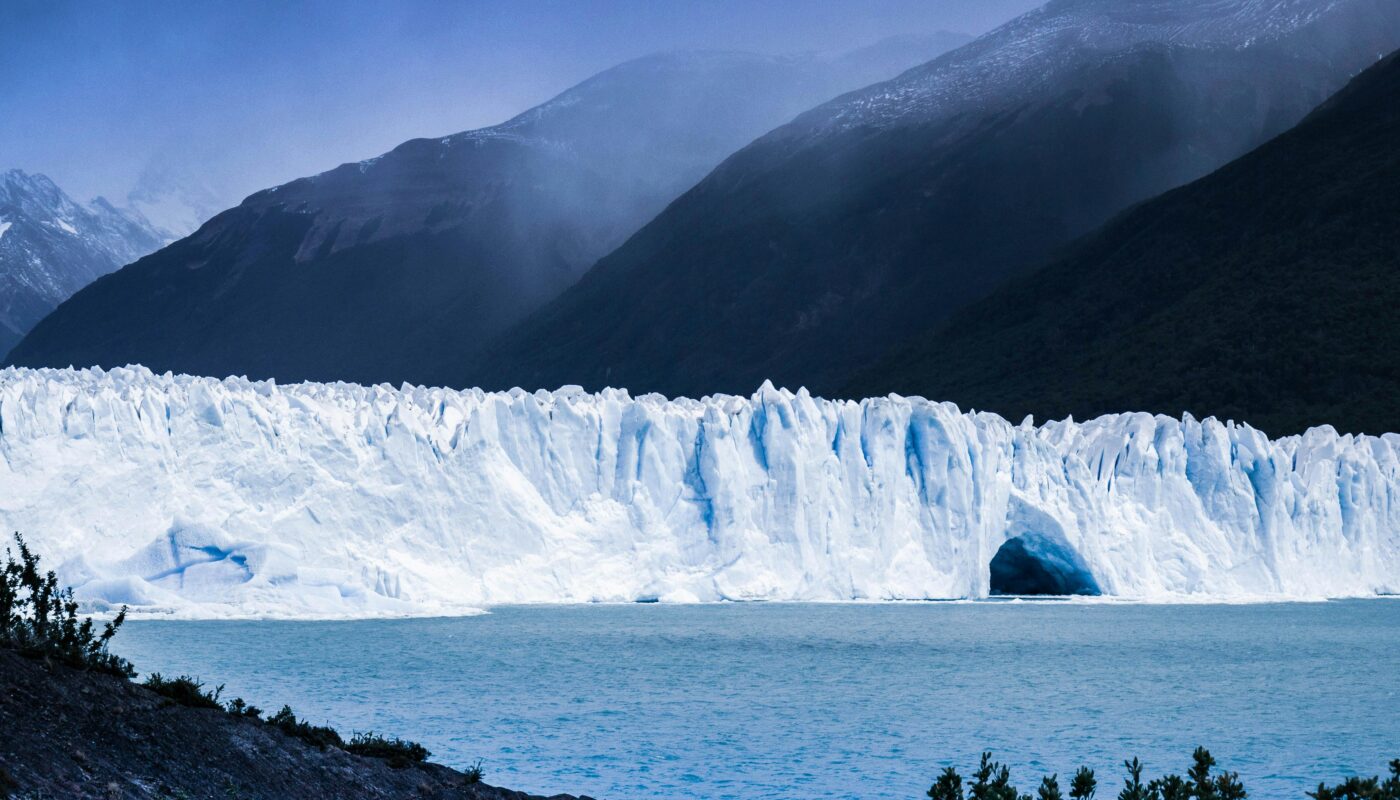
Patagonia
Patagonia’s steep mountain terrain creates dramatic hanging glaciers above fjords and valleys.
Alaska
Alaska contains extensive glacier systems where hanging glaciers regularly produce ice avalanches.
Are Hanging Glaciers Always Dangerous?
Not every hanging glacier poses immediate danger.
Some remain relatively stable for long periods depending on:
- Temperature conditions
- Slope angle
- Ice thickness
- Snow accumulation
- Geological support
However, all hanging glaciers contain inherent instability because of their steep position.
Mountain professionals treat them cautiously even when no obvious collapse signs exist.
Why Hanging Glaciers Fascinate Scientists
Beyond their dangers, hanging glaciers are scientifically important.
Researchers study them to better understand:
- Glacier dynamics
- Climate change impacts
- Mountain geology
- Ice movement behavior
- Avalanche risks
Because hanging glaciers respond quickly to temperature changes, they provide valuable information about environmental transformation in alpine regions.
The Emotional Power of Hanging Glaciers
Part of what makes hanging glaciers so captivating is the tension between beauty and danger.
They appear both graceful and threatening at the same time.
Travelers often feel awe when seeing enormous masses of blue-white ice suspended high above mountain valleys.
These glaciers remind people that mountain landscapes are not static. They are active, shifting environments shaped by powerful natural forces.
Safety Around Hanging Glaciers
Travelers visiting glacier regions should follow important safety guidelines.
Never Ignore Warning Signs
Restricted areas usually exist for good reason.
Avoid Standing Beneath Ice Cliffs
Icefall may occur suddenly.
Hire Experienced Guides
Guides understand local glacier behavior and terrain risks.
Stay Updated on Weather Conditions
Warm temperatures may increase collapse risk.
Respect Mountain Closures
Authorities occasionally close routes when glaciers become unstable.
The Future of Hanging Glaciers
Climate change is transforming mountain environments worldwide.
Many hanging glaciers are shrinking rapidly, while others are becoming increasingly unstable before eventual disappearance.
Scientists expect:
- More glacier collapses
- Increased avalanche risks
- Changing mountain hazards
- Altered water systems
- Greater monitoring efforts
Some glaciers may disappear entirely within future generations.
This makes hanging glaciers not only geological phenomena but also symbols of environmental change.
Final Thoughts
Hanging glaciers are among the most dramatic and dangerous forms of glacier ice found in mountain regions. Perched high above valleys and cliffs, they represent a delicate balance between gravity, temperature, snowfall, and geological stability.
Their beauty attracts hikers, climbers, photographers, and travelers from around the world. Yet beneath their stunning appearance lies real danger. Sudden ice collapse, avalanches, crevasses, and climate-related instability make hanging glaciers one of the most unpredictable features in alpine environments.
As global temperatures continue rising, understanding hanging glaciers becomes increasingly important. These frozen formations are not only natural wonders but also warning signs of how rapidly mountain ecosystems are changing.
For scientists, they provide valuable insight into climate processes. For travelers, they inspire awe and caution at the same time. And for the world as a whole, they stand as powerful reminders of nature’s beauty, fragility, and immense force.