 by
by At first thought, glaciers and oceans might seem like opposites—one frozen and motionless, the other fluid and teeming with movement. However, these two environments are more connected than they appear. In many parts of the world, glaciers play a crucial role in shaping marine ecosystems, especially where ice meets the sea.
So, do glaciers actually support marine life? The answer is yes—but in ways that are both subtle and powerful. From nourishing microscopic organisms to influencing entire food chains, glaciers contribute to ocean life in several important ways. At the same time, their rapid decline is beginning to reshape these ecosystems in ways scientists are still trying to understand.
The Link Between Glaciers and the Ocean
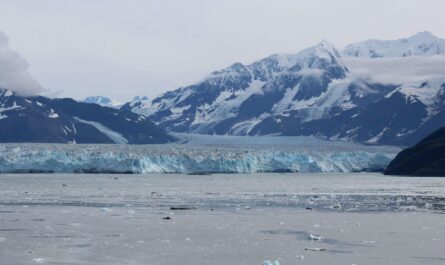
Glaciers are not just static bodies of ice. They are constantly moving, melting, and interacting with their surroundings. When glaciers reach the ocean—forming what are known as tidewater glaciers—they create a direct connection between land-based ice and marine environments.
As glaciers melt, they release a mix of freshwater, minerals, and organic material into nearby coastal waters. This process transforms the surrounding ocean into a dynamic and productive ecosystem, capable of supporting a wide range of life forms.
Nutrients: Feeding the Ocean from Ice
One of the most important contributions glaciers make to marine life is the delivery of nutrients.
As glaciers move across land, they grind down rock into extremely fine particles. When meltwater carries these particles into the sea, it brings with it valuable nutrients such as iron and other trace elements.
These nutrients are essential for the growth of phytoplankton—tiny, plant-like organisms that float near the ocean’s surface. Phytoplankton are incredibly important because they form the base of the marine food web. They also produce a significant portion of the oxygen we breathe.
In some parts of the ocean, nutrients like iron are scarce. In these areas, even a small amount delivered by glacial melt can stimulate large blooms of phytoplankton, setting off a chain reaction that supports life at all levels.
Supporting the Marine Food Chain
The influence of glaciers extends far beyond microscopic organisms.
Once phytoplankton populations increase, they become food for zooplankton—small drifting animals. These, in turn, are eaten by fish, which are then consumed by larger predators such as seabirds, seals, and whales.
This sequence shows how glaciers indirectly sustain entire ecosystems. Without the nutrients they provide, many of these food chains would be far less productive.
In regions where glaciers feed into coastal waters, marine life is often more abundant and diverse compared to areas without glacial influence.
Freshwater and Ocean Dynamics
Glacier melt doesn’t just deliver nutrients—it also adds large amounts of freshwater to the ocean. This freshwater plays a key role in shaping marine conditions.
When freshwater mixes with saltwater, it changes the density and structure of the ocean. Typically, freshwater forms a lighter layer on top of denser seawater. This layering can help keep nutrients and plankton closer to the sunlit surface, where photosynthesis can occur.
Additionally, the movement of freshwater can influence local currents, helping distribute nutrients across wider areas. This circulation supports productivity and ensures that marine organisms have access to the resources they need.
Fjords: Natural Hotspots of Marine Life
Glaciers are responsible for carving out fjords—deep, narrow inlets surrounded by steep cliffs. These unique environments are among the most biologically productive marine habitats on Earth.
Fjords often have:
- Calm, protected waters
- High nutrient levels
- Complex underwater landscapes
These conditions create ideal habitats for a wide variety of species. Fish, crustaceans, seabirds, and marine mammals all thrive in fjord ecosystems.
Because fjords are partially enclosed, nutrients delivered by glaciers tend to remain concentrated, further boosting productivity.
Organic Matter from Ancient Ice
Glaciers also release organic material that has been trapped in ice for centuries—or even thousands of years.
This material can include:
- Microscopic organisms
- Plant remnants
- Dust and particles
When released into the ocean, this organic matter becomes an additional source of energy for marine microbes. These microbes play a key role in recycling nutrients and maintaining the balance of marine ecosystems.
Life Within the Ice
It may seem surprising, but glaciers themselves can host life.
Tiny organisms such as bacteria and algae are able to survive in extreme cold conditions within the ice. These microorganisms form small ecosystems that exist on and within glaciers.
When the ice melts, these organisms are released into the ocean, where they can contribute to nutrient cycles and even influence marine biodiversity.
Supporting Larger Marine Animals
The effects of glaciers ripple up through the food web, ultimately supporting larger animals.
Areas influenced by glacial melt often attract:
- Fish schools
- Seabird colonies
- Marine mammals like seals and whales
These animals are drawn to regions where food is abundant, which is often the case in glacier-fed waters. In this way, glaciers indirectly help sustain some of the most visible and iconic forms of marine life.
Sediment Plumes and Their Role
Glacial meltwater often appears cloudy because it carries fine sediments. While this might look unappealing, these sediment plumes play an important ecological role.
They can:
- Transport nutrients into coastal areas
- Influence how light penetrates the water
- Provide shelter for smaller organisms by reducing visibility
In some cases, murky waters can actually benefit marine life by creating safer conditions for feeding and growth.
The Impact of Climate Change
Although glaciers currently support marine ecosystems, their rapid decline is creating new challenges.
As global temperatures rise, glaciers are melting faster than ever before. This has several consequences for marine life.
Changing Nutrient Supply
In the short term, increased melting can boost nutrient flow into the ocean. However, as glaciers shrink, the long-term supply of nutrients may decrease.
In addition, the quality of these nutrients can change, making them less useful for supporting phytoplankton growth.
Disrupting Marine Ecosystems
As glaciers disappear, the systems they support begin to change. Possible impacts include:
- Reduced productivity in coastal waters
- Declining fish populations
- Changes in species distribution
- Altered ocean chemistry
Because marine ecosystems are interconnected, even small disruptions at the base of the food chain can have widespread effects.
A Temporary Surge Followed by Decline
Interestingly, glacier loss doesn’t immediately lead to reduced marine life.
In many cases, there is an initial increase in productivity due to higher melt rates. However, this is often followed by a decline once the glacier has significantly retreated or vanished.
This pattern highlights the complex and transitional nature of glacier-influenced ecosystems.
Why This Relationship Matters
The connection between glaciers and marine life is not just a local phenomenon—it has global significance.
Marine ecosystems supported by glaciers contribute to:
- Global fish supplies
- Carbon storage
- Oxygen production
- Climate regulation
As glaciers continue to shrink, these contributions may be affected, with potential consequences for both nature and human societies.
Conclusion: A Delicate Balance Between Ice and Life
Glaciers are far more than frozen landscapes—they are active participants in Earth’s ecological systems. By delivering nutrients, shaping habitats, and influencing ocean conditions, they play a vital role in supporting marine life.
From microscopic plankton to large marine mammals, countless organisms depend—directly or indirectly—on the processes driven by glaciers.
However, this connection is under threat. As glaciers retreat, the balance they help maintain is beginning to shift. Understanding this relationship is essential for protecting marine ecosystems and ensuring their resilience in a changing world.