 by
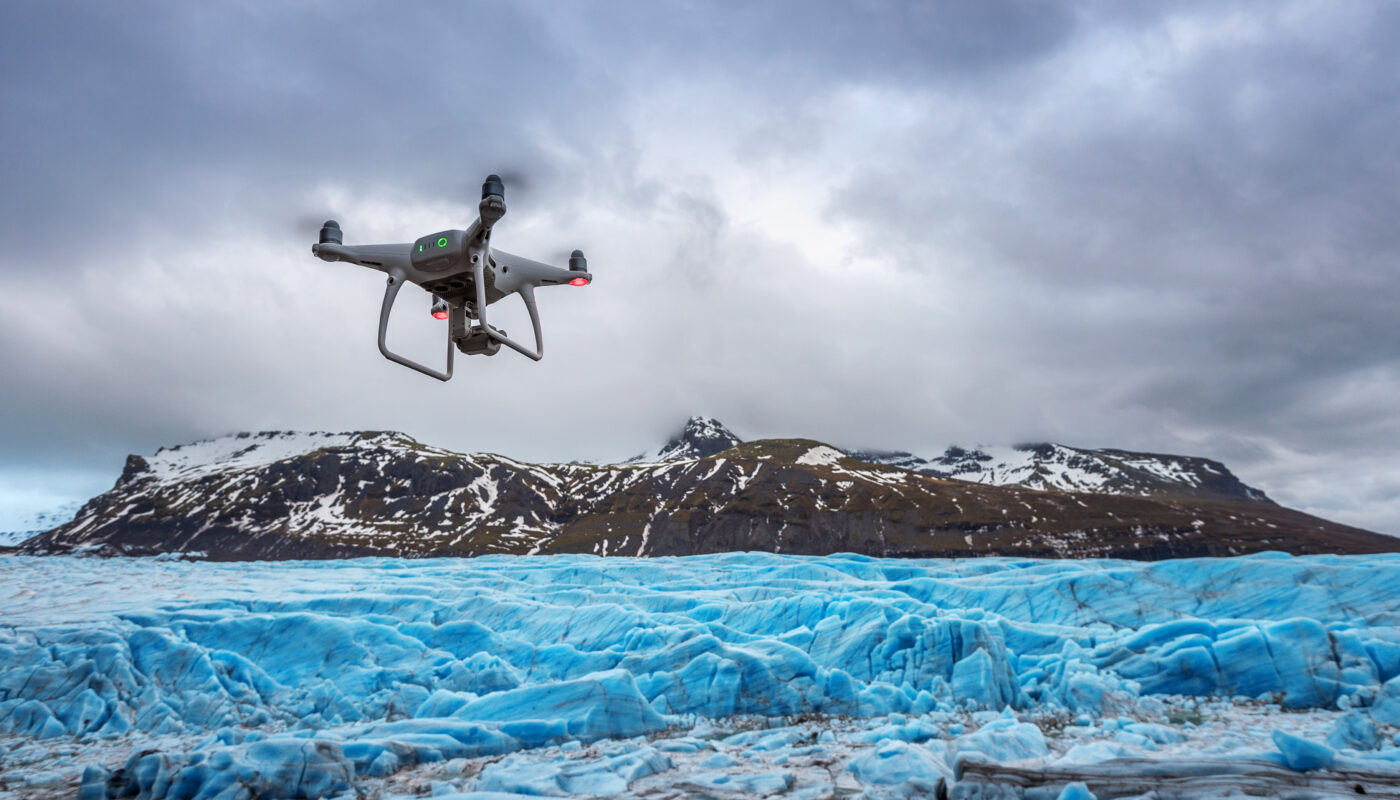
by Glaciers are among the most sensitive and scientifically important environments on Earth. These vast rivers of ice, found in polar regions and high mountain ranges, preserve centuries of climate history within their frozen layers. As climate change accelerates glacier melt, researchers are increasingly turning to drones to study and monitor these remote landscapes.
Unmanned aerial vehicles (UAVs) have transformed glaciology by making it possible to collect high-resolution imagery, map ice movement, and observe dangerous terrain without putting human lives at risk. However, the growing presence of drones in glacier environments has also sparked serious ethical concerns. These concerns go beyond technology—they touch on environmental protection, wildlife welfare, safety, privacy, and the responsible use of fragile natural spaces.
This article explores the ethical dimensions of drone use around glaciers and why responsible practices are essential for balancing innovation with preservation.
Why Drones Are Becoming Essential in Glacier Research
Studying glaciers in person is extremely challenging. Crevasses, unstable ice surfaces, freezing temperatures, and remote locations make traditional fieldwork both dangerous and expensive. Drones offer a practical alternative by allowing scientists to gather detailed data from the air.
Modern drone technology is now widely used to:
- Capture detailed aerial images of glacier surfaces
- Track melting patterns and ice movement over time
- Map crevasses, melt channels, and ice formations
- Access regions that are otherwise unreachable by foot
In some advanced research projects, drones are even used to place lightweight sensors directly onto glacier surfaces, enabling continuous environmental monitoring in real time.
While these capabilities have revolutionized climate science, they also raise important questions about how and when such technology should be used.
Environmental Concerns: Are Glaciers Being Disturbed?
At first glance, glaciers may appear lifeless and resilient. In reality, they are part of delicate ecosystems that include microbial life, surrounding alpine vegetation, and interconnected water systems downstream.
Although drones are far less invasive than helicopters or ground vehicles, they are not completely impact-free.
Potential environmental risks include:
1. Noise Disturbance
Drone motors produce sound that can travel across open ice fields and potentially disturb wildlife in surrounding areas.
2. Airflow Effects
Close-range drone flights may create minor air turbulence, which could affect loose snow or fragile surface formations.
3. Repeated Exposure
A single drone flight has minimal impact, but repeated use by multiple research teams or tourists may contribute to cumulative environmental stress.
Scientific discussions around UAV use in glacial regions emphasize the importance of minimizing ecological disturbance, even when the direct impact seems small.
Wildlife Disruption in Alpine and Polar Regions
Glacier regions are often connected to habitats of wildlife such as mountain birds, goats, and Arctic species. These animals are highly sensitive to environmental changes and human interference.
Drone activity can potentially:
- Cause animals to avoid nesting or feeding zones
- Trigger stress responses or defensive behavior
- Disrupt migration routes or seasonal patterns
Even short-term disturbances can have long-lasting consequences in ecosystems where survival depends on stable conditions and limited resources.
From an ethical perspective, this raises an important question:
Should scientific convenience ever outweigh the behavioral stability of wildlife?
Responsible drone operation requires careful planning to reduce these risks, including maintaining distance from wildlife and limiting flight frequency.
Scientific Value vs Ethical Responsibility
There is no doubt that drones have significantly improved glacier research. They allow scientists to study remote and dangerous areas more safely and efficiently than ever before.
Drones help researchers:
- Measure glacier retreat with high precision
- Improve predictions of sea-level rise
- Document previously inaccessible ice formations
These contributions are especially important as glaciers around the world continue to shrink due to global warming.
However, ethical science must always balance benefit with responsibility. Just because technology can be used does not mean it should be used without limits.
The key ethical challenge lies in finding the right balance between:
- Advancing scientific understanding
- Preserving fragile natural environments
Privacy Concerns in Remote Glacier Regions
Although glaciers are remote, they are not entirely uninhabited. Researchers, hikers, climbers, and indigenous communities may all be present in or near these areas.
Drones can unintentionally capture:
- Images of individuals in isolated environments
- Temporary camps or research stations
- Private or sensitive activities
This raises concerns about consent and privacy, even in wilderness settings. Ethical drone use requires respecting the presence of people in these landscapes and ensuring that data collection does not unnecessarily intrude on their activities.
Best practices include:
- Avoiding unnecessary filming of individuals
- Securing and responsibly managing collected footage
- Following local privacy regulations and research permits
Safety Challenges in Extreme Conditions
Glacier environments are unpredictable and often dangerous. Strong winds, low temperatures, and unstable terrain make drone operations more complicated than in typical environments.
Key safety concerns include:
1. Drone Crashes
A malfunctioning drone can crash into crevasses or ice fields, potentially leaving behind non-biodegradable debris.
2. Interference with Fieldwork
Glacier research often involves coordinated teams on the ground. Poorly planned drone flights may interfere with measurements or safety operations.
3. Cold Weather Performance Issues
Low temperatures can reduce battery efficiency and affect flight stability, increasing the risk of failure.
These risks highlight the importance of strict operational protocols and well-trained pilots when using drones in glacier environments.
The Problem of Regulation and Enforcement
One of the most complex ethical issues is the lack of consistent global regulation governing drone use in glacier regions.
These areas often span:
- National parks and protected reserves
- International territories
- Remote mountain regions across multiple countries
Rules regarding drone usage vary widely. Some regions require permits and environmental assessments, while others have limited enforcement capabilities due to their remoteness.
In highly sensitive regions like polar environments, stricter regulations are often applied to minimize ecological disruption. However, enforcement remains difficult, especially as drone technology becomes more accessible to the public.
This raises a broader ethical question:
Should global standards for drone use in fragile ecosystems be strengthened?
Tourism vs Scientific Drone Use
Another growing concern is the difference between scientific and recreational drone usage.
Scientific Use:
- Focused on climate research and environmental monitoring
- Typically regulated and peer-reviewed
- Aims to contribute to long-term environmental knowledge
Recreational Use:
- Primarily for photography or personal enjoyment
- Often less regulated
- Can increase drone traffic in sensitive areas
While individual recreational flights may seem harmless, the combined effect of many drones in a single area can increase disturbance to wildlife and reduce the natural quietness of the environment.
As a result, some protected glacier regions are beginning to restrict or ban recreational drone use entirely.
Ethical Guidelines for Responsible Drone Use
To ensure drones are used responsibly around glaciers, several ethical principles should guide their operation:
1. Do No Harm
Flights should be planned to minimize environmental and wildlife disturbance.
2. Necessity Principle
Drones should only be used when no less invasive method can achieve the same scientific goal.
3. Respect for Ecosystems
Operators should avoid sensitive zones such as nesting areas or unstable ice formations.
4. Transparency in Research
Data collection methods should be documented and shared responsibly when possible.
5. Compliance with Regulations
All local, national, and international rules must be followed strictly.
These principles help ensure that technological progress does not come at the cost of environmental integrity.
The Future of Drone Use in Glacier Environments
As drone technology continues to evolve, new innovations may help reduce ethical concerns. Future developments could include:
- Quieter drone designs
- Improved cold-weather battery systems
- AI-assisted flight paths to avoid sensitive areas
- Autonomous monitoring systems with minimal disturbance
Researchers are already using drones in advanced ways, such as deploying sensors directly onto glaciers for long-term climate tracking.
However, as capability increases, so does responsibility. Ethical frameworks must evolve alongside technology to ensure that innovation remains sustainable and environmentally conscious.
Conclusion
Drones have become powerful tools for understanding glaciers and the rapid changes affecting them. They provide scientists with access to dangerous and remote environments, helping improve climate research and environmental forecasting.
Yet, this technological advantage comes with responsibility. Glaciers are not empty landscapes—they are fragile systems that support wildlife, scientific value, and natural heritage. Drone use in these areas must therefore be carefully managed to avoid unnecessary disturbance.
The ethical question is not whether drones should exist in glacier research, but how they should be used wisely, respectfully, and sustainably.
When guided by strong ethical principles and responsible regulation, drones can continue to support critical scientific discovery without compromising the delicate environments they help us study.